Measured World #1: THE SONG OF THE DRONES
A meditation.
THEATER AM WERK at Kabelwerk, September 2026
Concept / Space / Text / Sound / Performance: Otmar Wagner
Cutman / Operator / Oszi / Sound: Michael Strohmann
Sparring: Johannes Maile
Production manager: Partner In Crime, Julia Neuwirth
In co-production with Theater am Werk and with the kind support of the City of Vienna’s Department of Culture
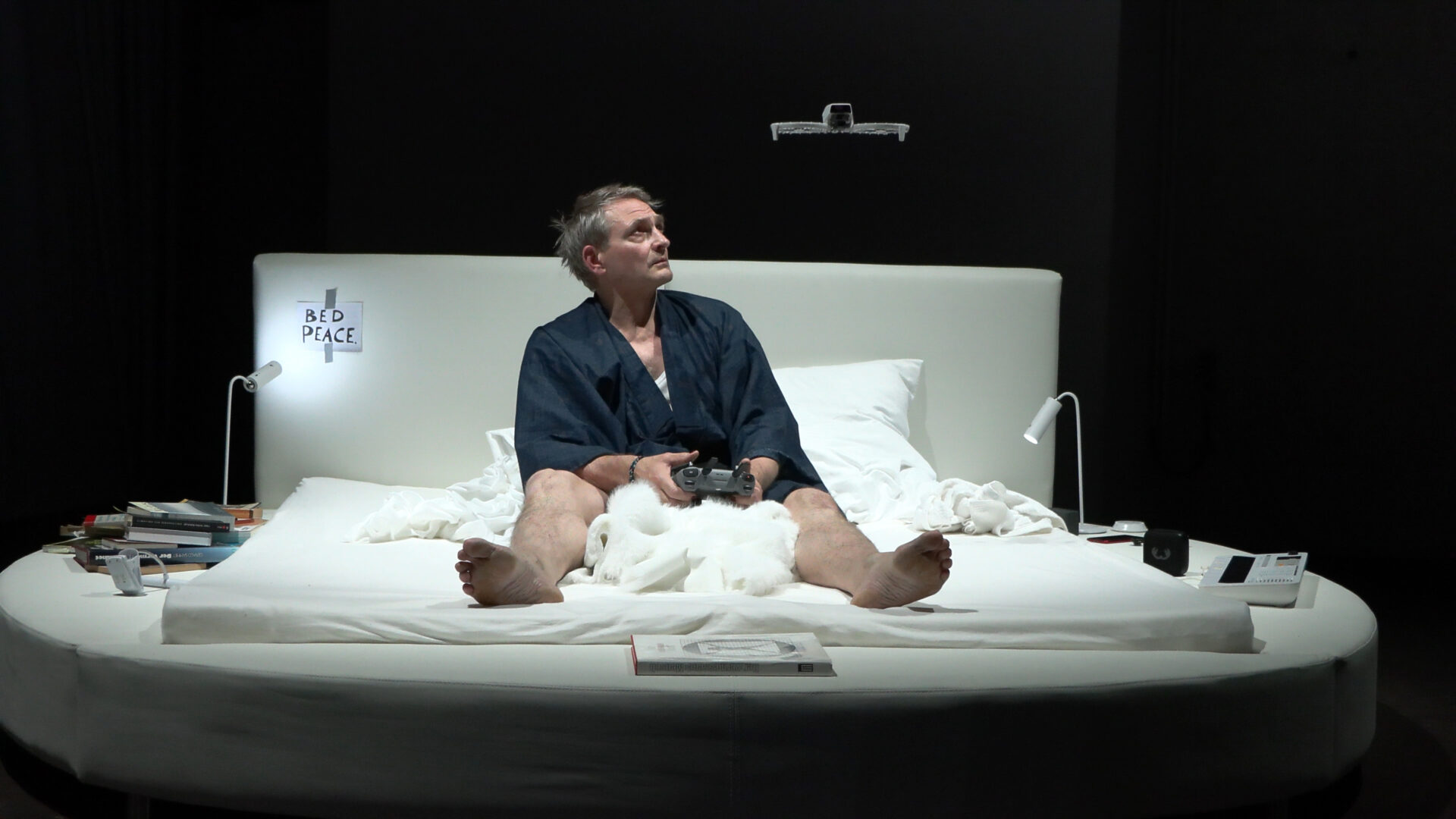
Imagine a raft drifting aimlessly on a river of shit, beauty and money, floating into a completely polluted sea. Imagine there is a person on the raft, stuffing wax into his ears to protect his hollow organs, whilst struggling with his vertigo and his balance. Imagine that this person is not alone, because you are part of the crew. Together you are drifting along, with stray otoliths in your ears.
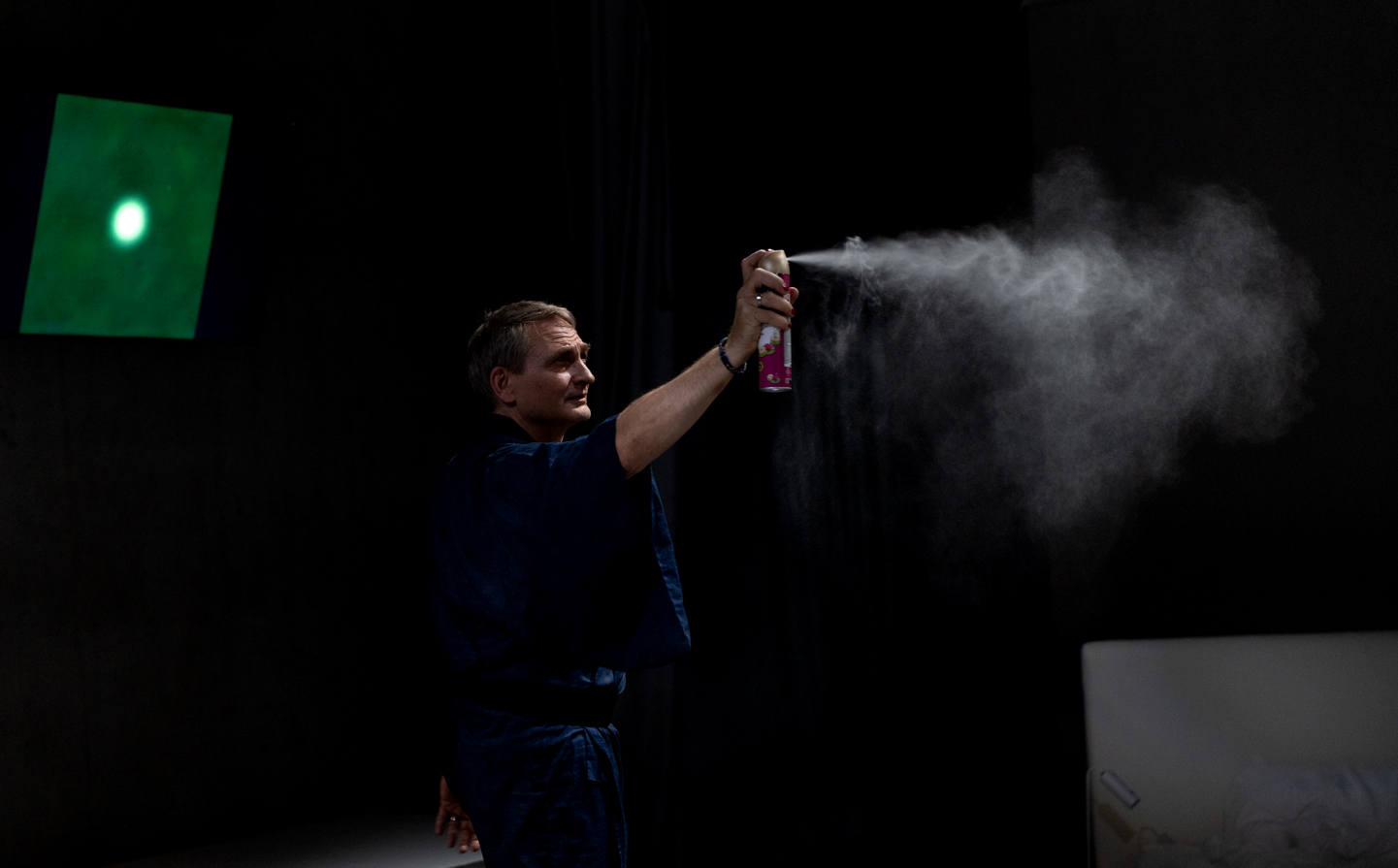
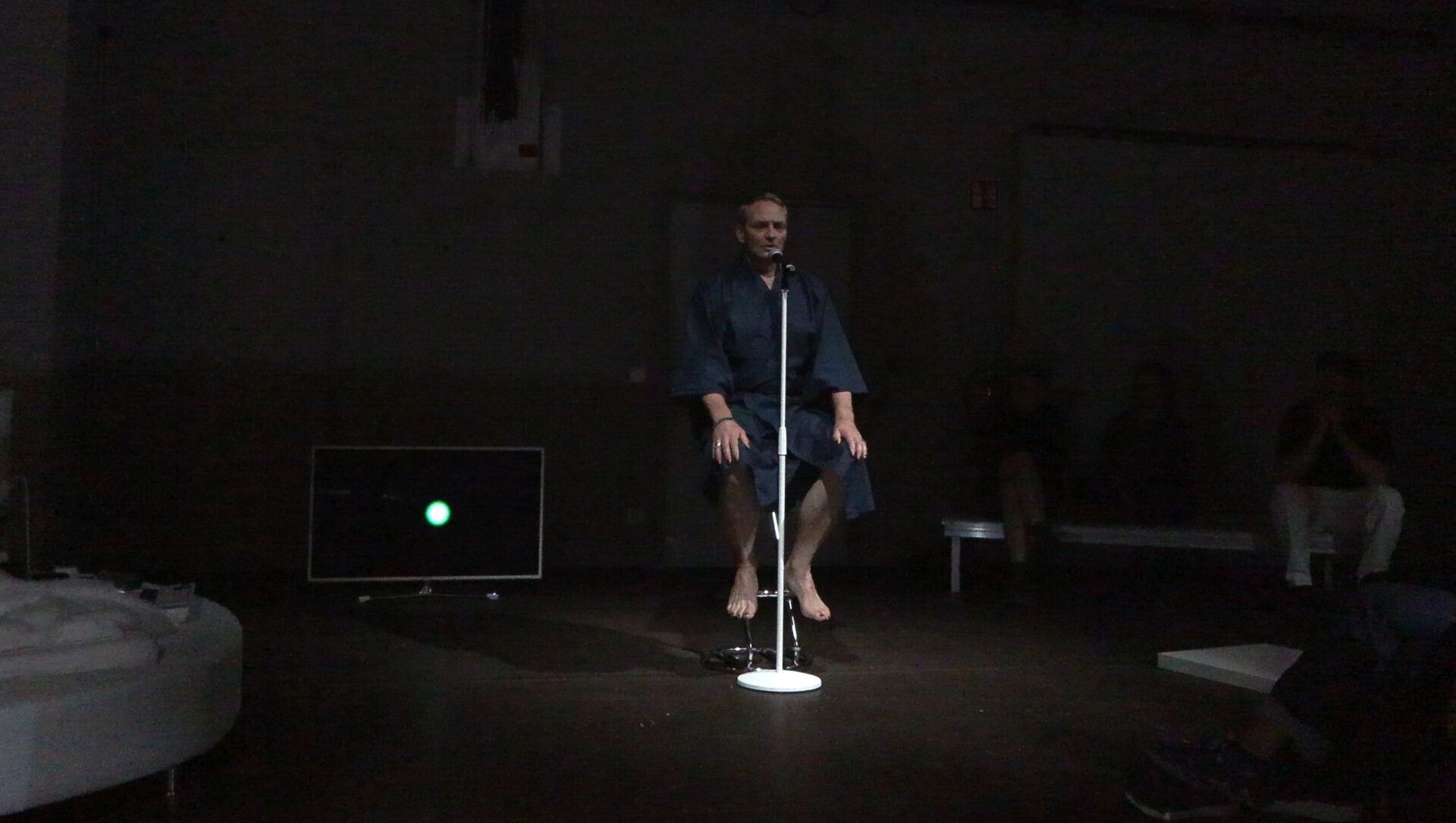
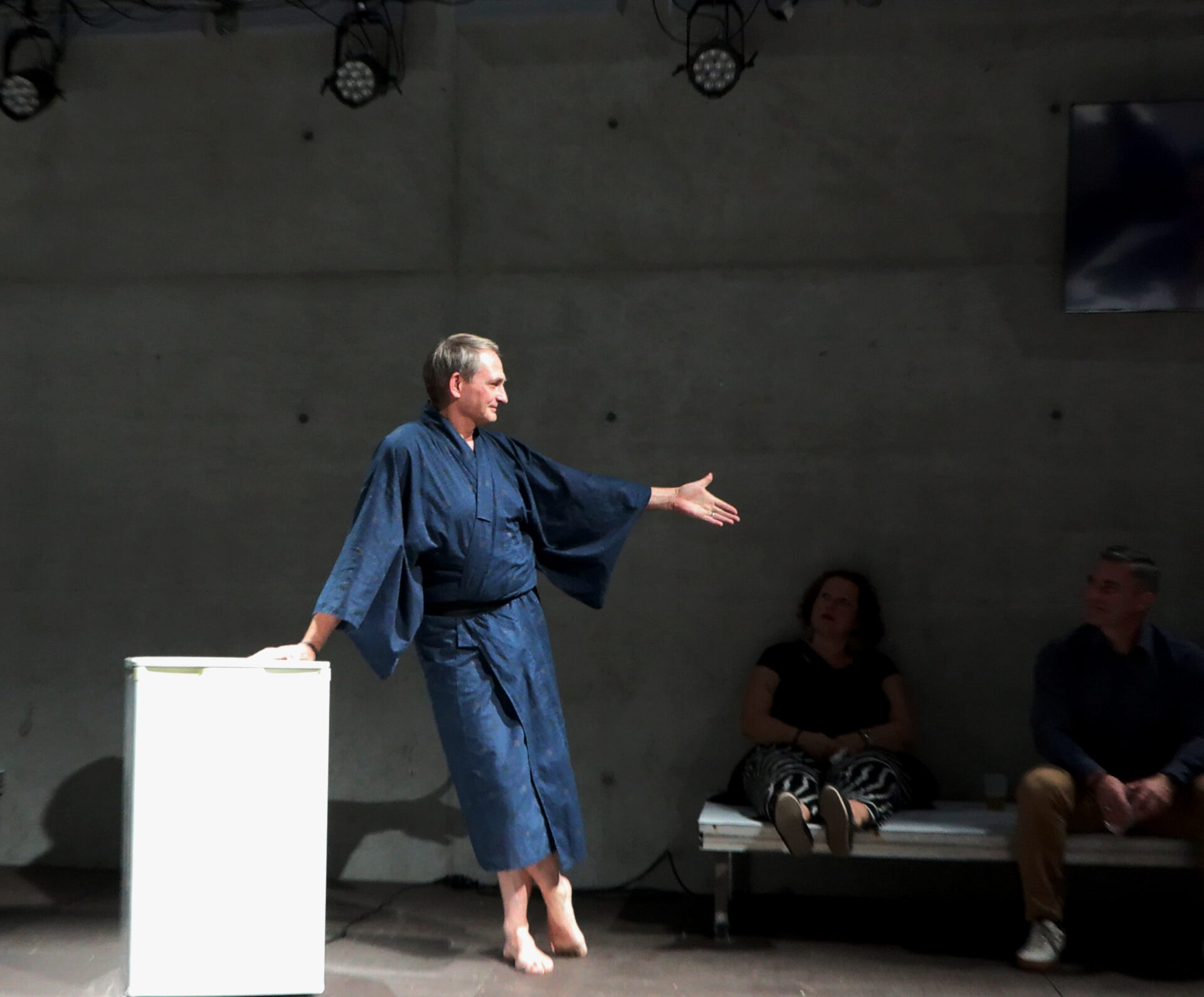
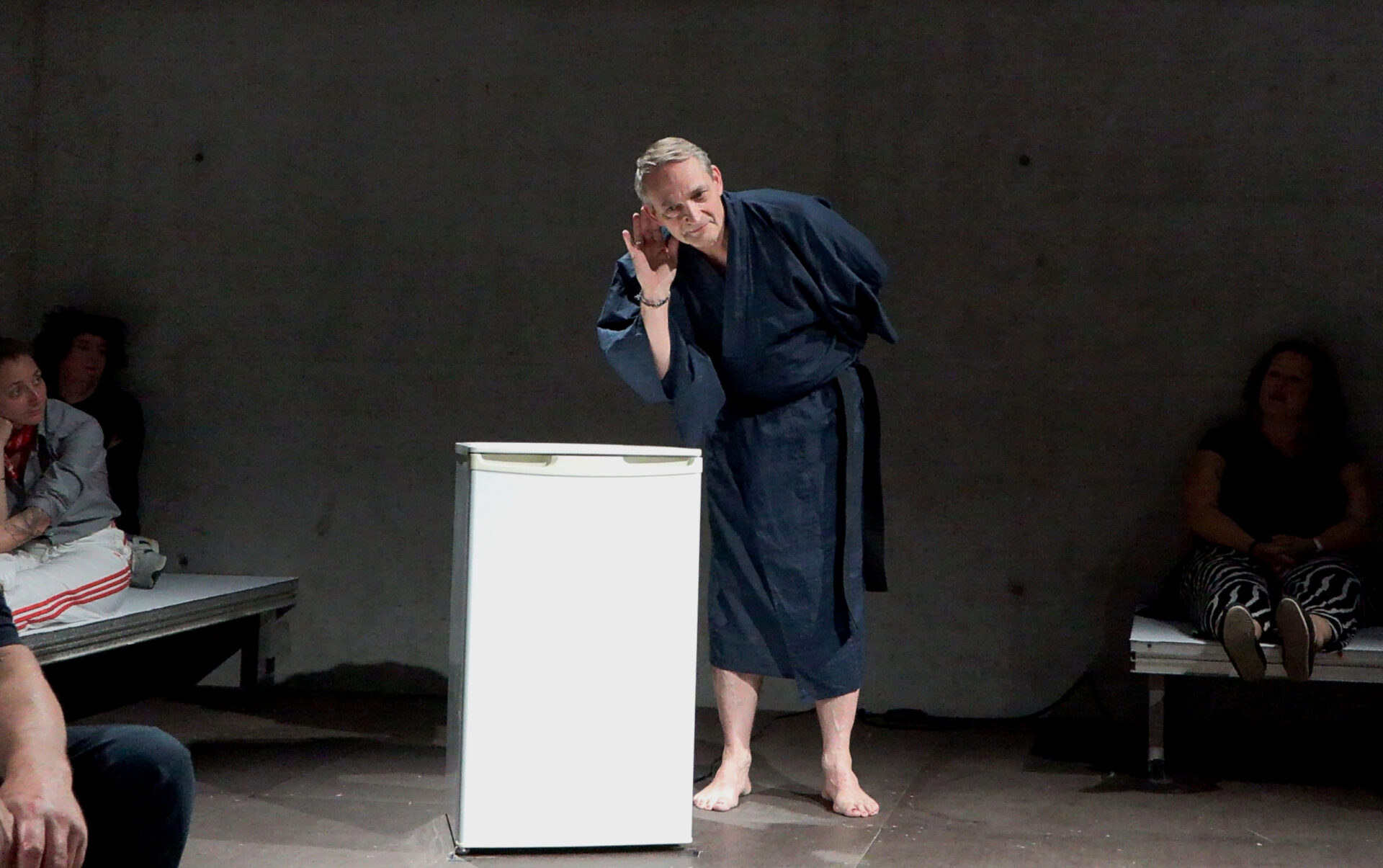
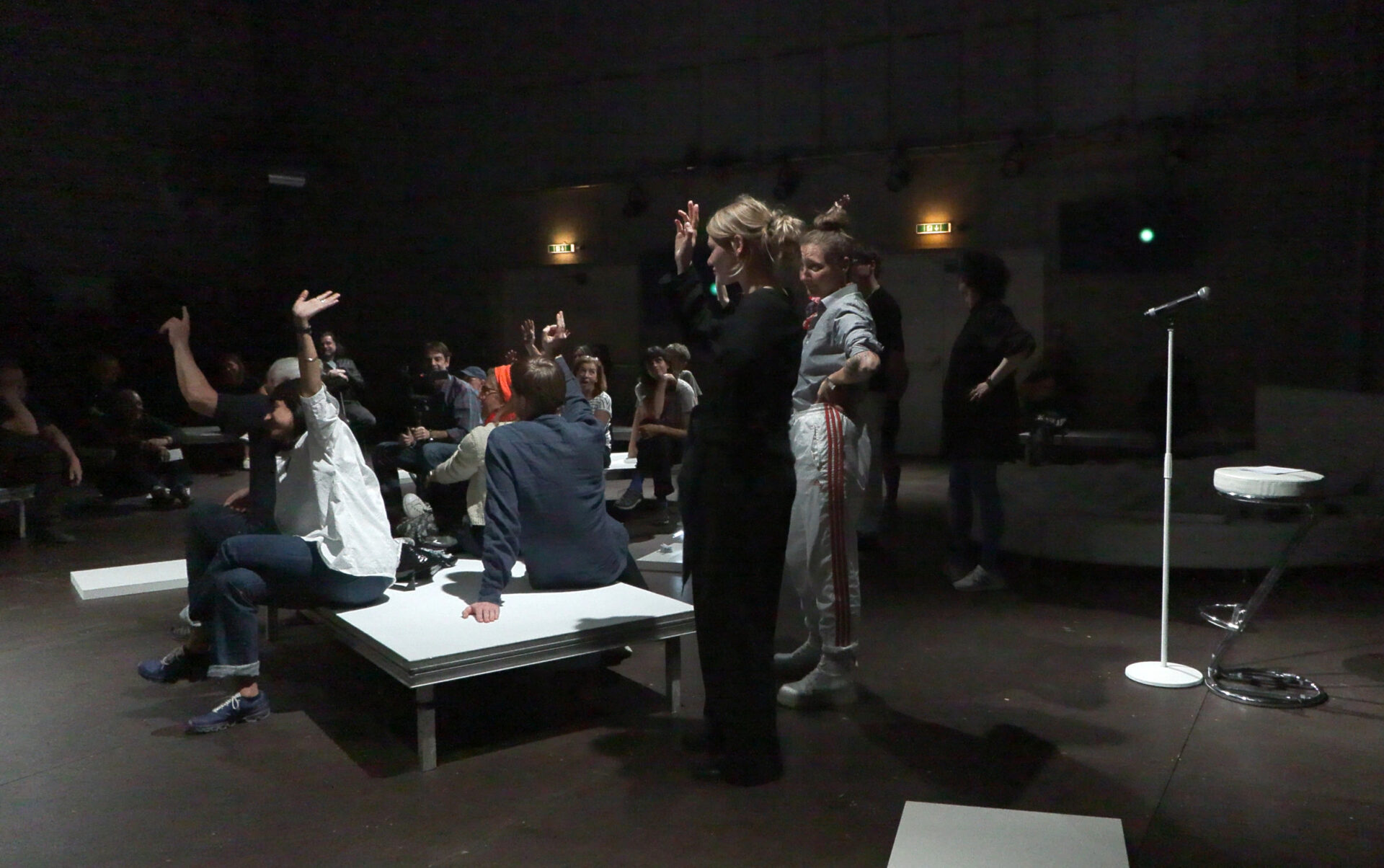
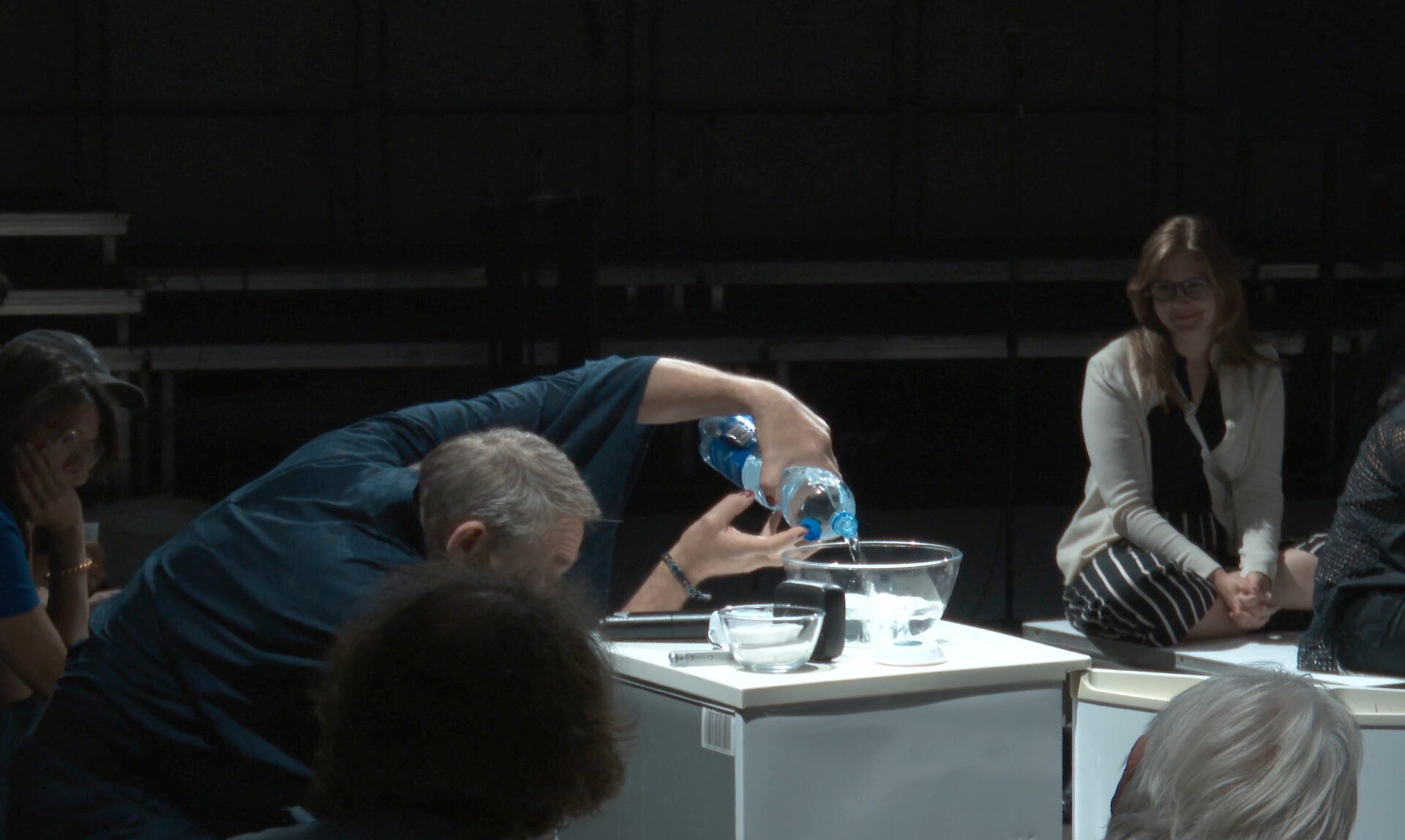
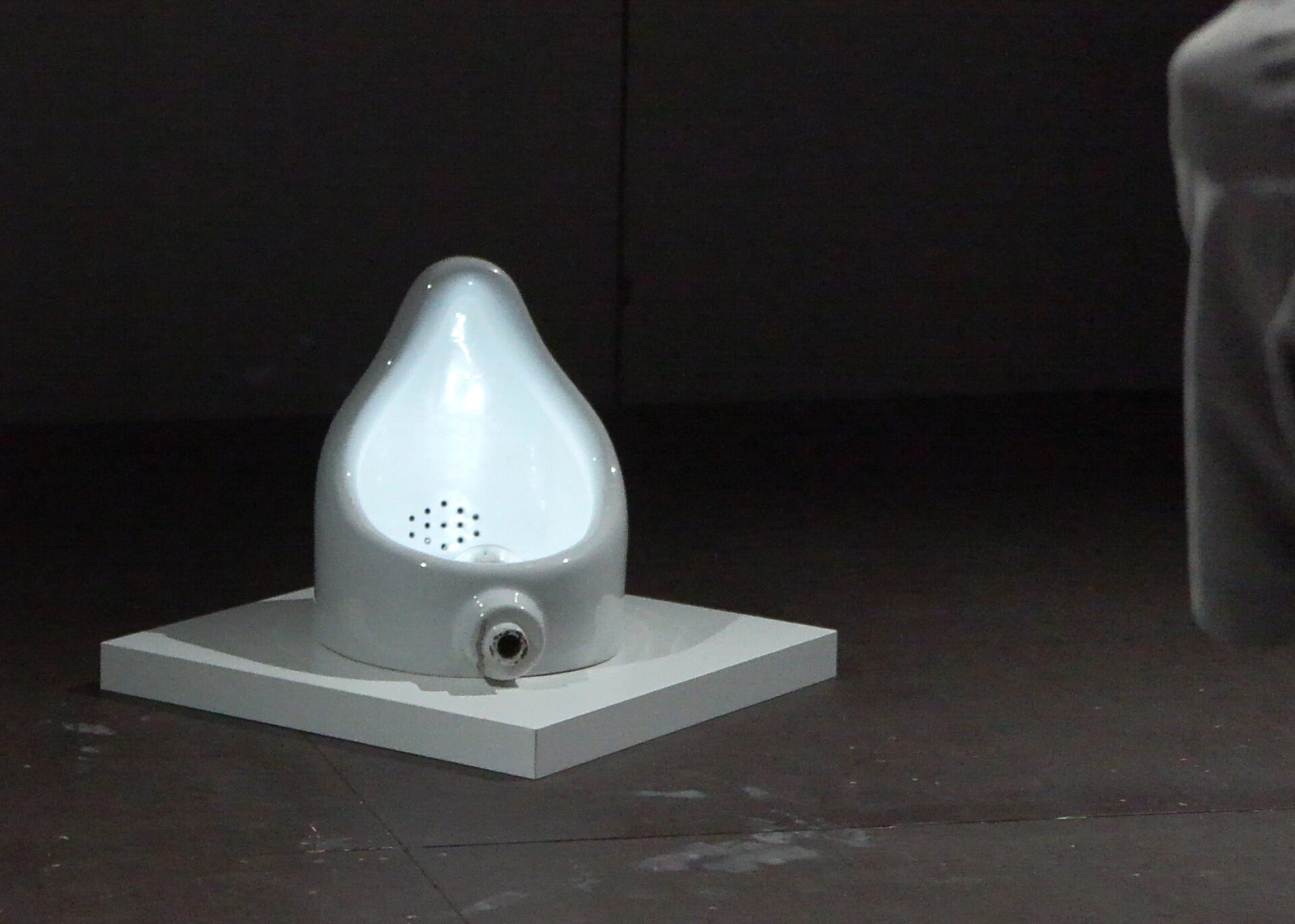
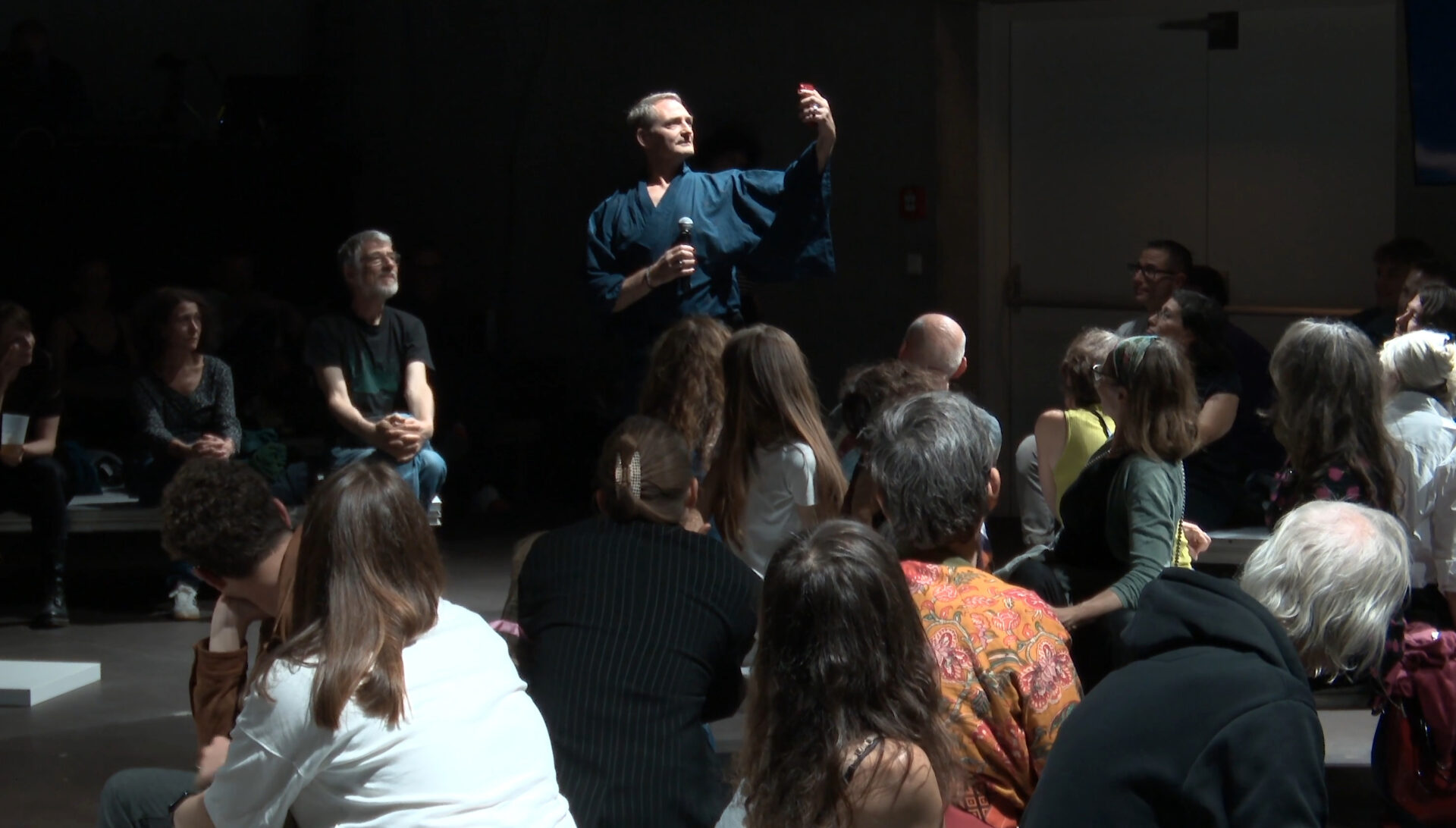
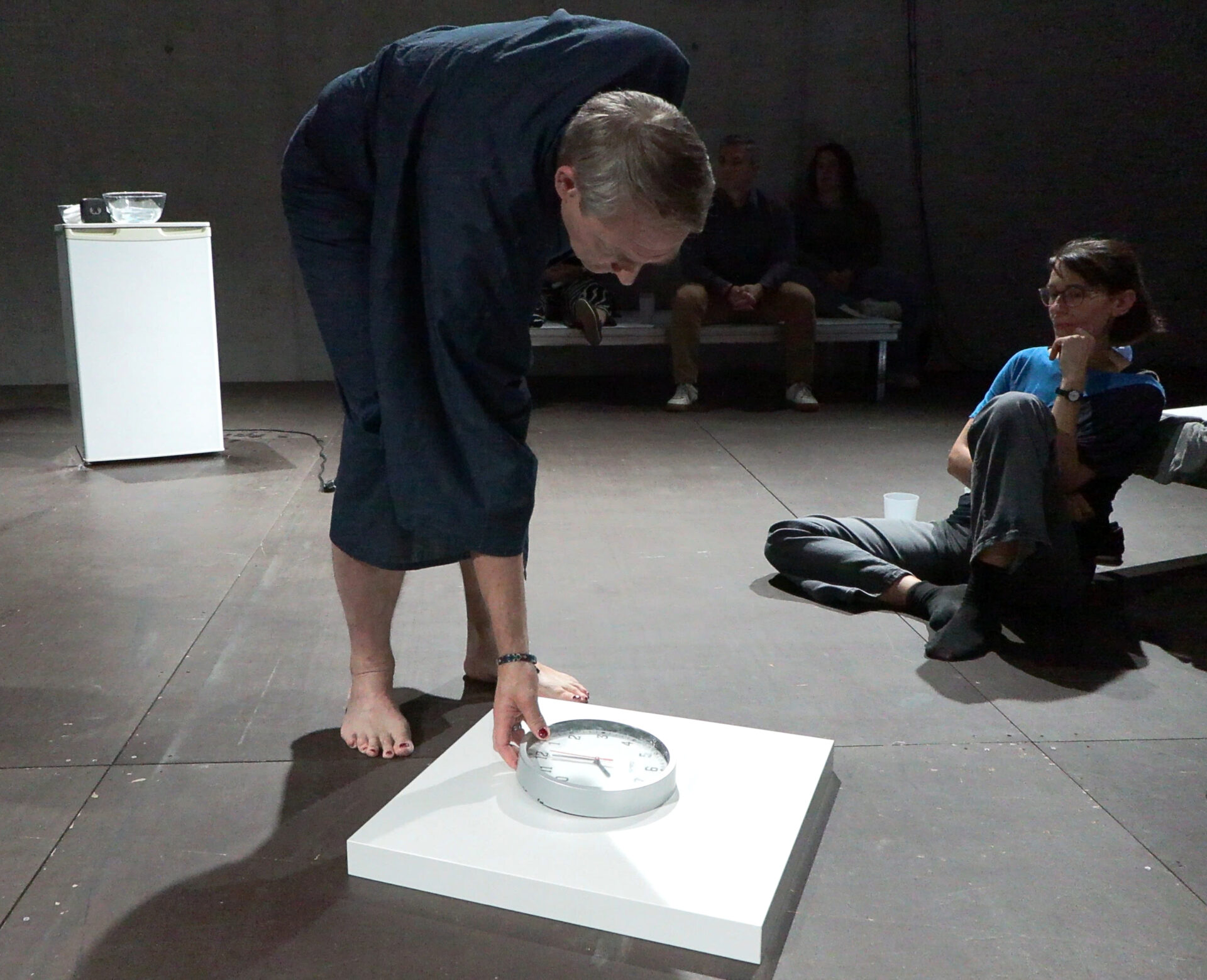
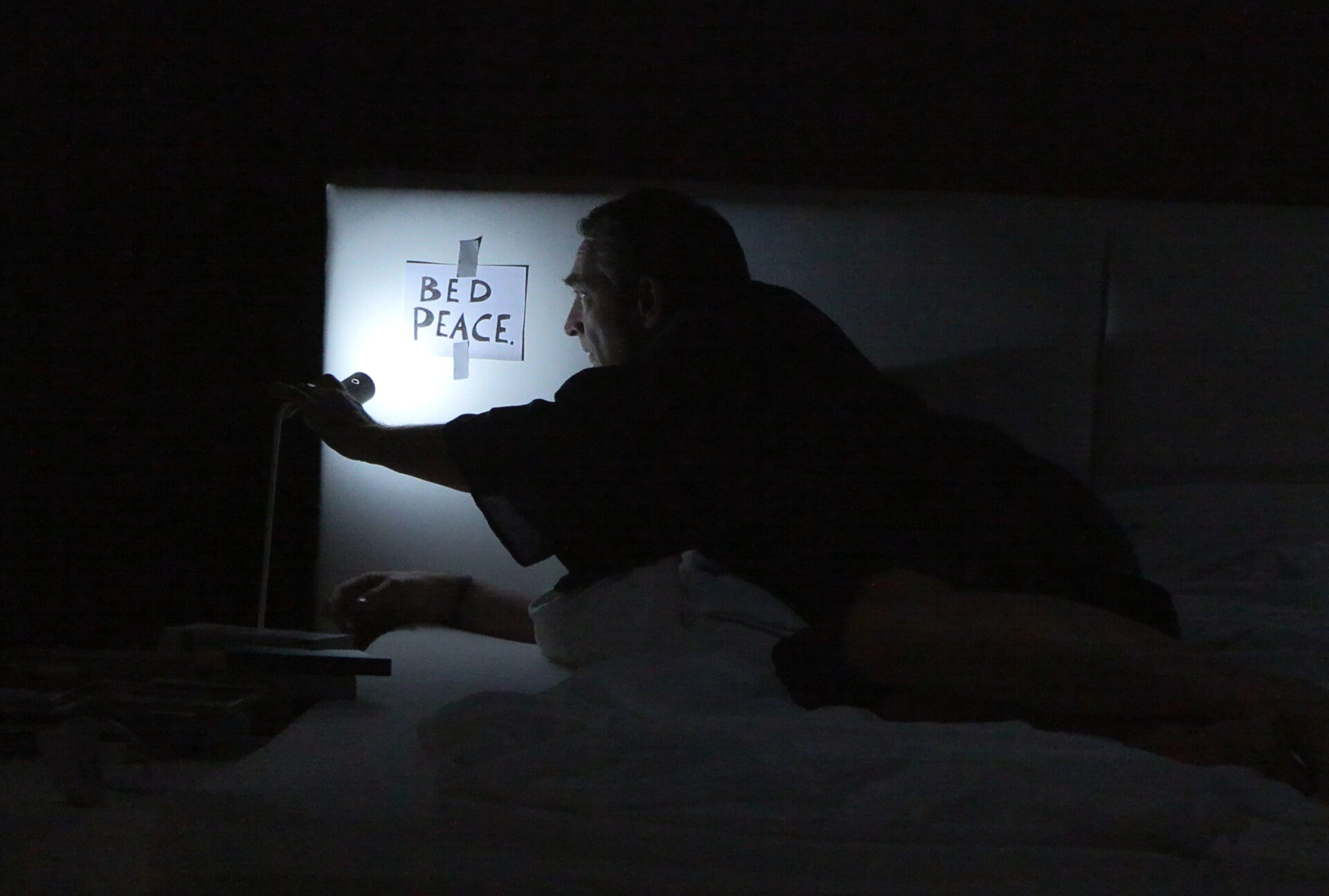
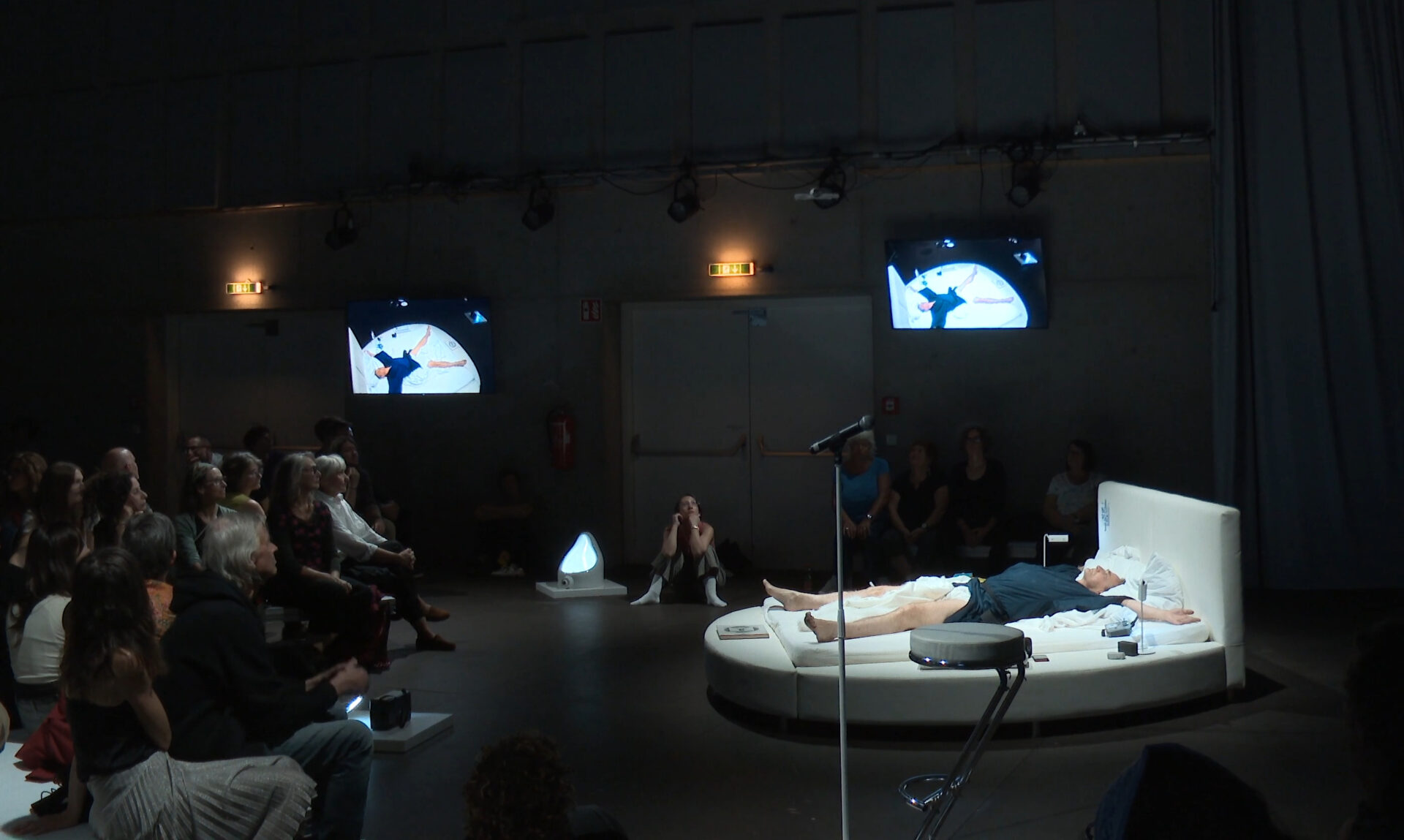
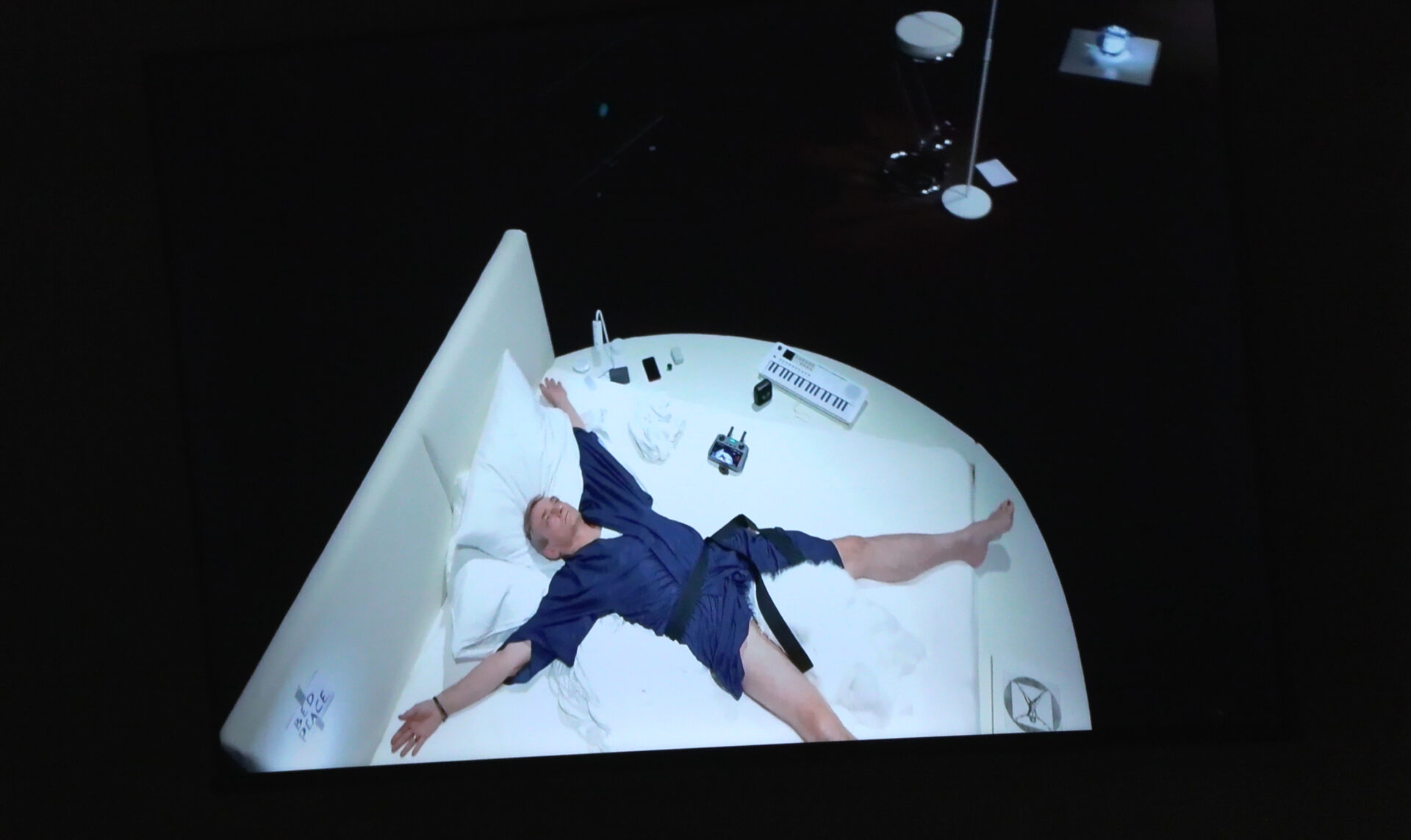
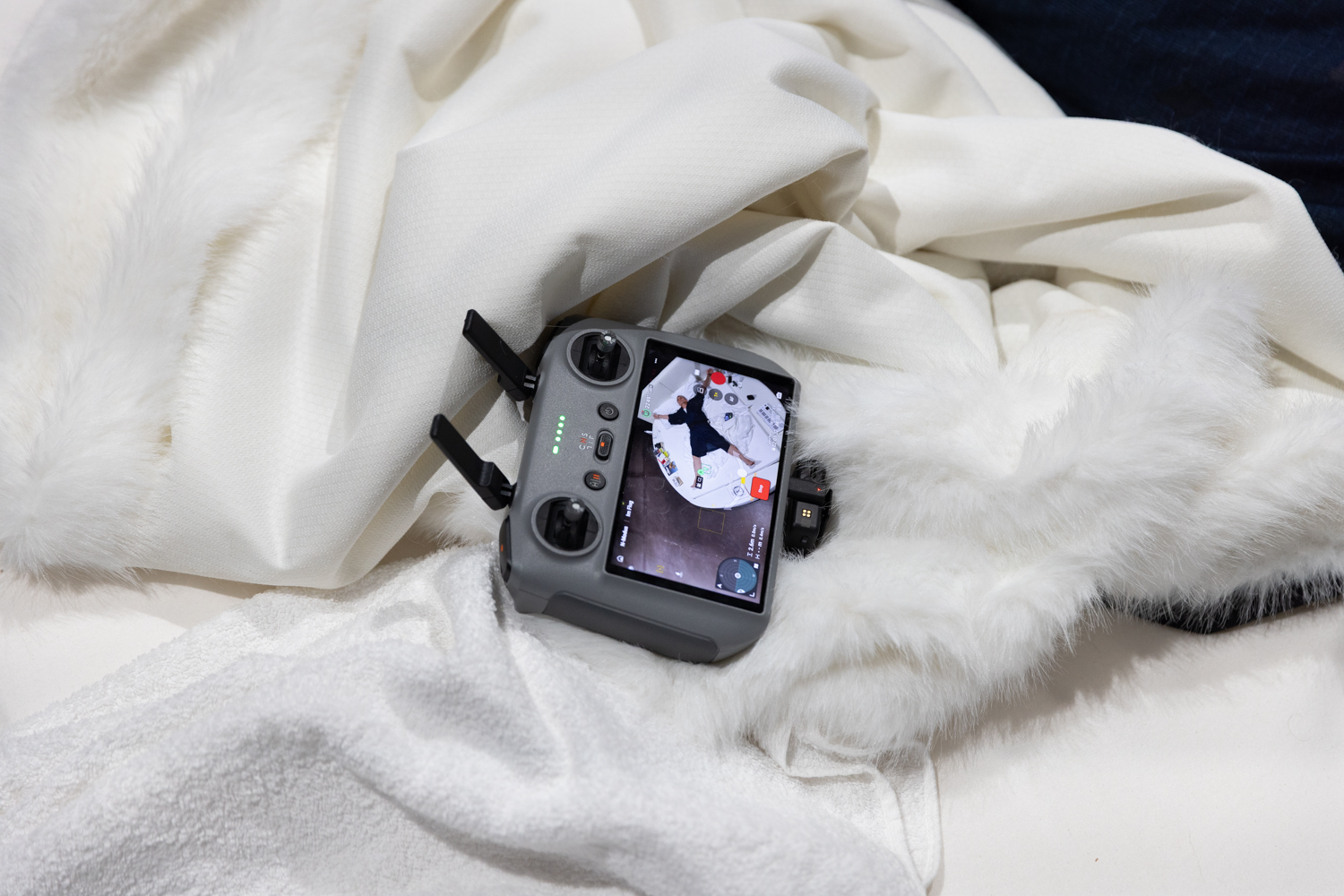
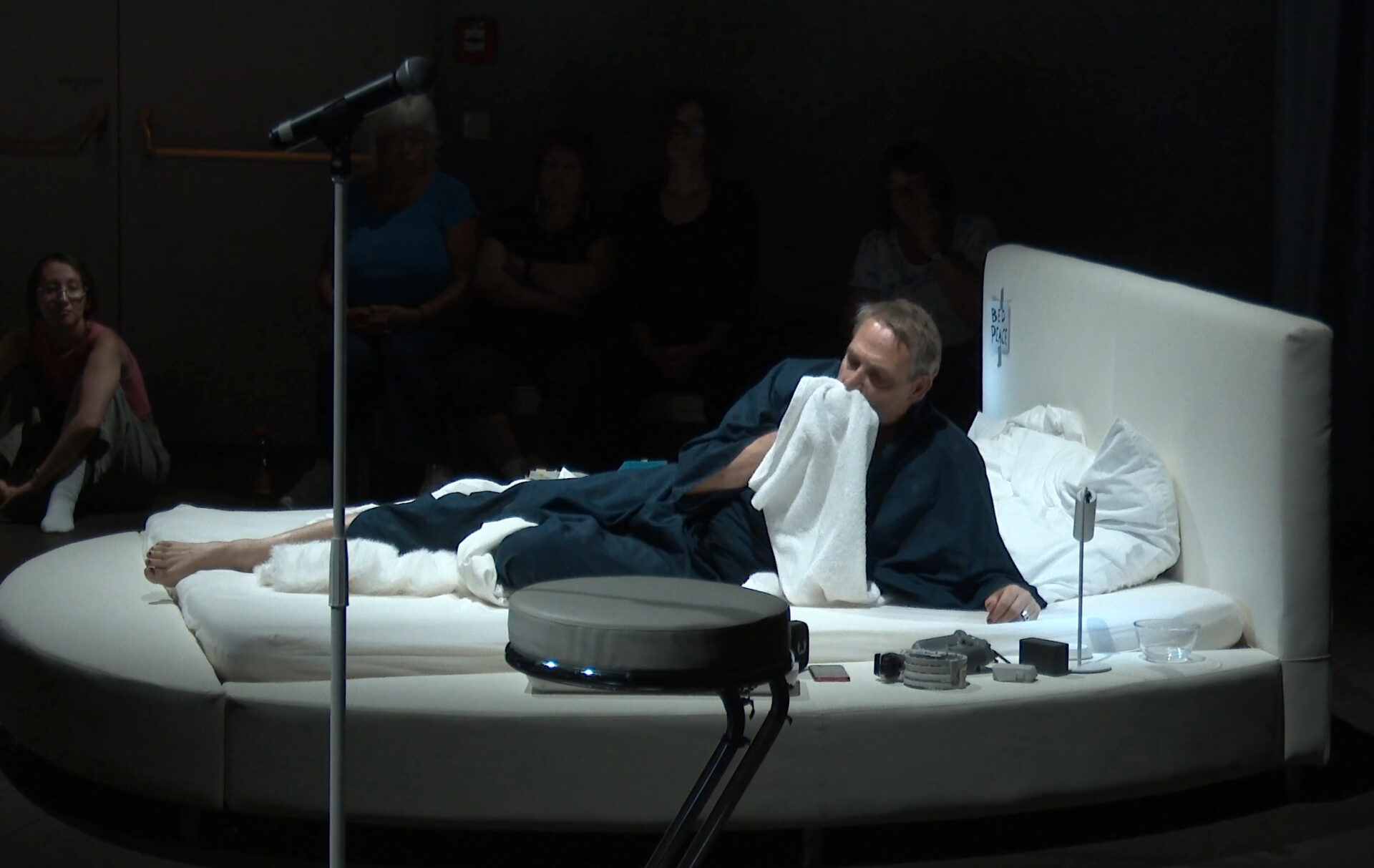
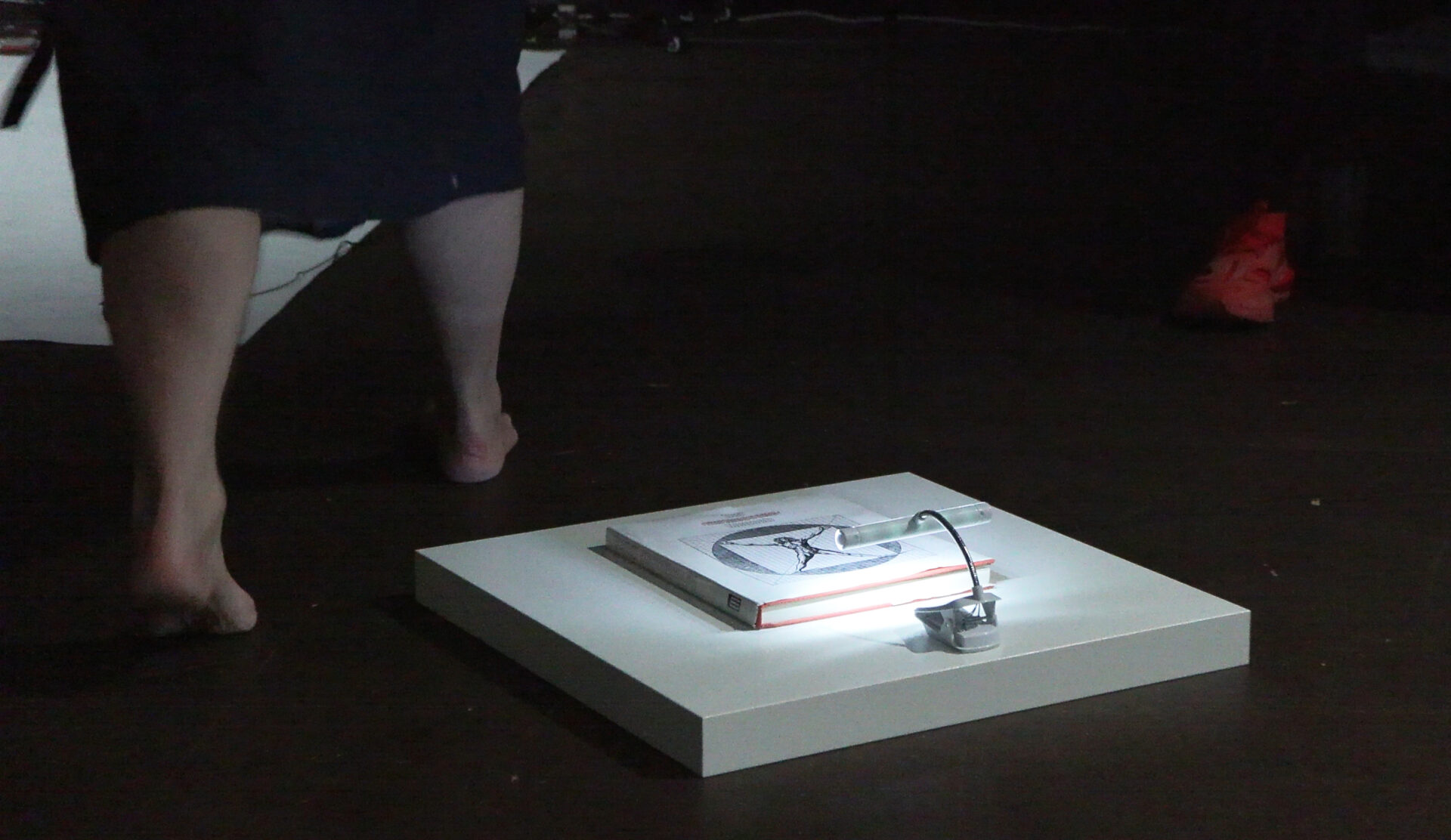
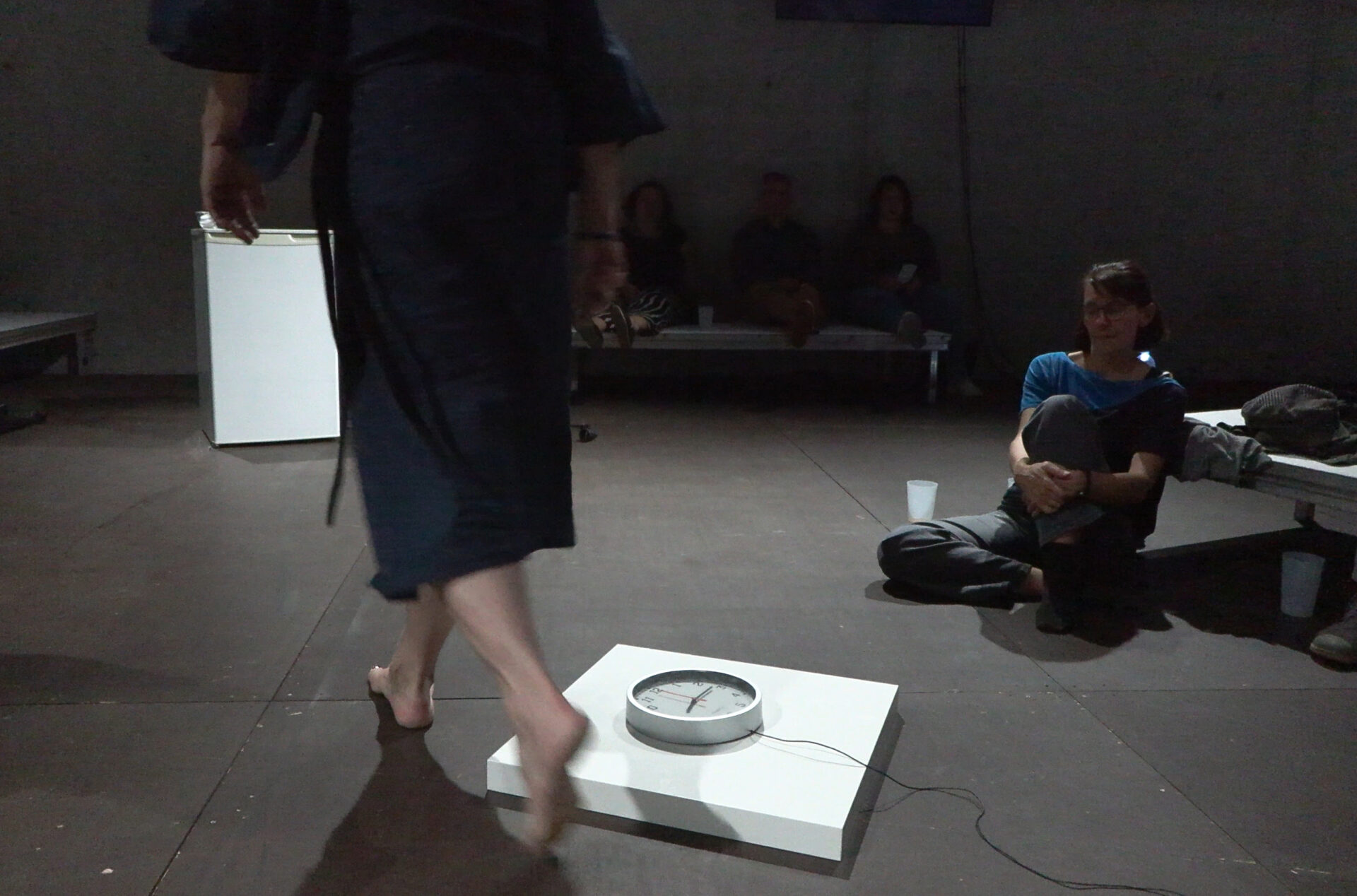
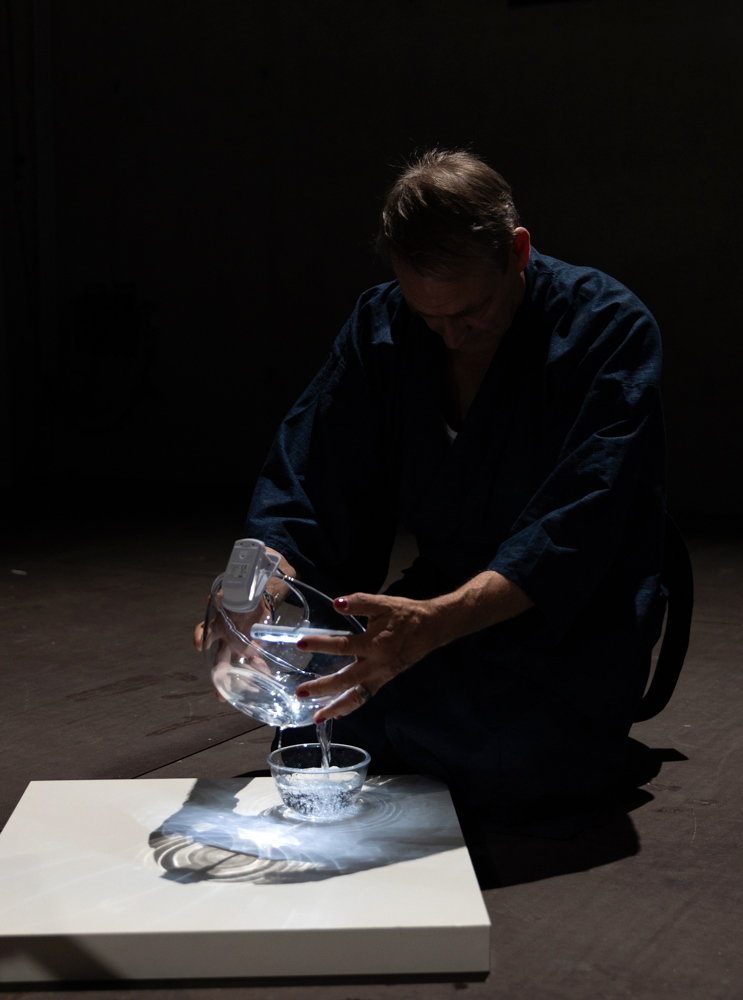
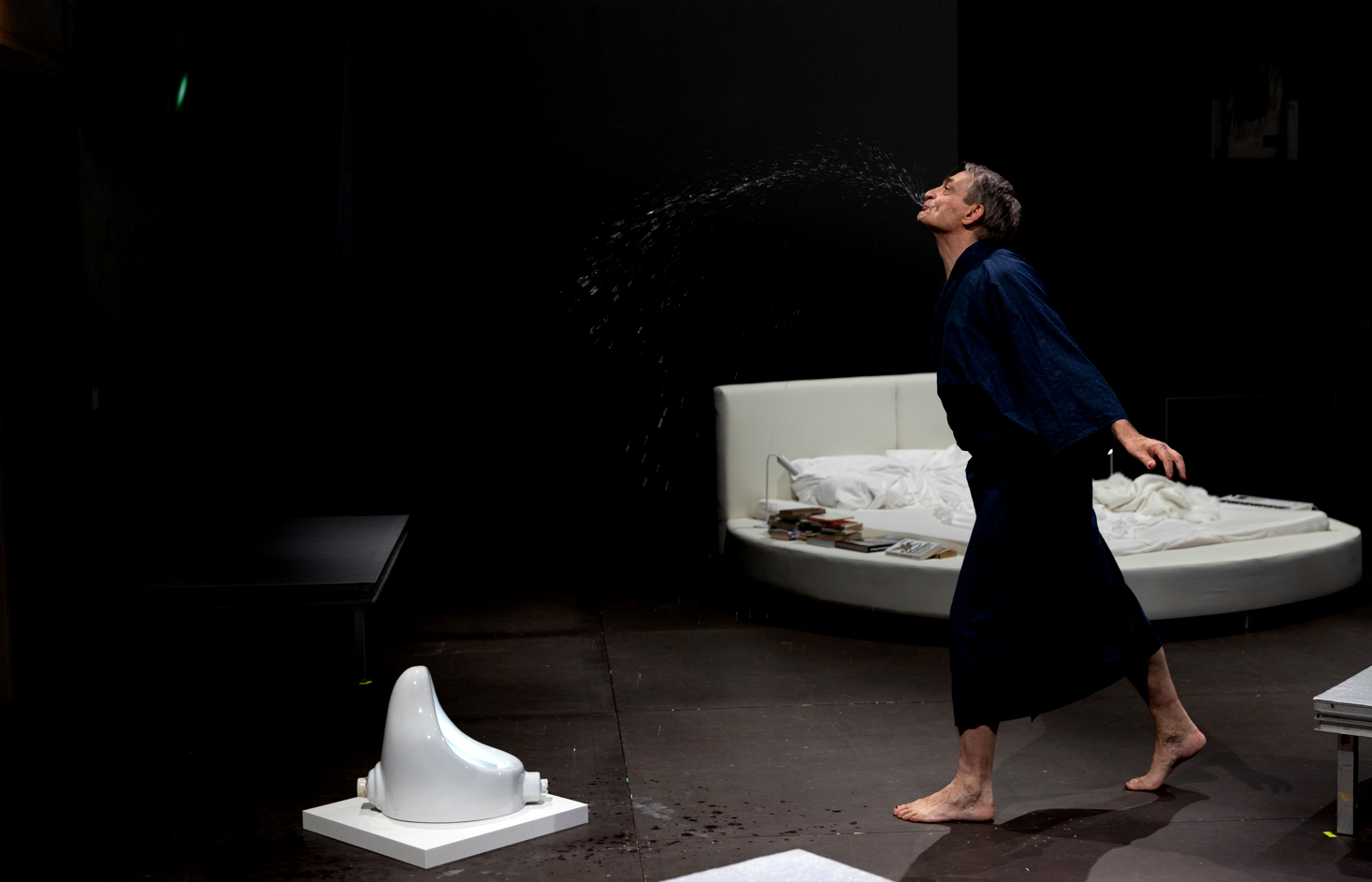
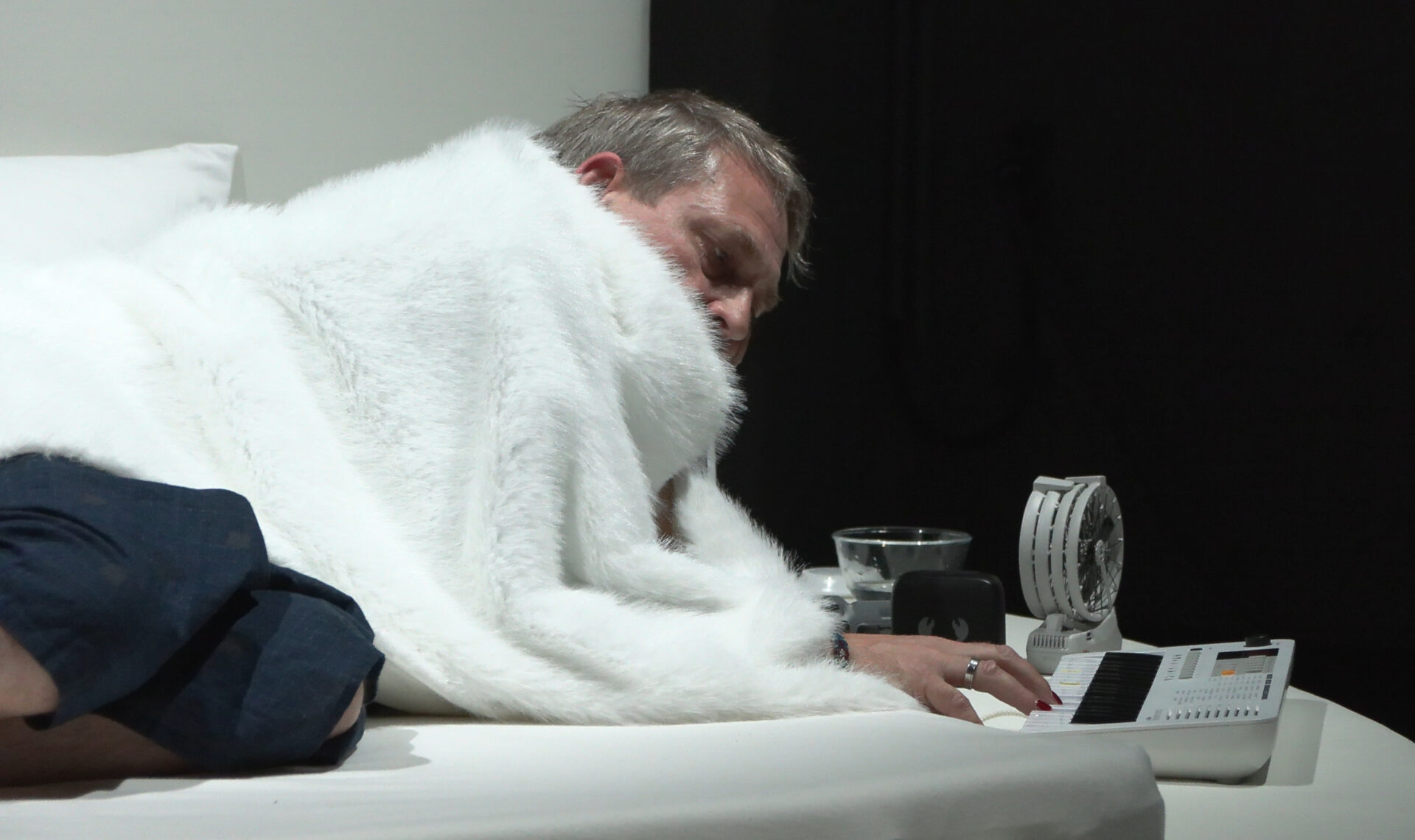
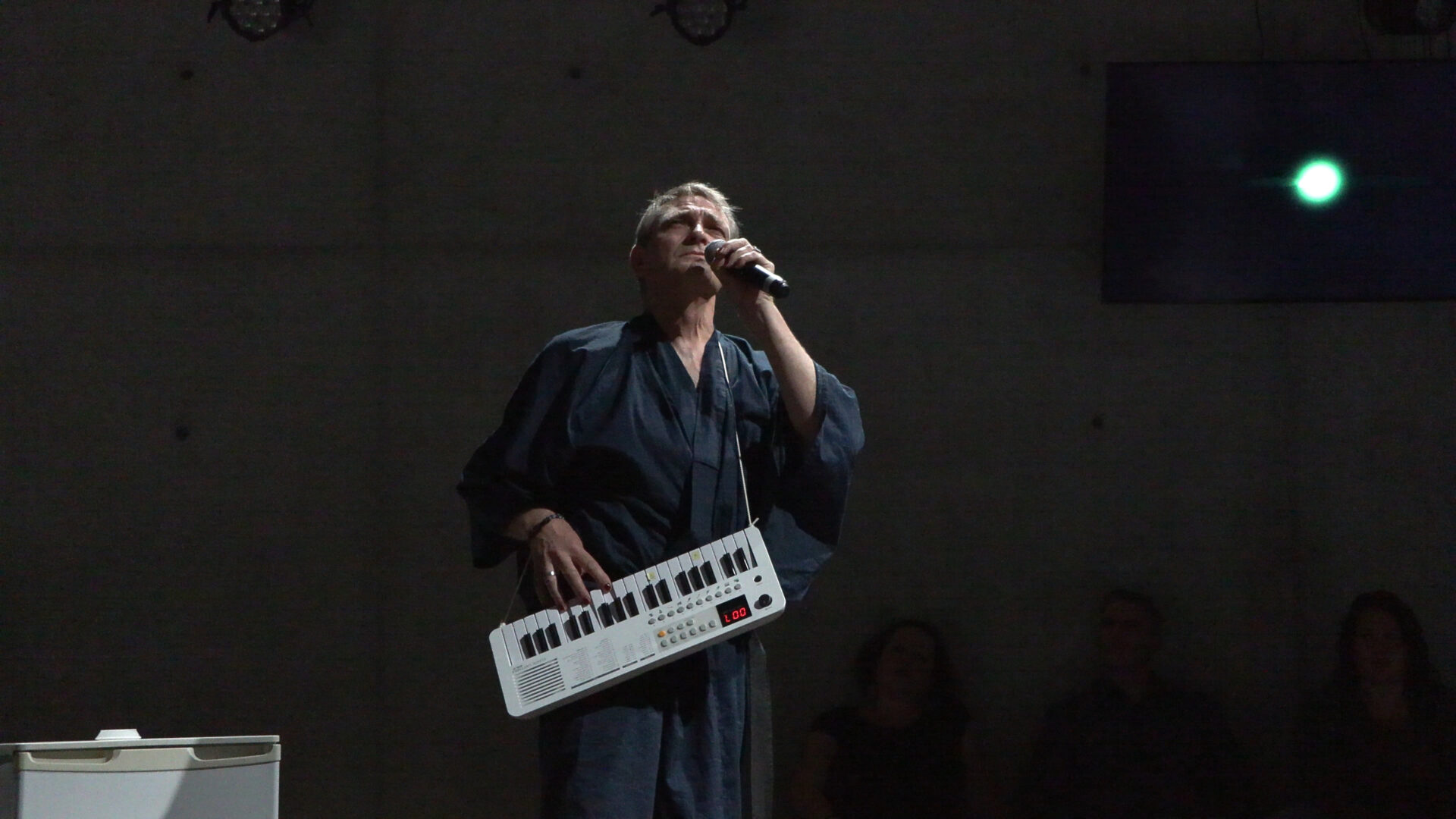
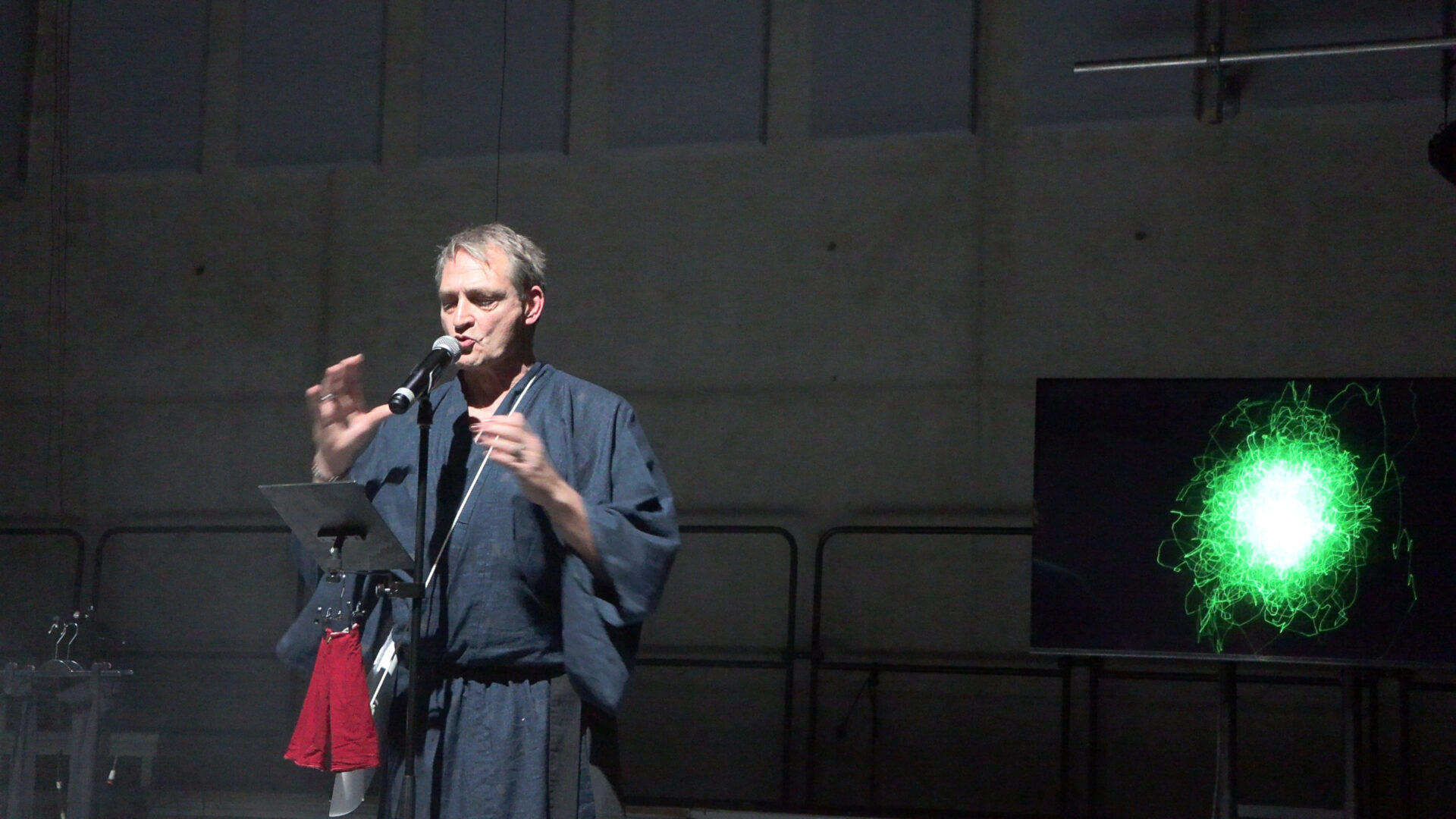
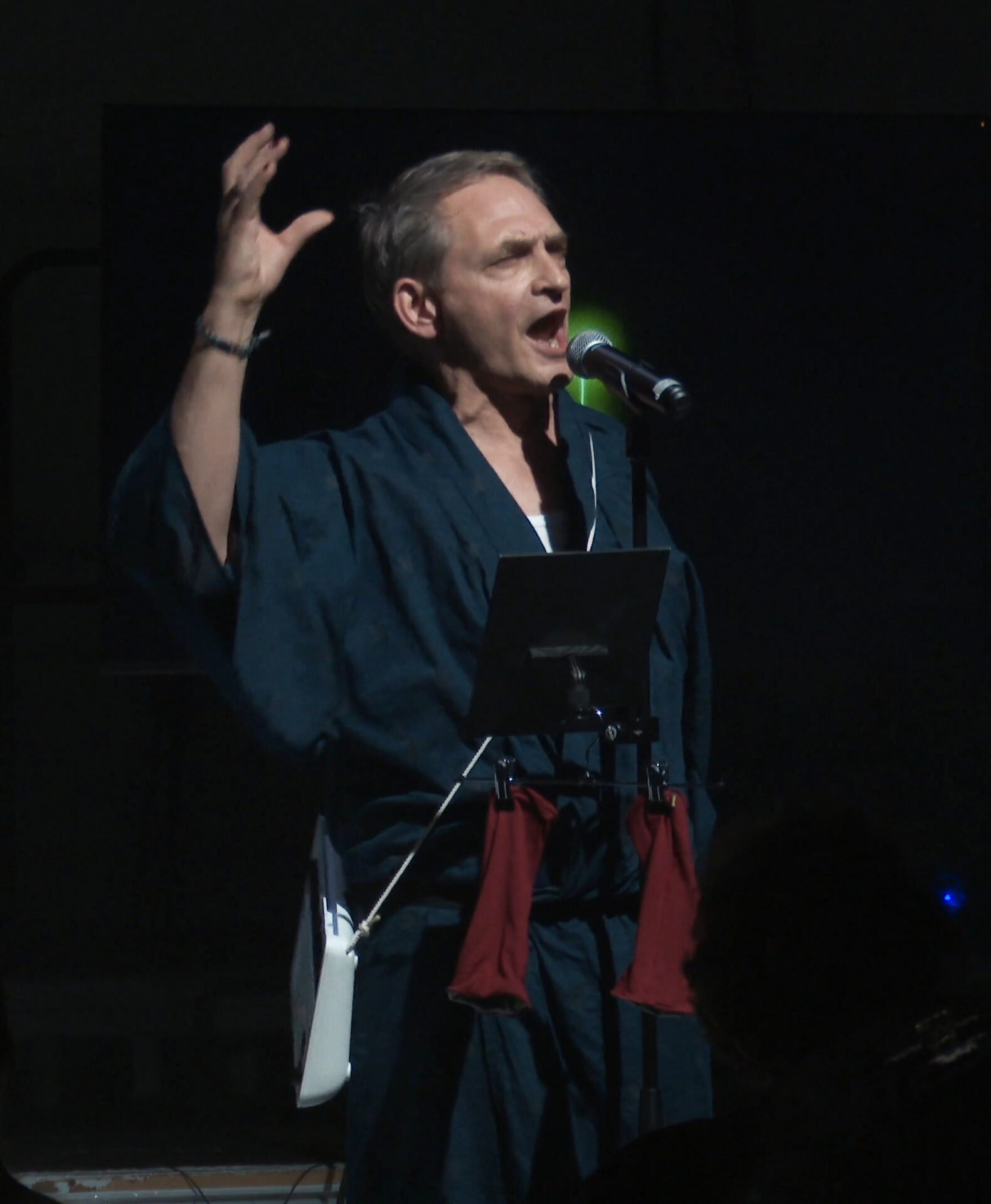
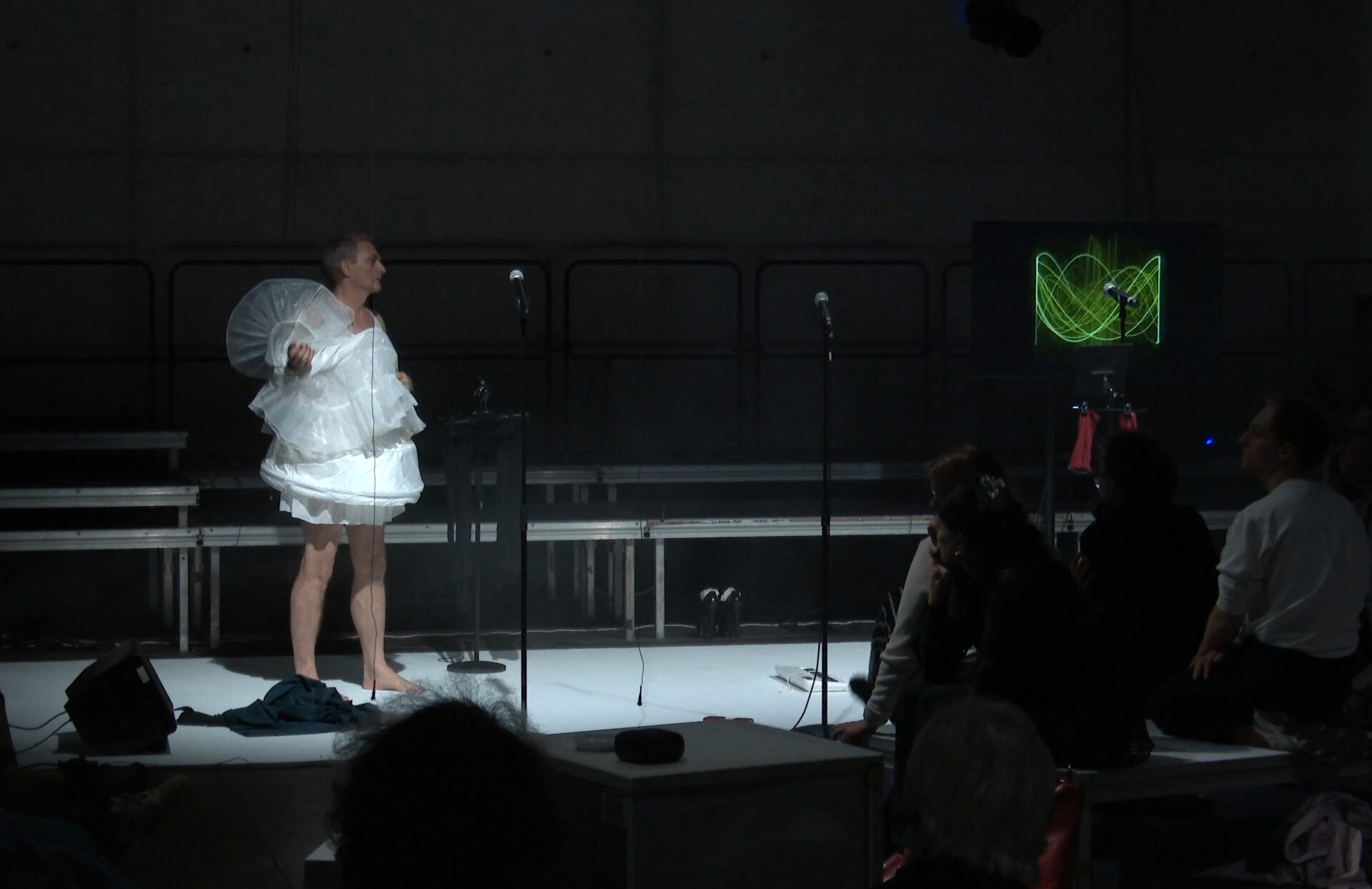
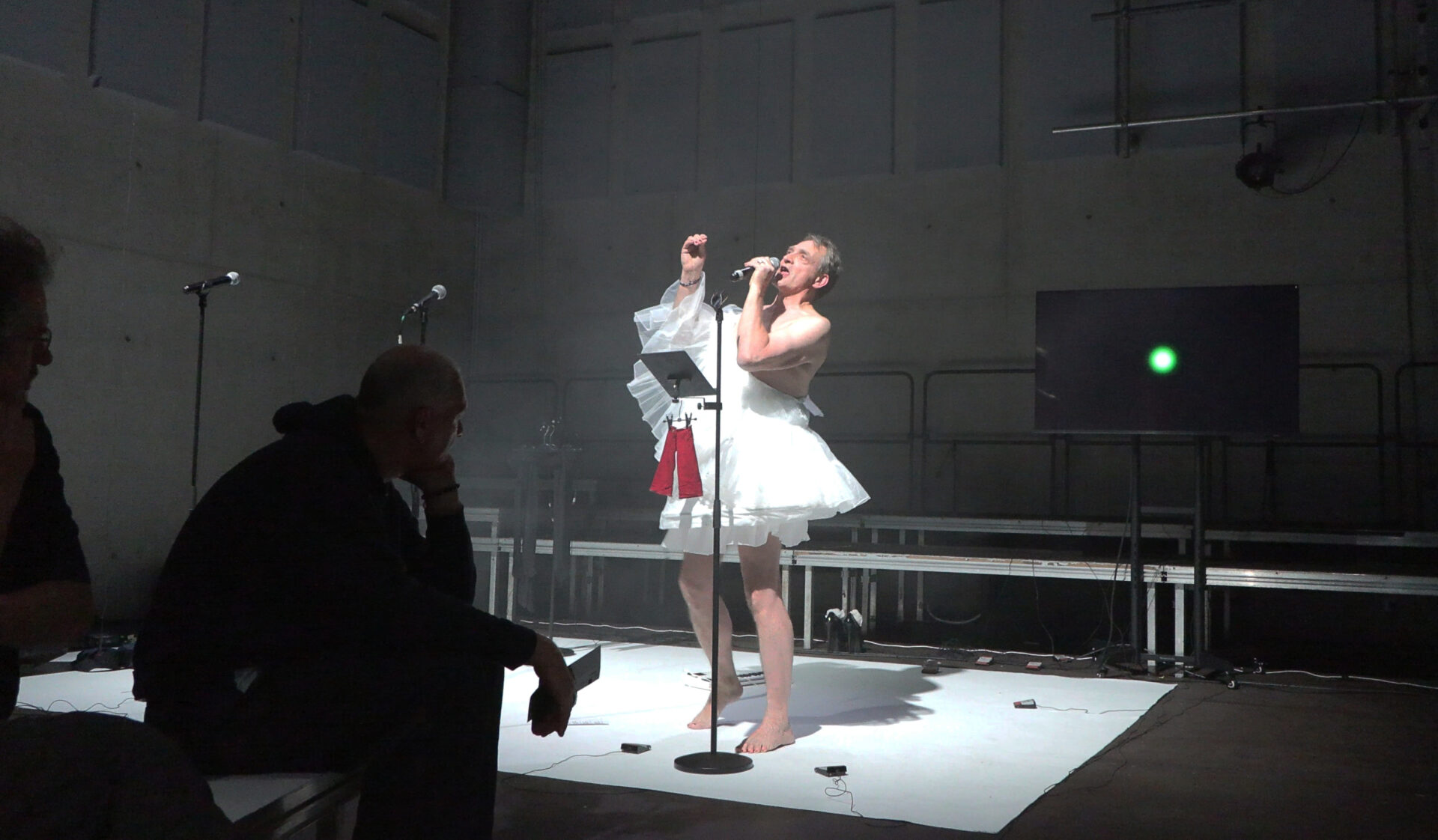
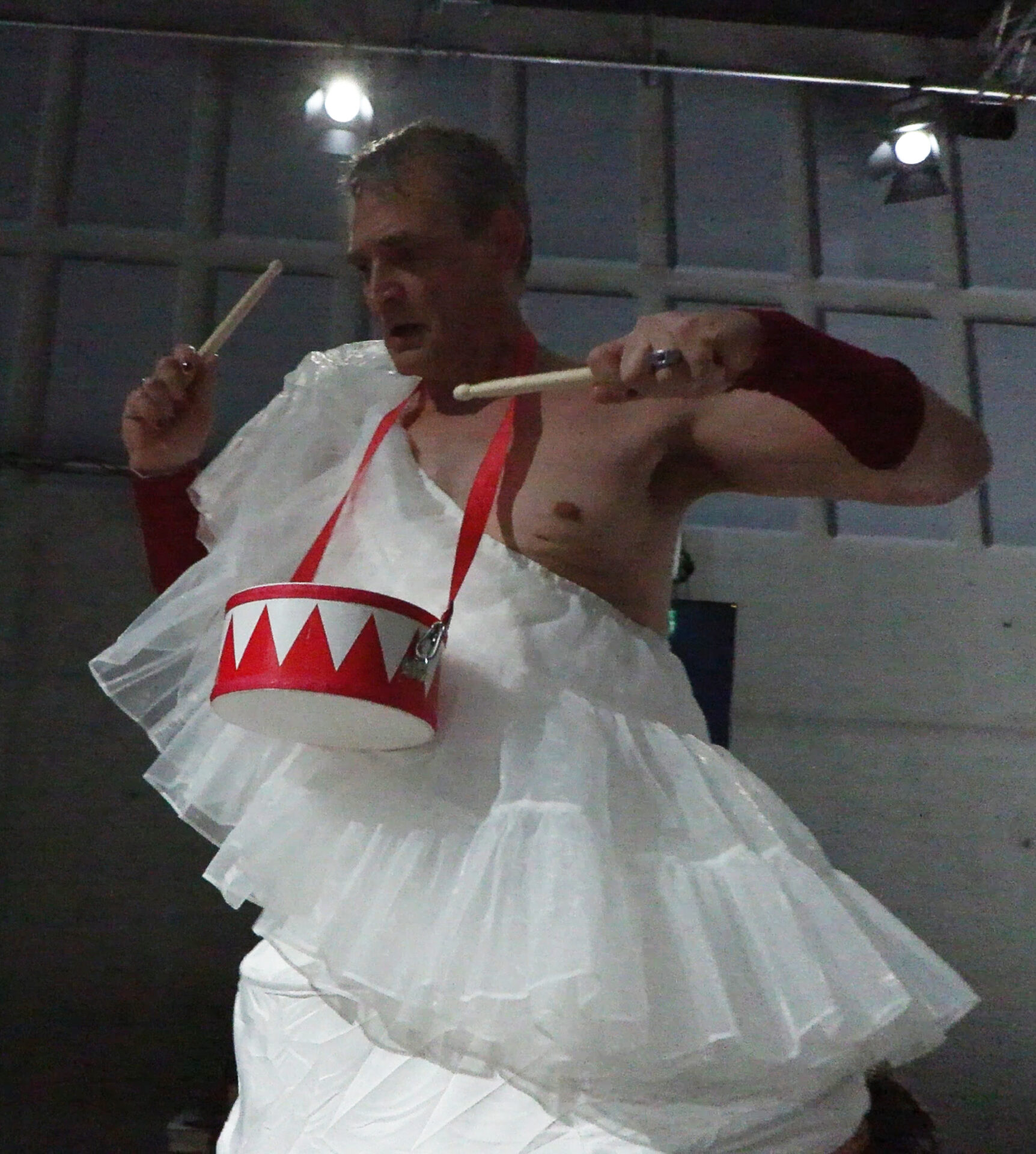
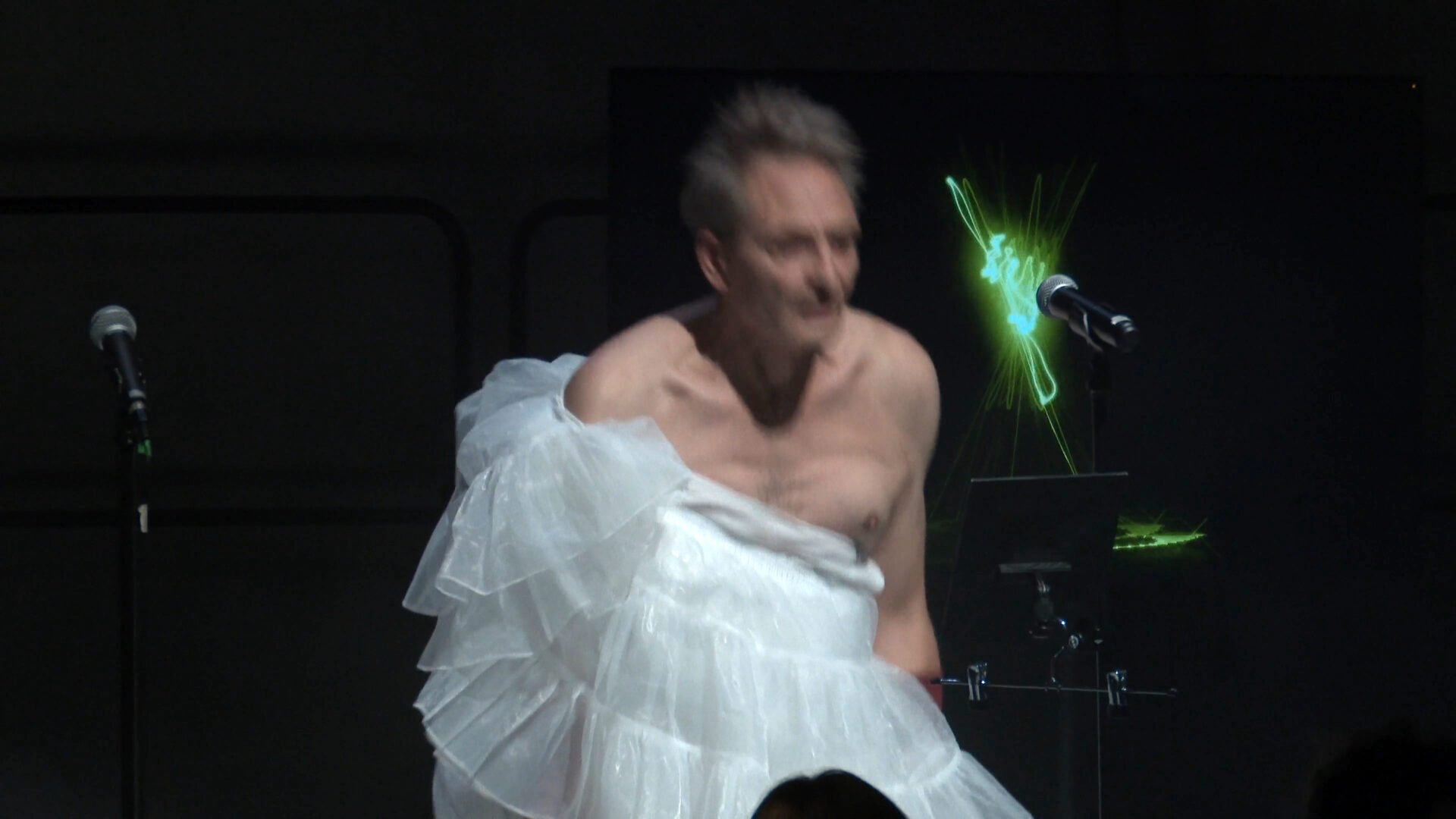
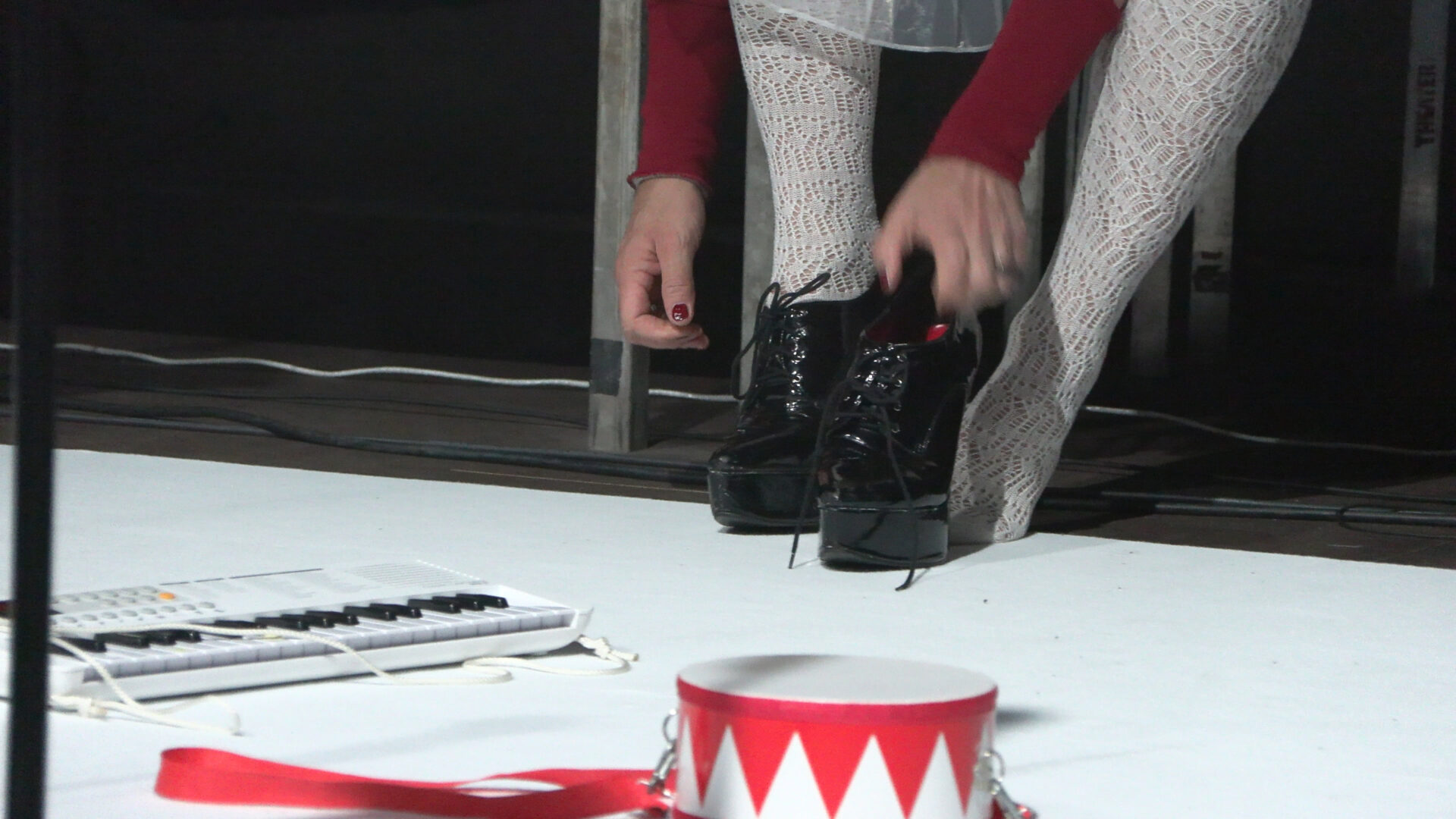
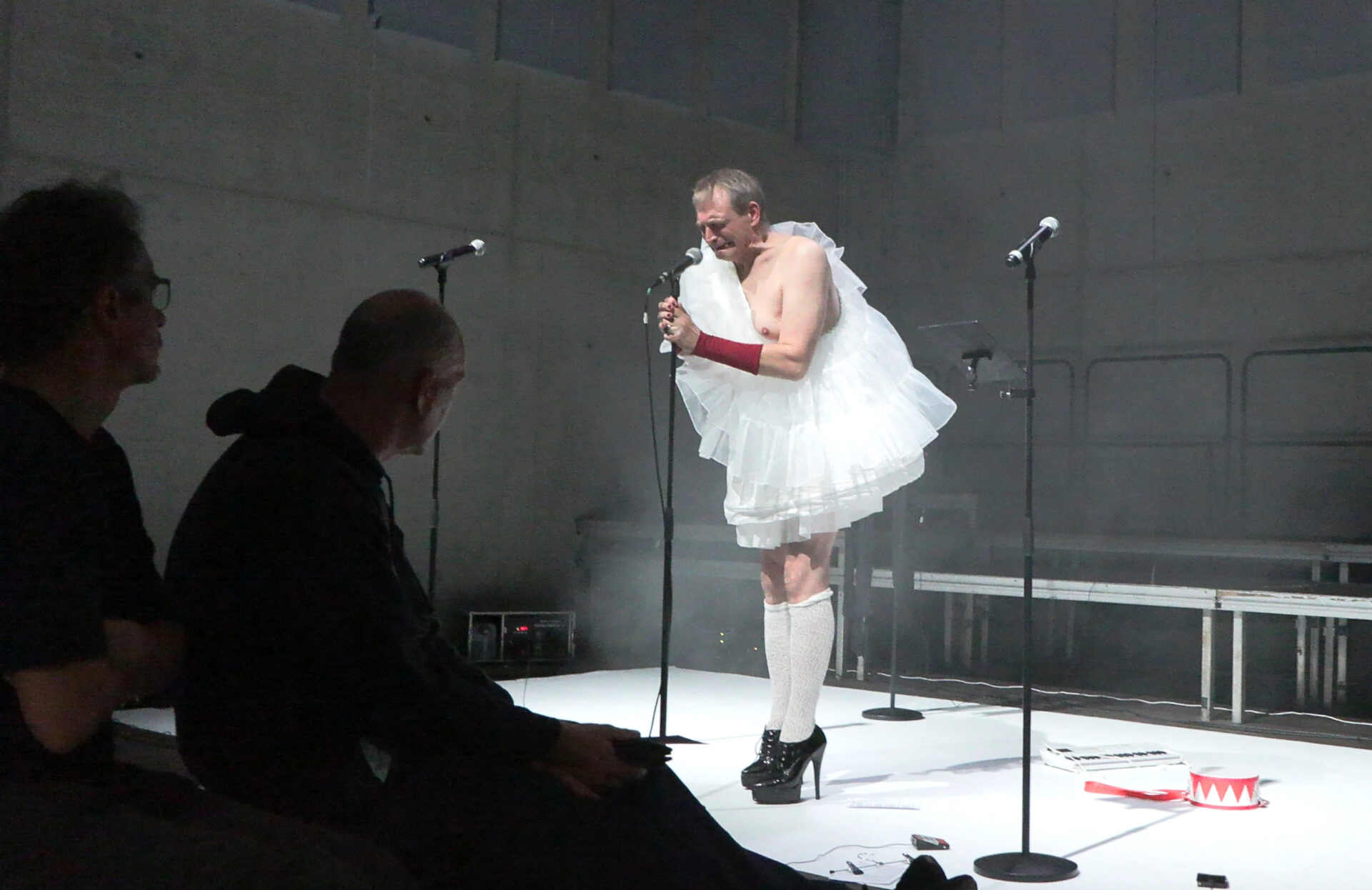
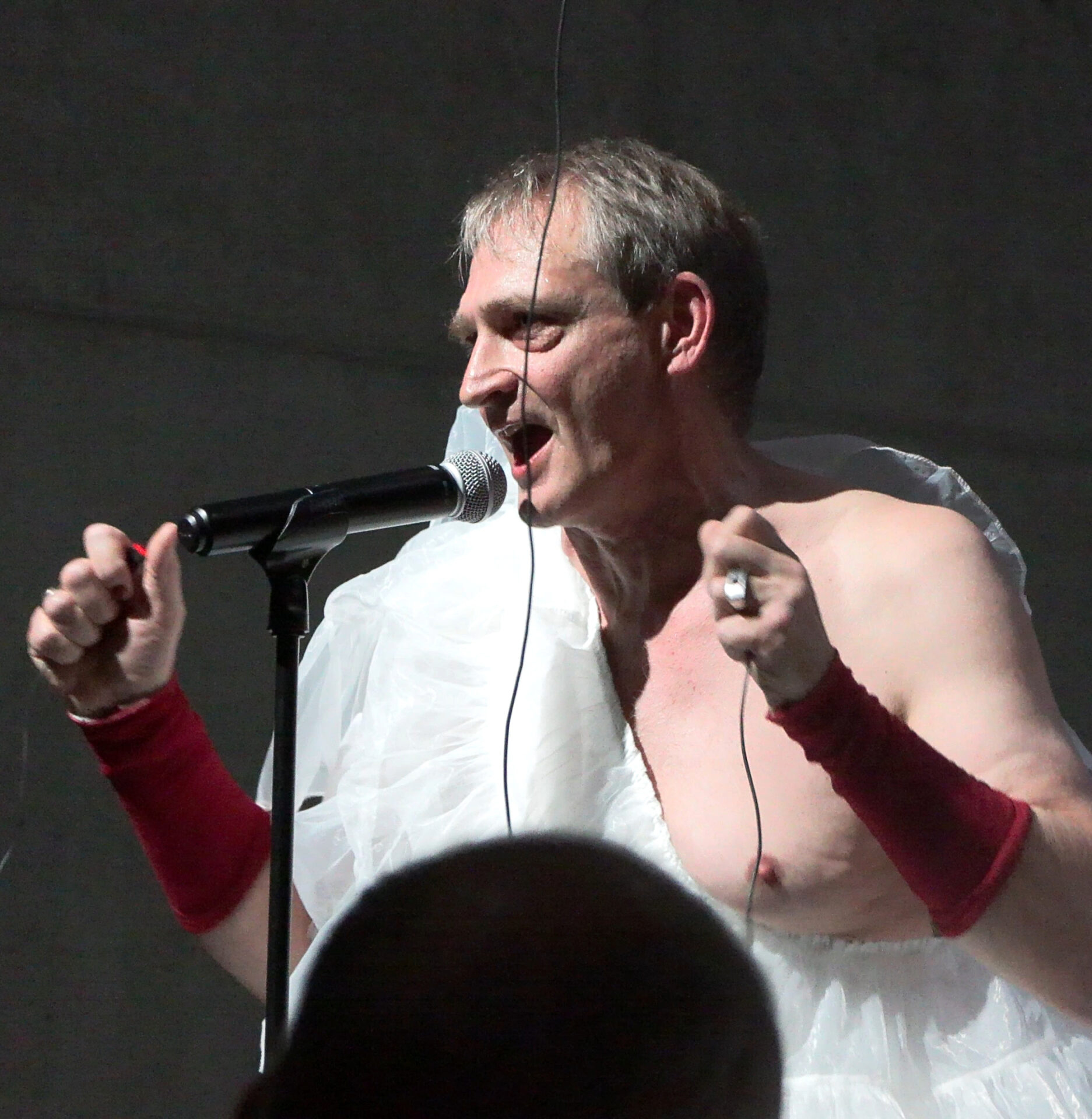
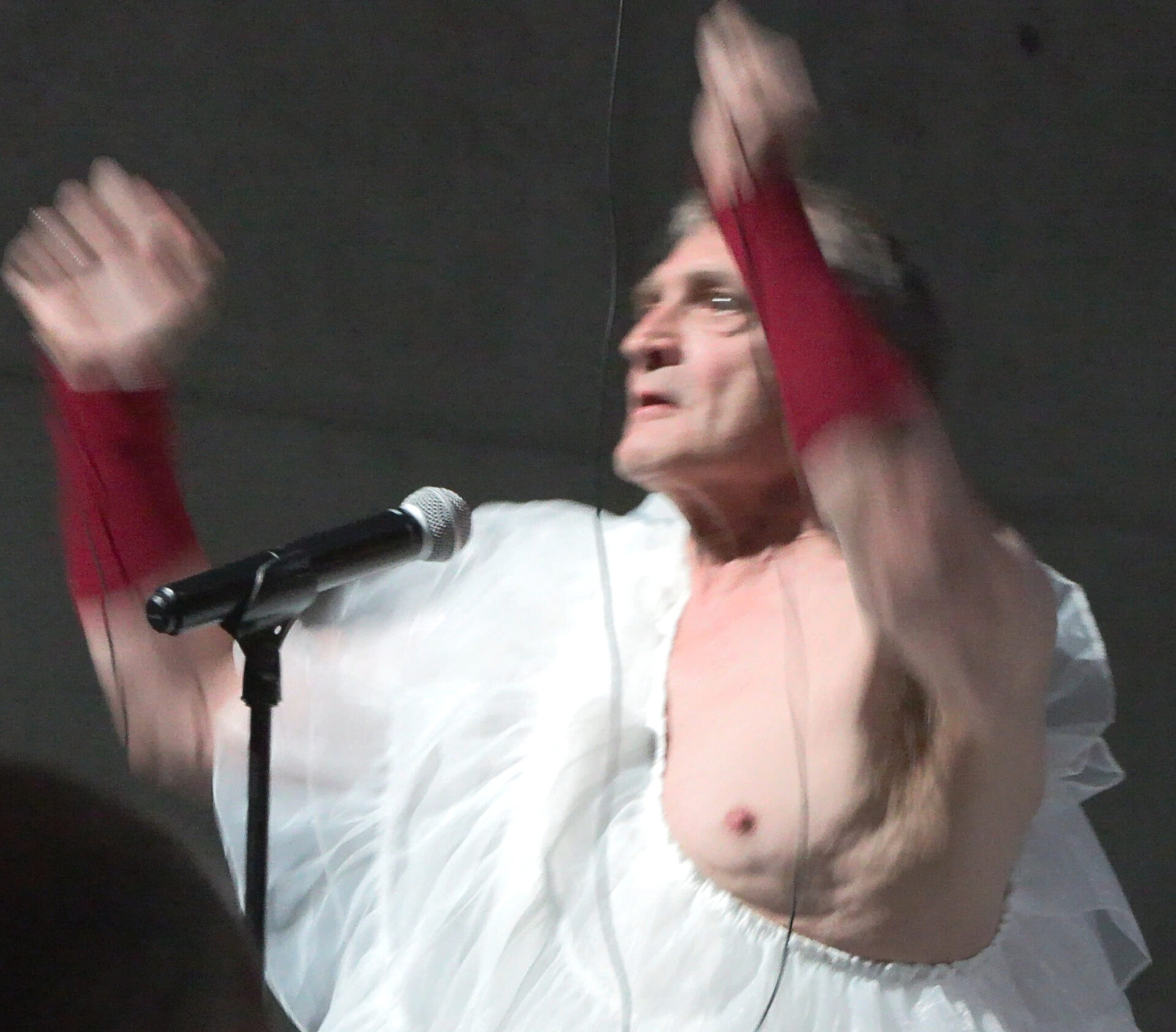
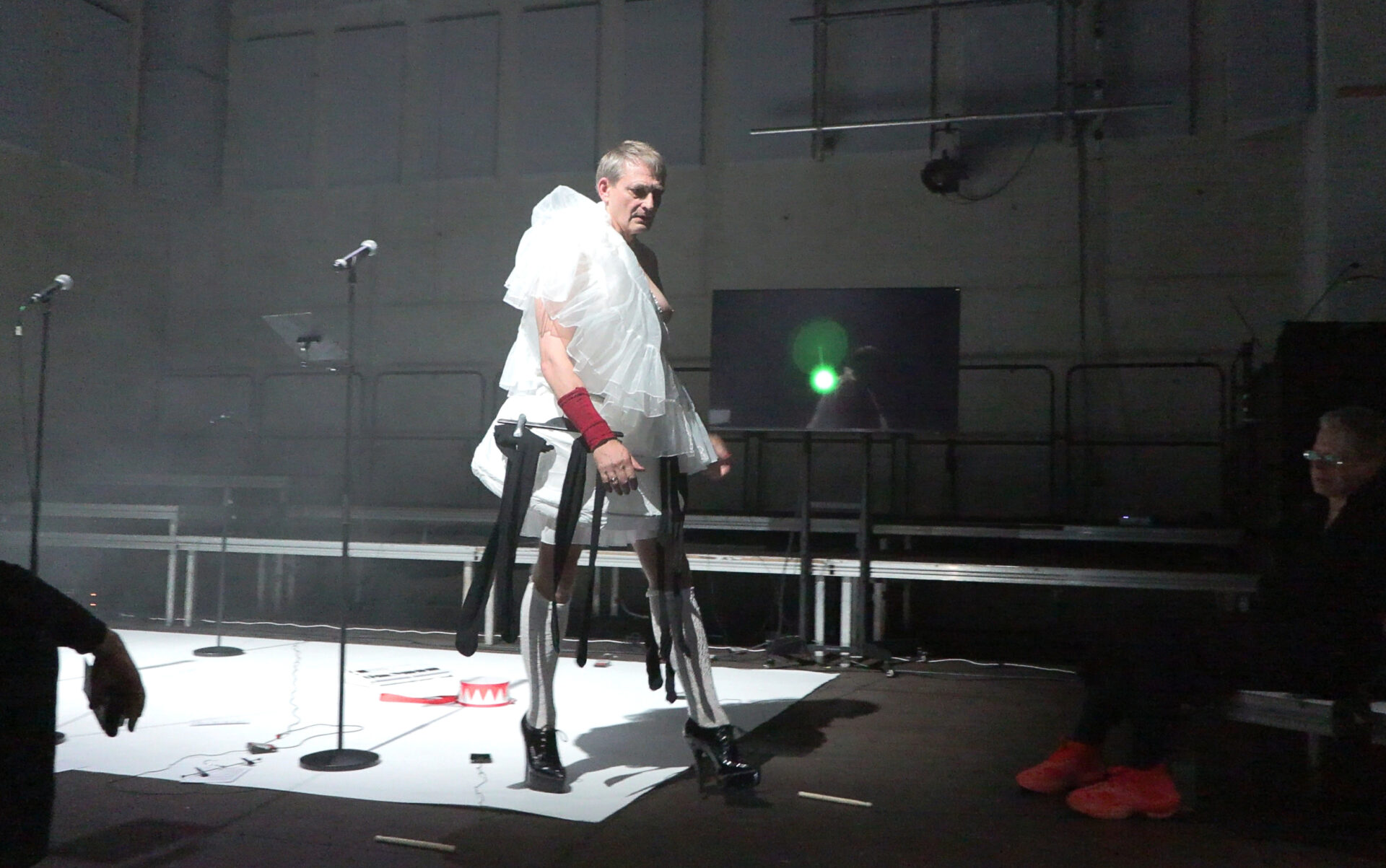
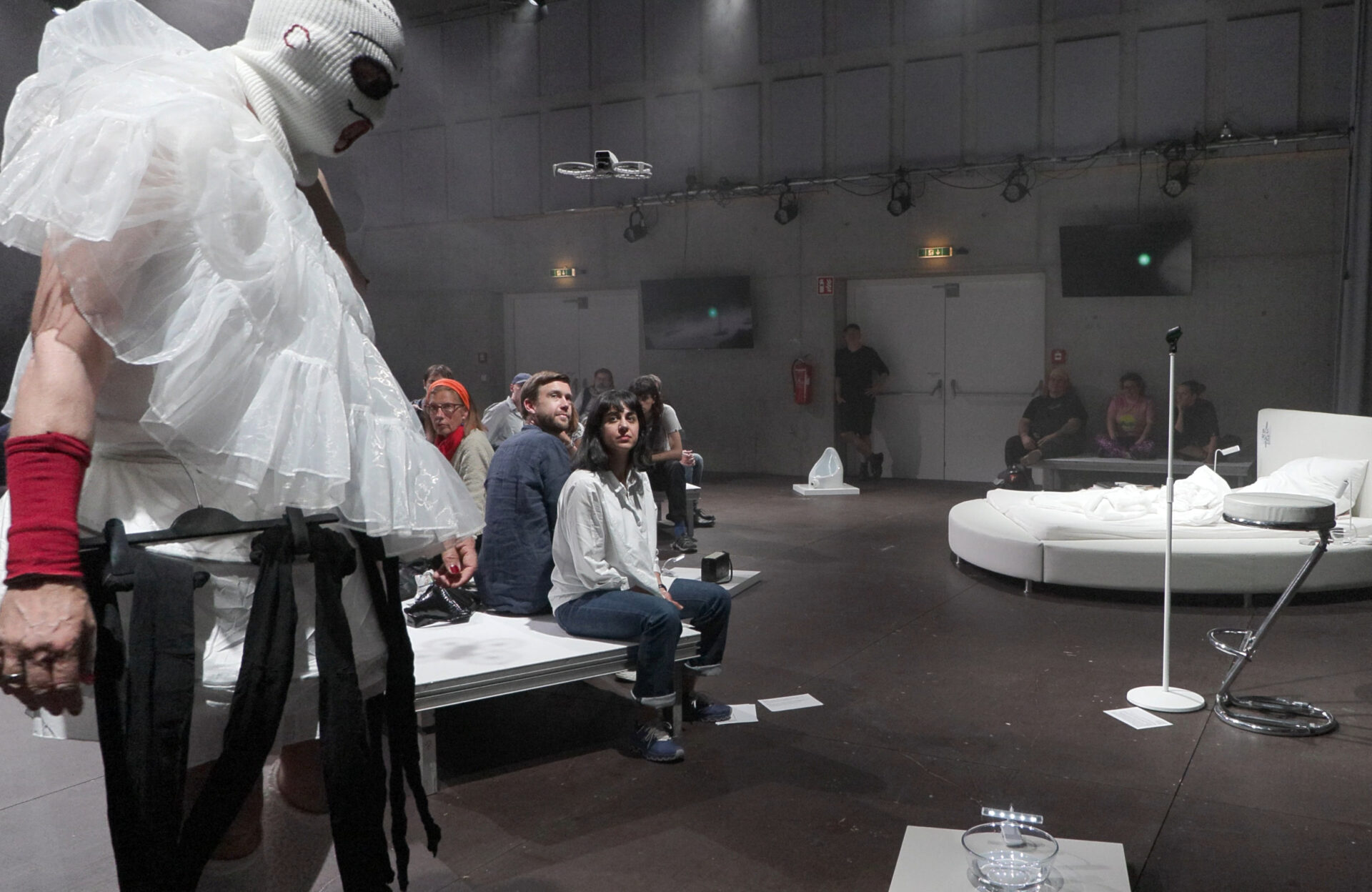
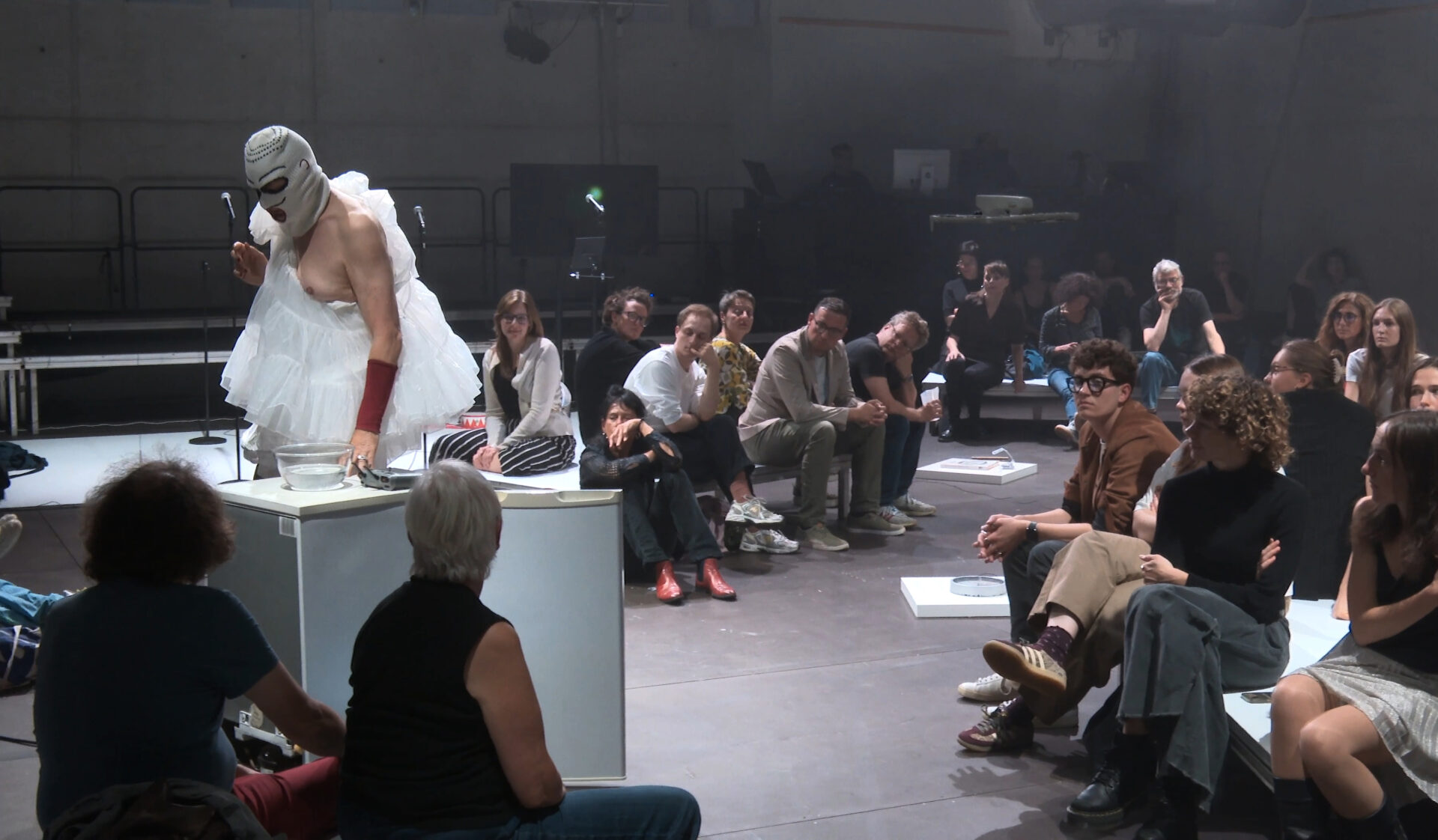
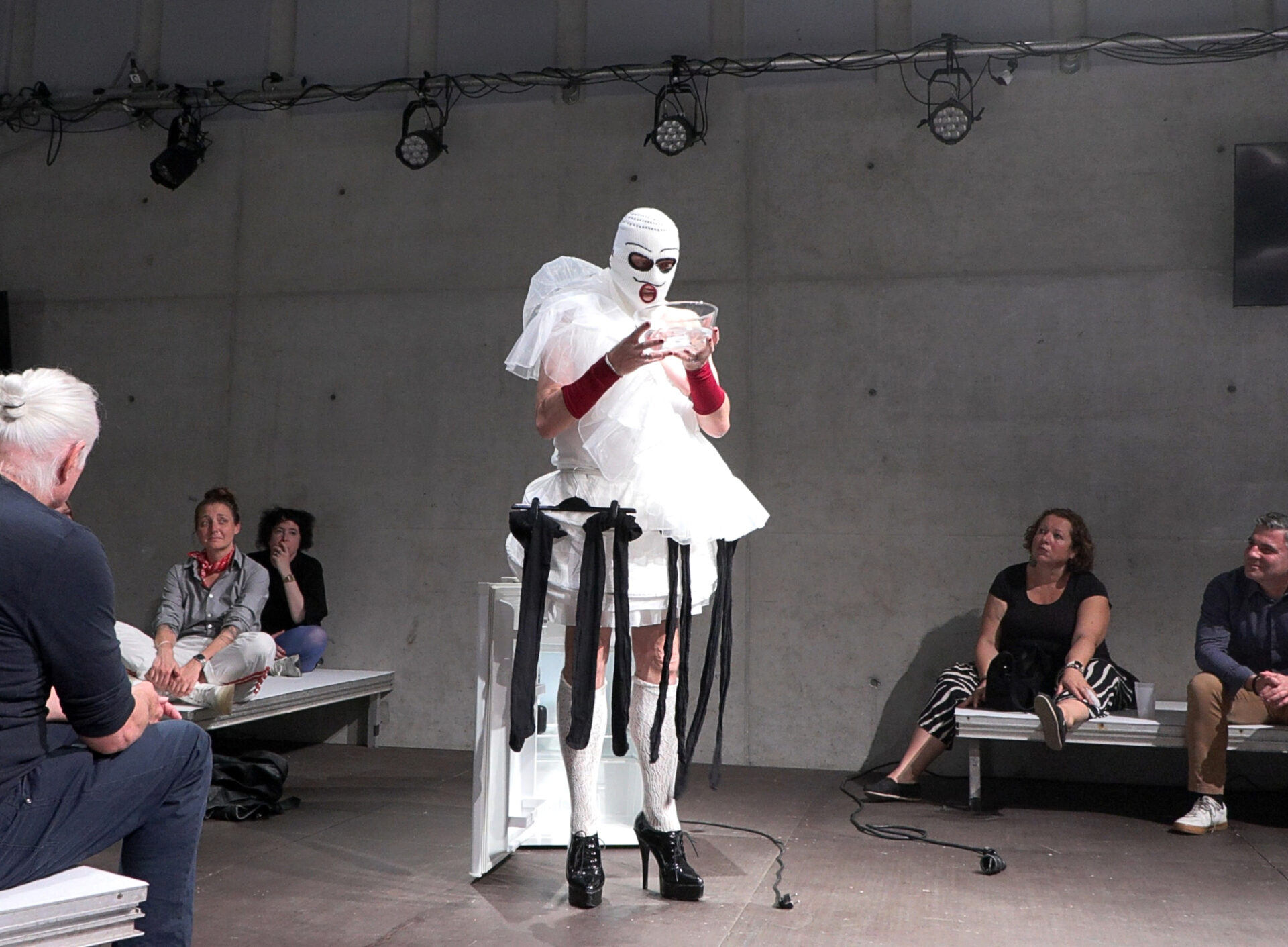
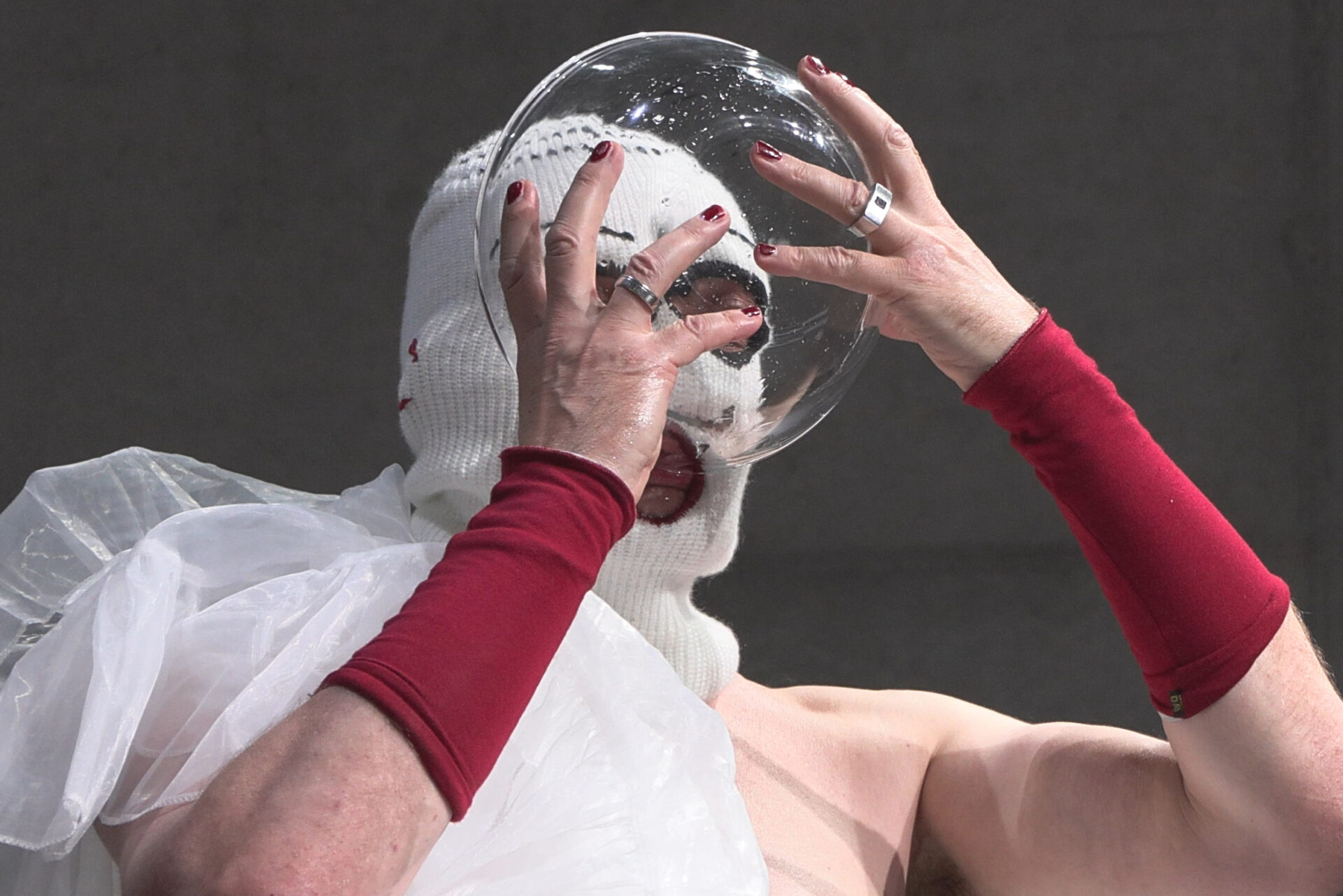
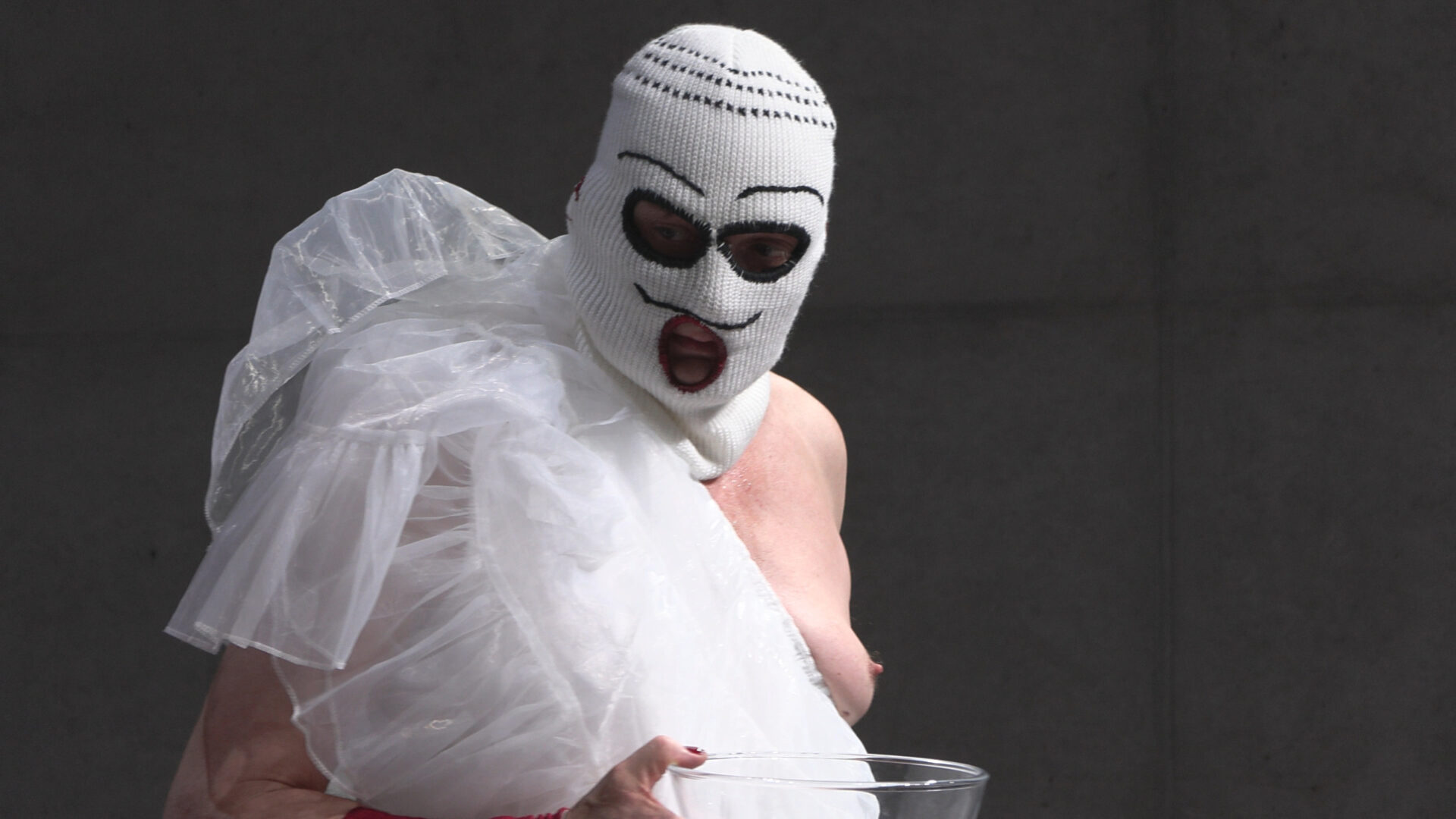
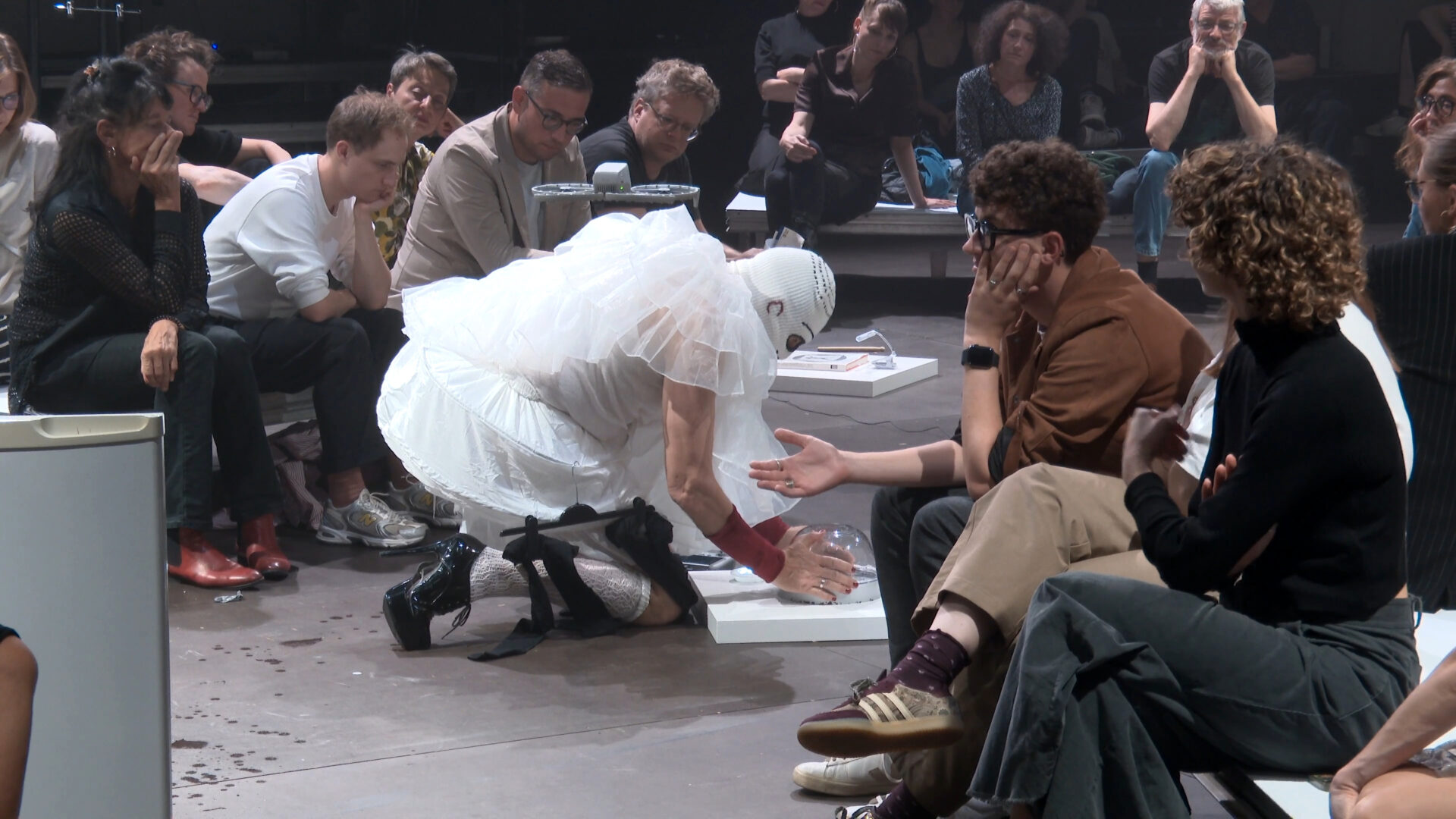
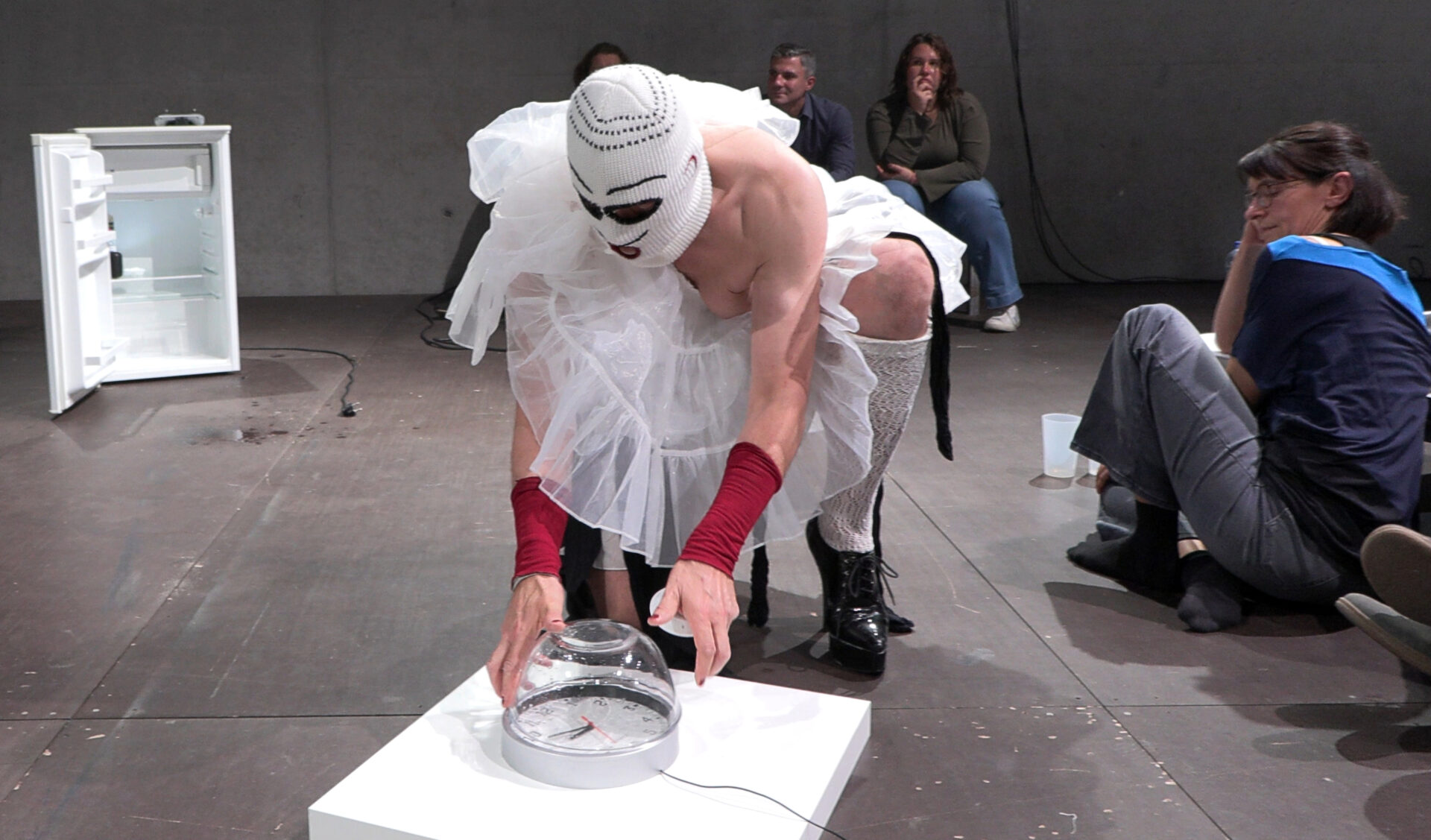
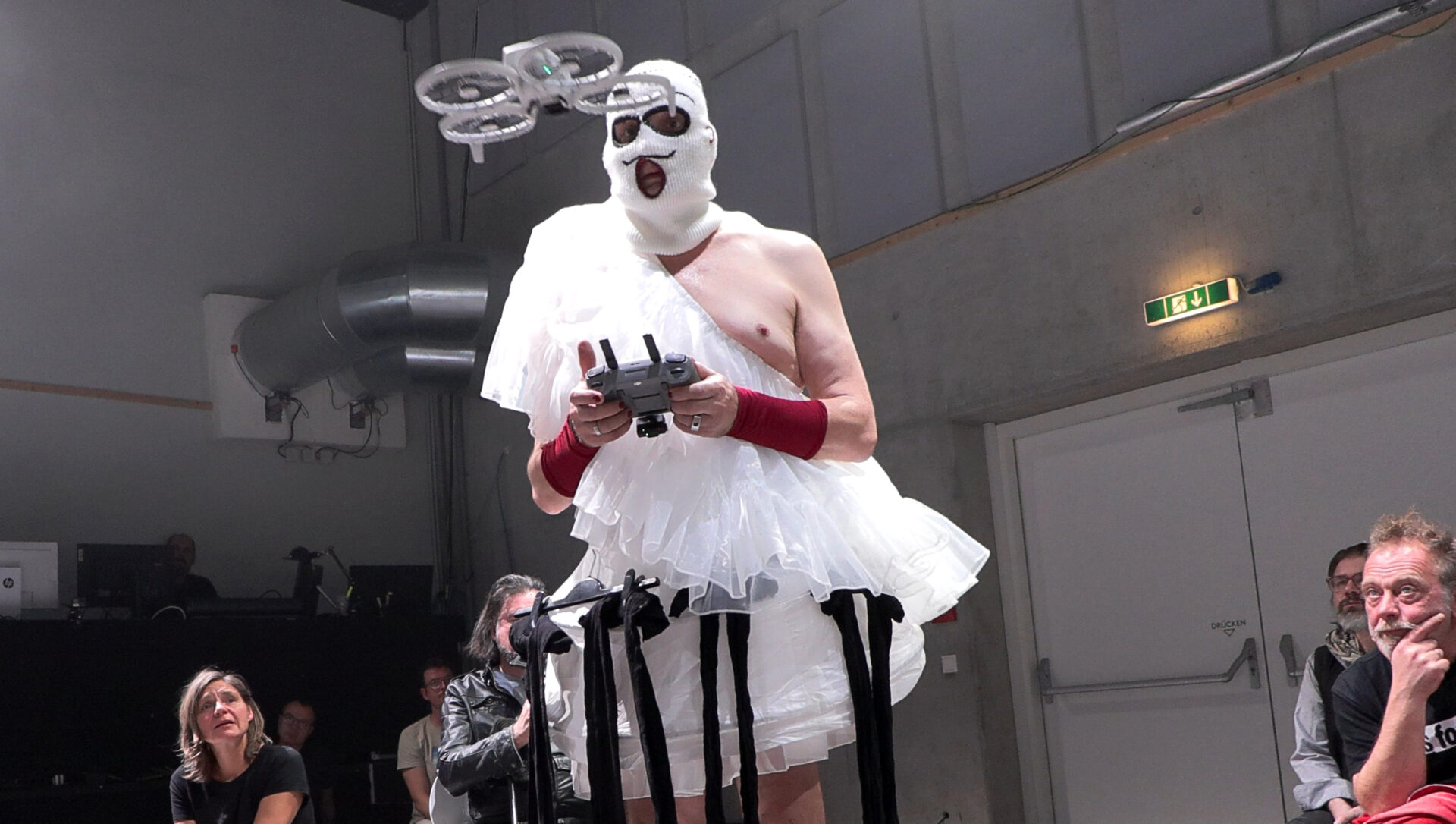
Otmar Wagner creates a performative wellness zone, an open environment with a bed at its centre. Lying in the bed, he gazes up at a fictional sky; the sky gazes back. Il cielo in una stanza. Fundamental tones oscillate; thoughts waver through the room, hide away in the fridge, empty themselves into the urinal. The artist exorcises a monotonous, almost silent chant about himself and his surroundings. A drone takes off and joins in the singing. From an anthropofugal perspective, the full extent of assessment, measurement, presumption and audacity becomes apparent – in other words, everything that flanks the personal, social and philosophical questions of his remaining biography.
In view of the current situation, Otmar Wagner is moving away from discursive, essayistic strategies. As an unprogrammed rebellion against the suppression—brought about by technology and politics—of all those creative outbursts and forms of expression that a sensitive person needs to live, he turns to a subtextual approach in which art reveals itself in ambivalent, poisoned beauty and creates anti-utilitarian, hybrid nonsense.
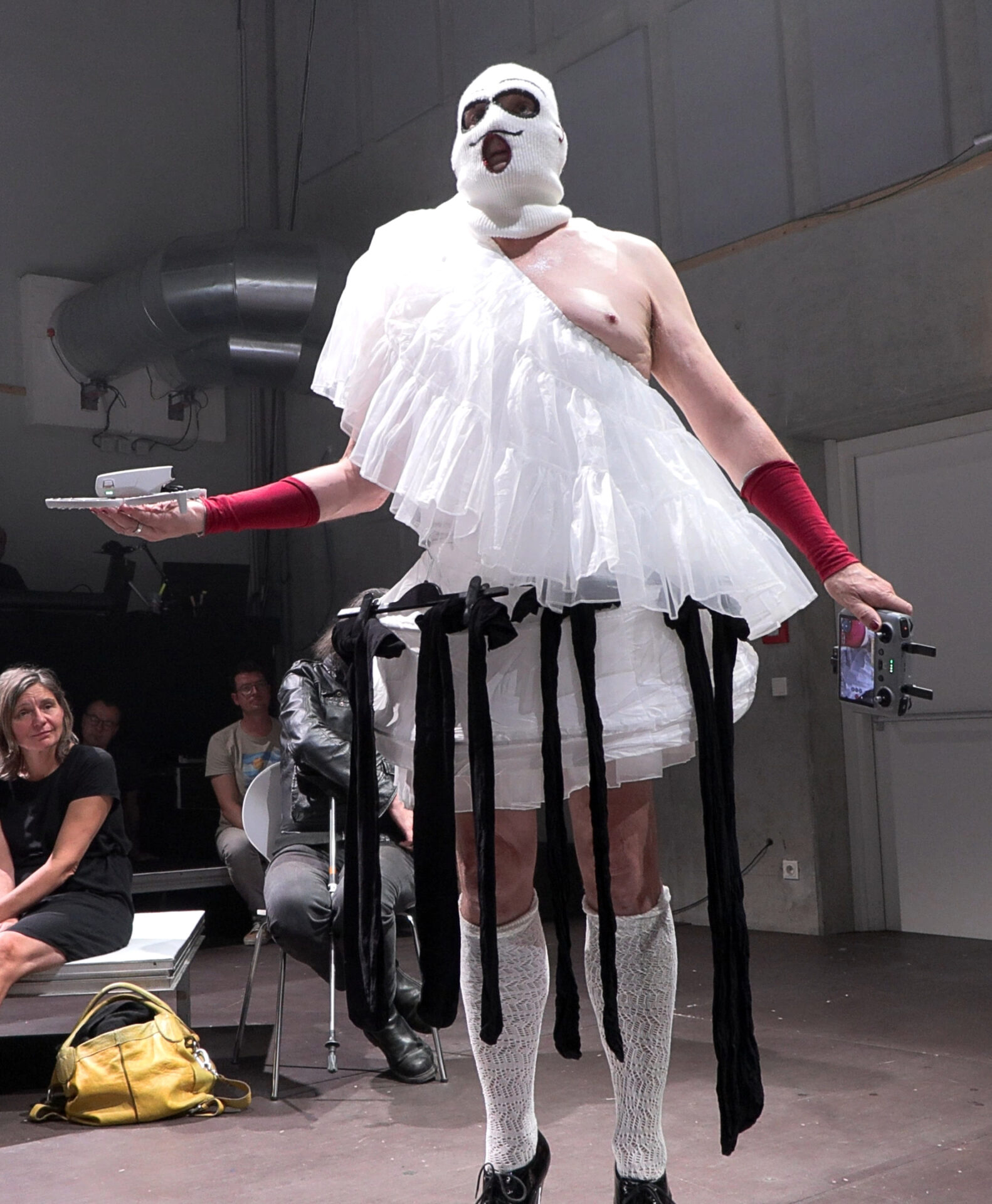
BARBARISM DOESN'T KNOW ART
3 questions for the artist Otmar Wagner
Your evening is subtitled ›A Meditation‹. And given the description of your artistic approach in this work, this subtitle does seem to have a healing quality to it. Will this evening be healing?
Yes, of course.
You also describe your project as a swan song to the essayistic strategies you have employed in your artistic work to date. Why are you saying goodbye to these strategies?
In my case, essayistic strategies take the form of lateral explorations and association trips that offer a fresh perspective on personal, social and political themes and discourses. They make sense in a climate where there is the prospect of social utopias. If this prospect is deliberately clouded, intentionally obstructed or forcibly blocked, the sensitive individual is left with the production of nonsense as a mirror of these acts of violence. Barbarism doesn't know art. As the hum turns to a roar and the space for discourse becomes a battlefield of opinions, it is time for me to perform precisely this moment in which my art, in its sensitivity, weakness and powerlessness, is gradually disintegrating.
Drones are mentioned in the title, drones are used – what does this object mean to you? Or rather, what does it represent for you? Or rather, how did it come to be an essential part of the content of this work?
To begin with, the term ›drone‹ evoked a whole range of different associations for me. Naturally, many people’s first thought is of the massacres carried out by military drones in current theatres of war. Or of the many beautiful ›The World from Above‹ documentaries. My approach to the subject is more musical. When the NATO Secretary-General says that ›the hum of the machines must become a roar‹, I think that the roar of the drones can also become a hum, like the sound of a fridge or the sound of a tanpura, a polyphonic drone from which a bubble of pacification might possibly form. When I write something like this, however, I ask myself: is this still me, or is it already my AI agent? We don’t know.
(The questions were asked by Esther Holland-Merten.)