WALL/WORK IN PROGRESS. On an Aesthetic of Barriers
Wall installation as part of the exhibition ›NON DEGRADABLE‹.
SALON OF CULTURES, Educult at the Museumsquartier in Vienna, 10 June–30 September 2022
Artists featured in the exhibition: Stefanie Koscher, Thaer Maarouf, Otmar Wagner
Curator: Omar Zatar
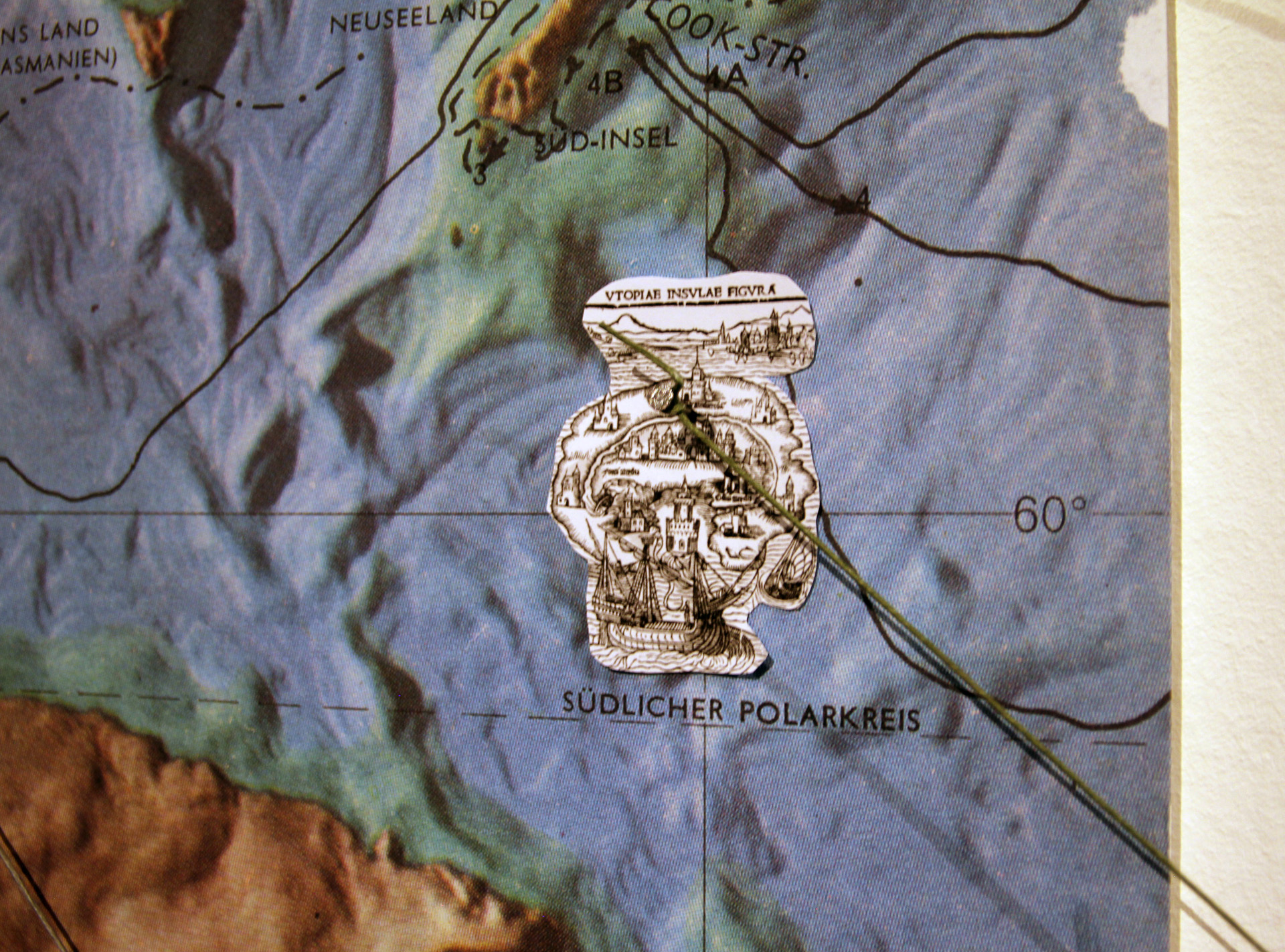
This artistic examination of world-wide border walls / fences and their aesthetics is based on an essay-performance that Otmar Wagner presented between 2016 and 2019 under the title ÄSTHETIK DER ABSPERRUNG (AESTHETICS OF EXCLUSION) in various versions and at different locations. As a hybrid of a ›mental map‹ and a pinboard map, the work combines photographs, sketches, texts, a mini video screen and audio files that can be triggered via buttons.
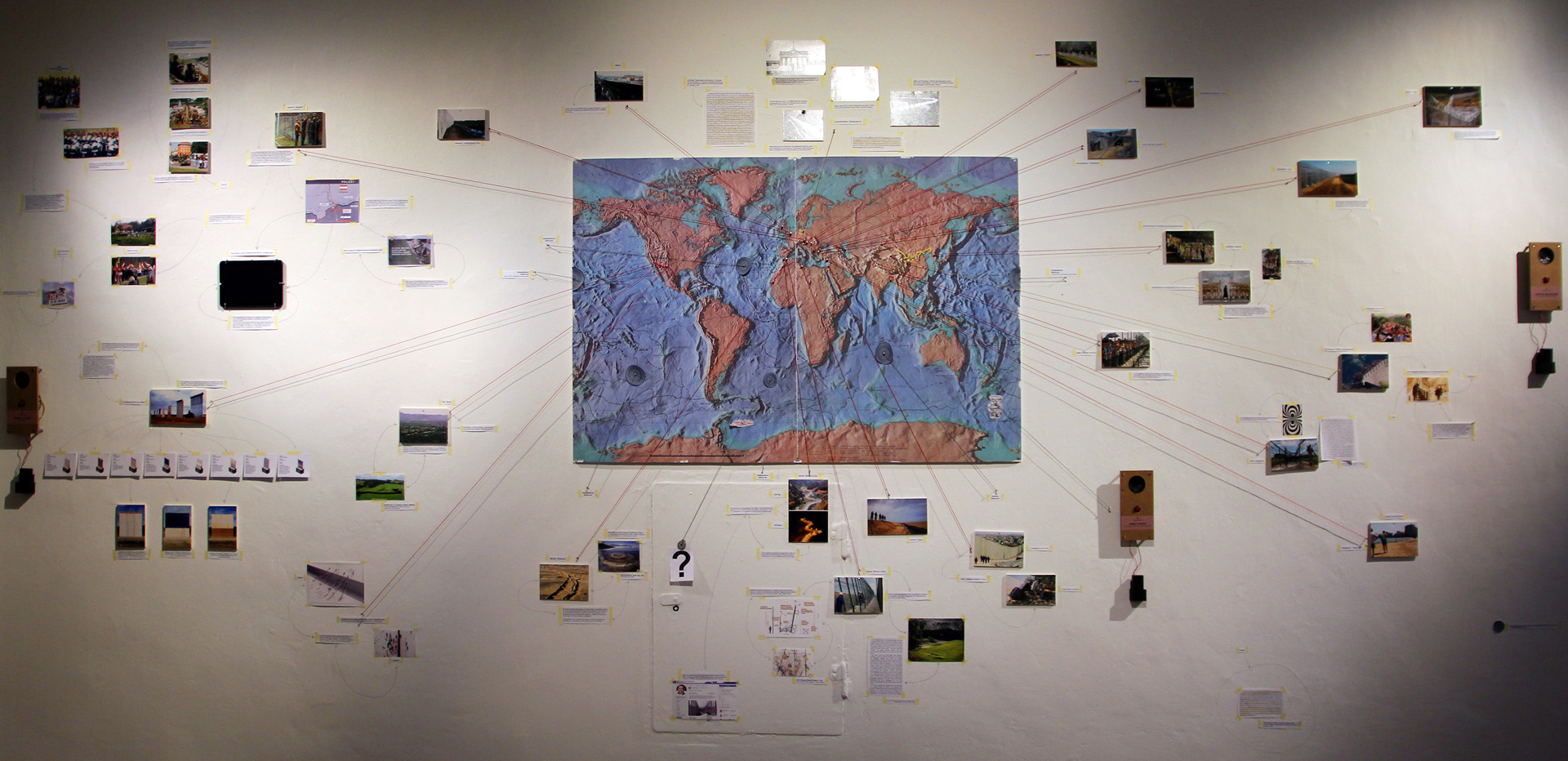
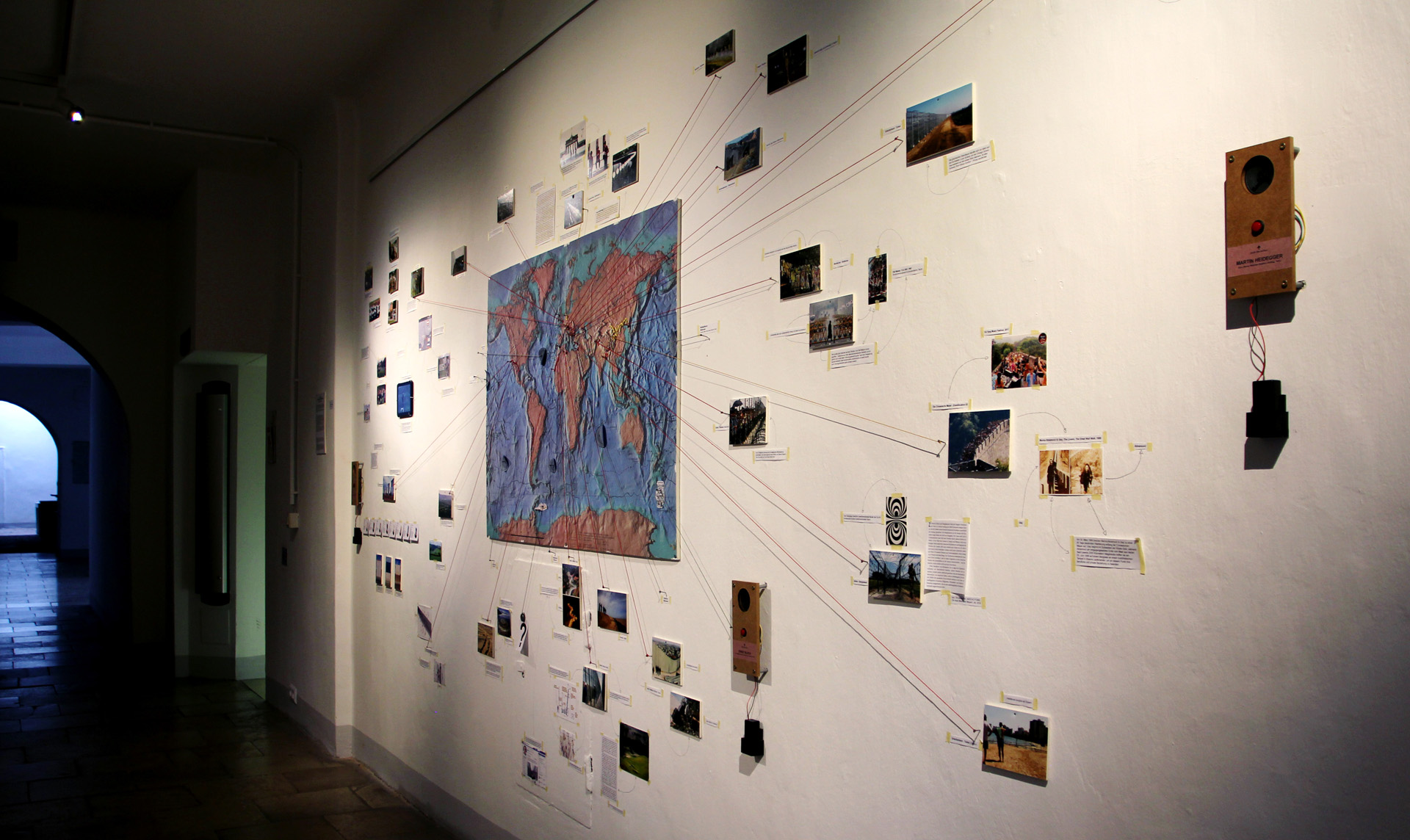
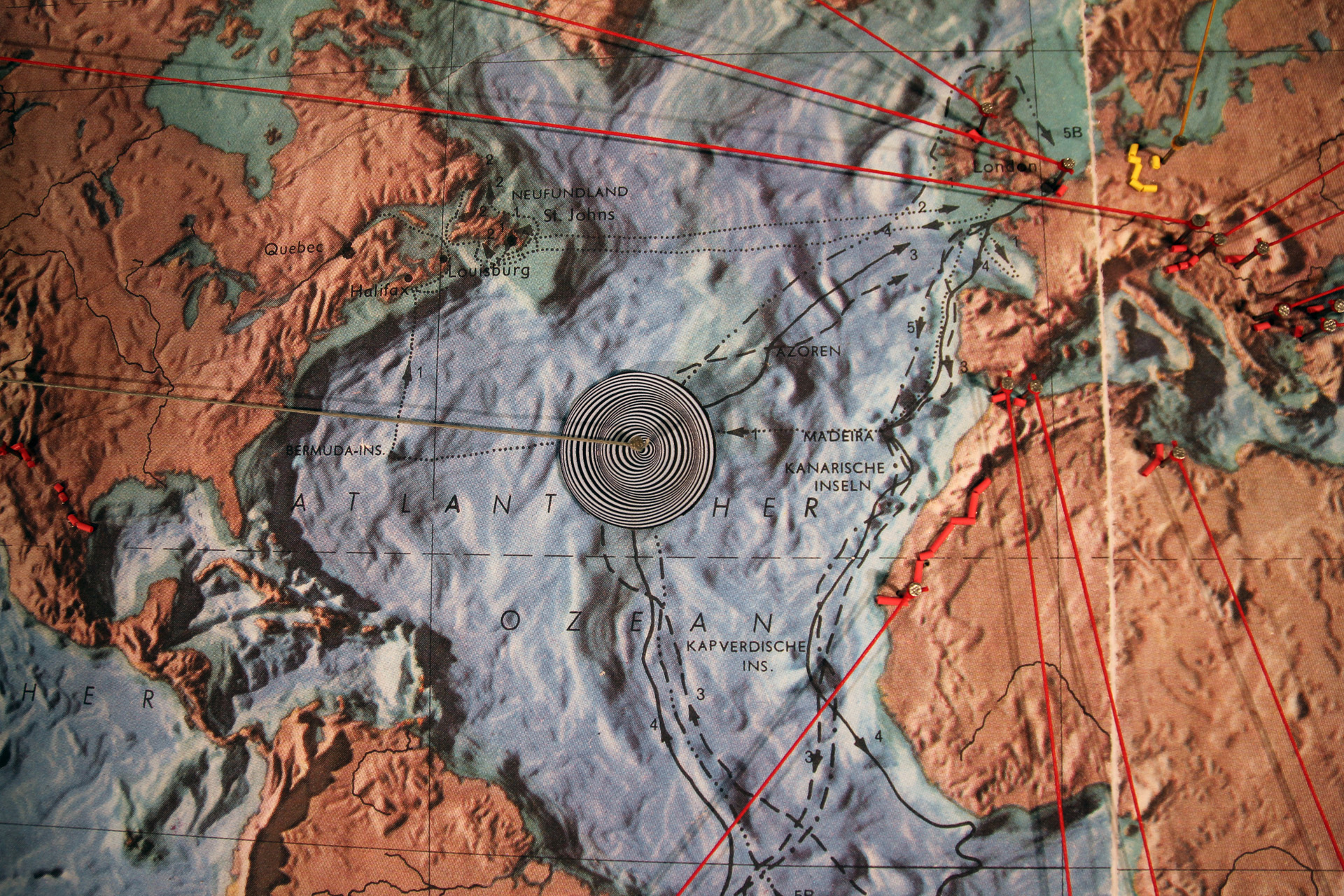
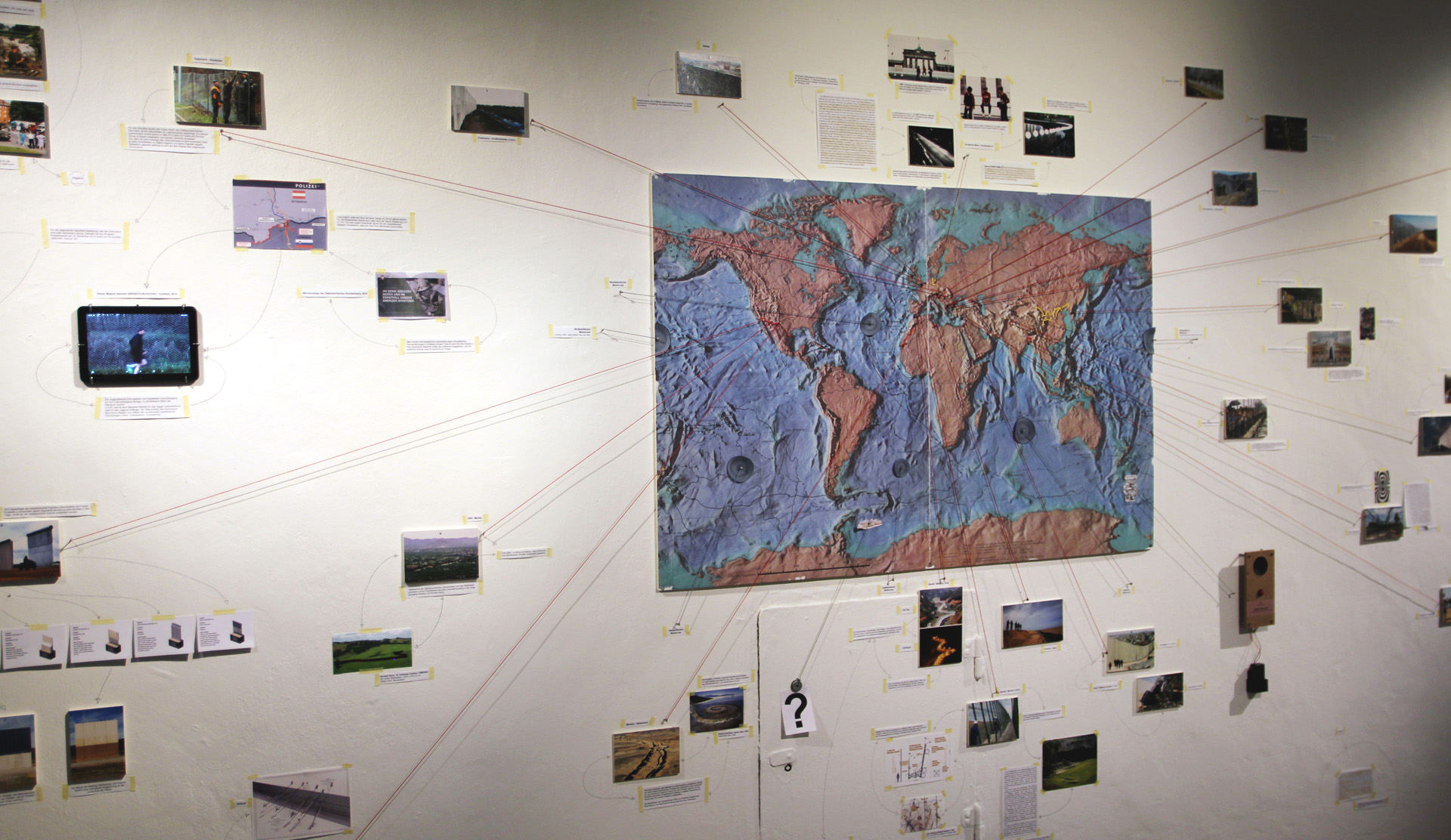
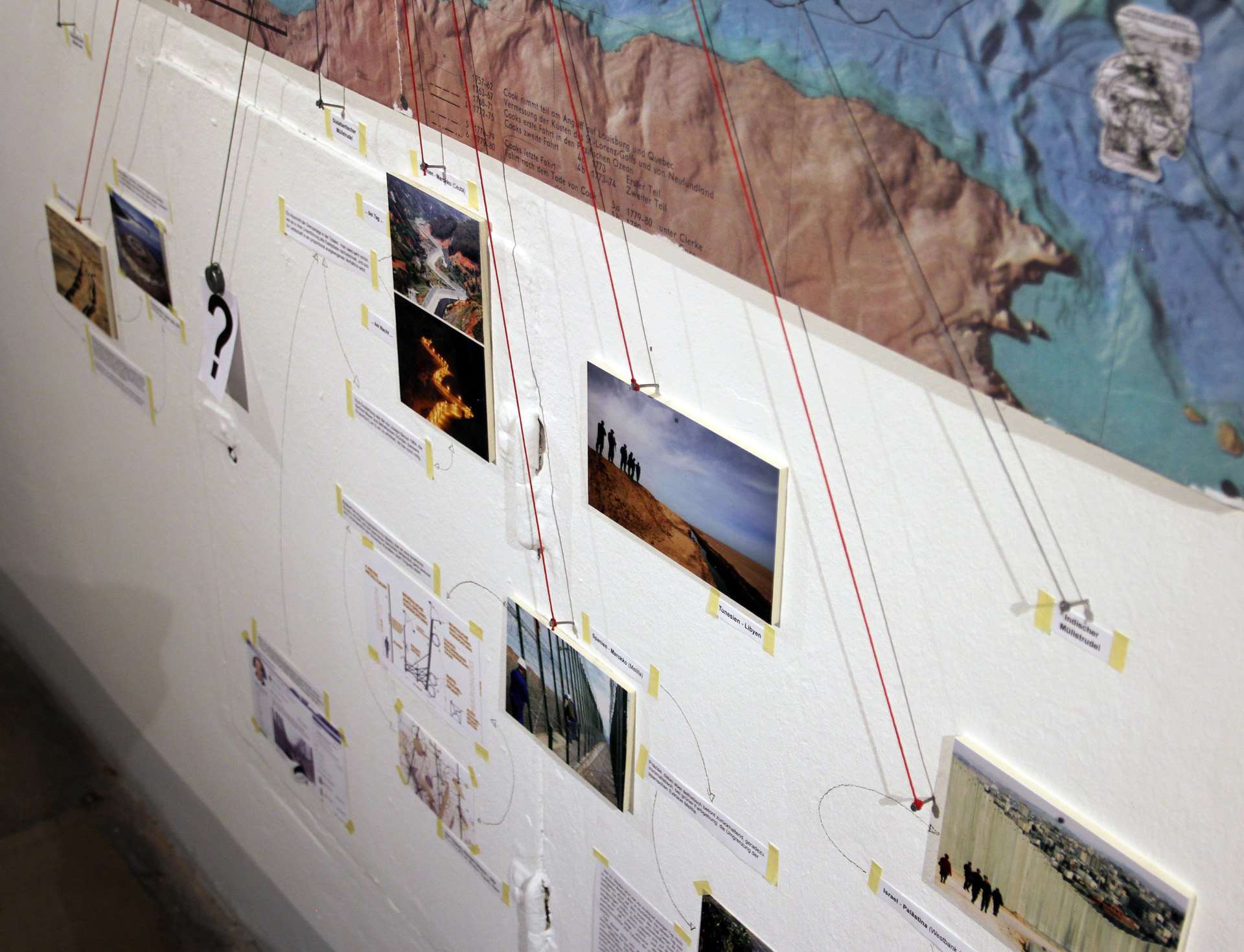
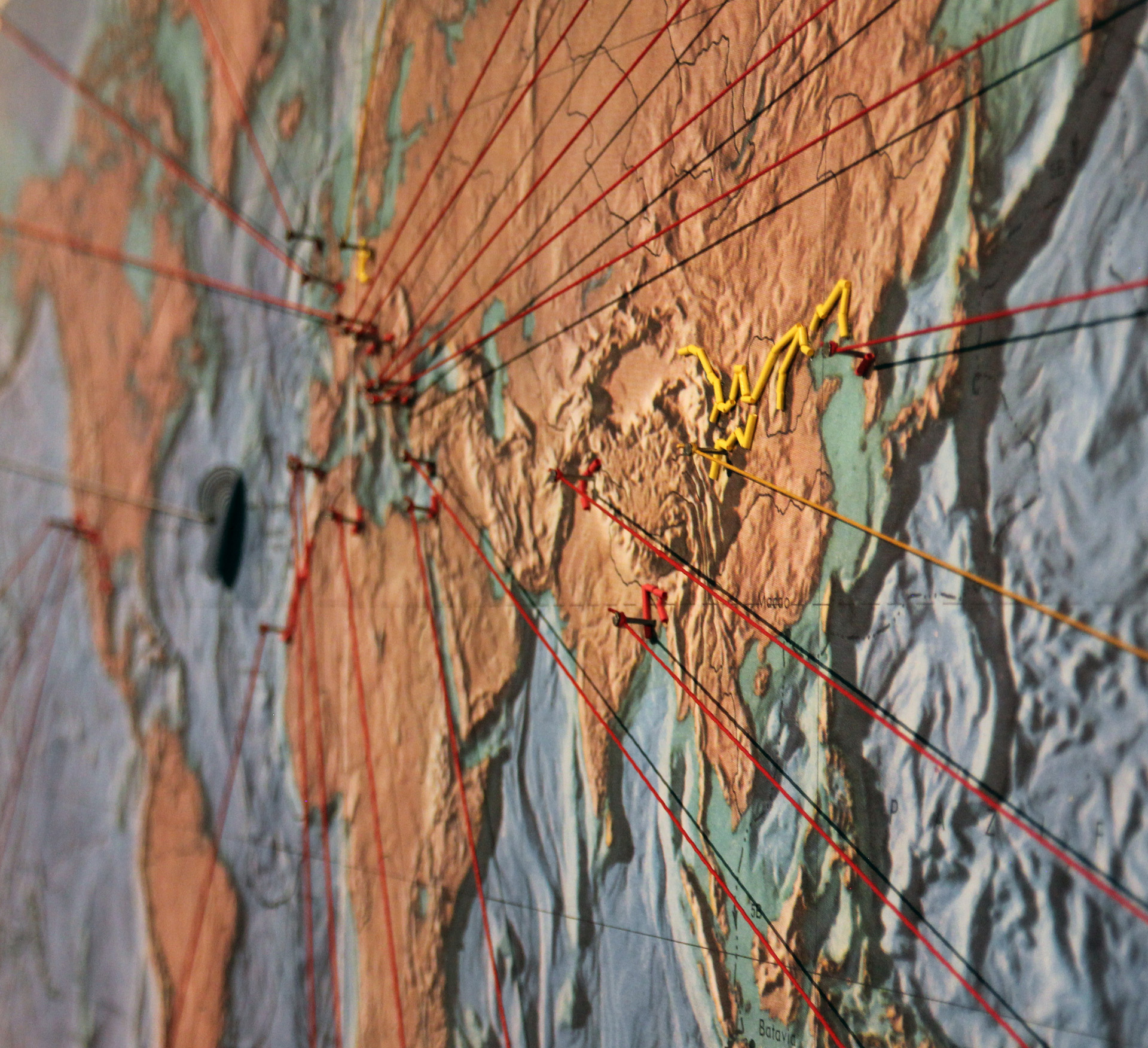

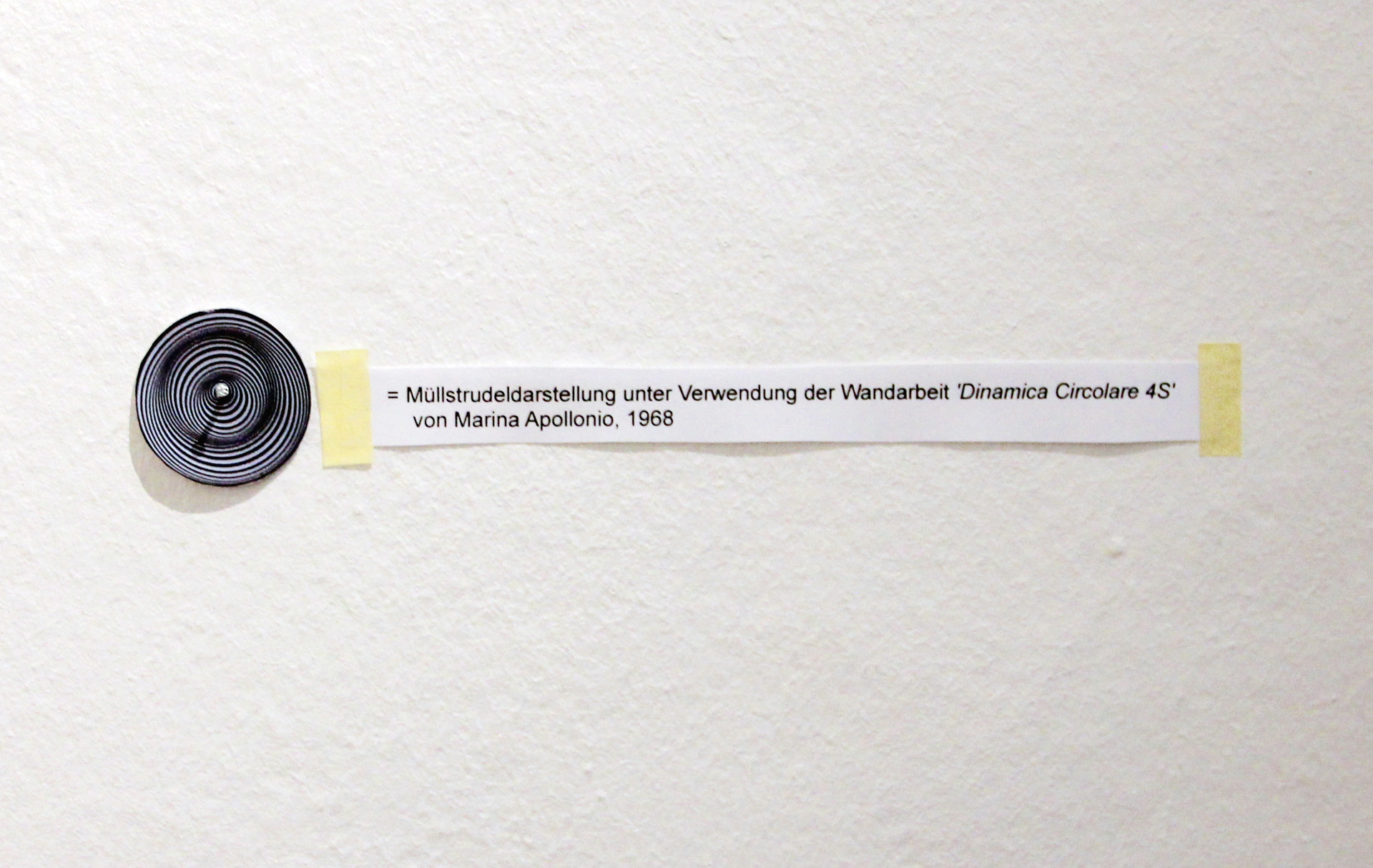
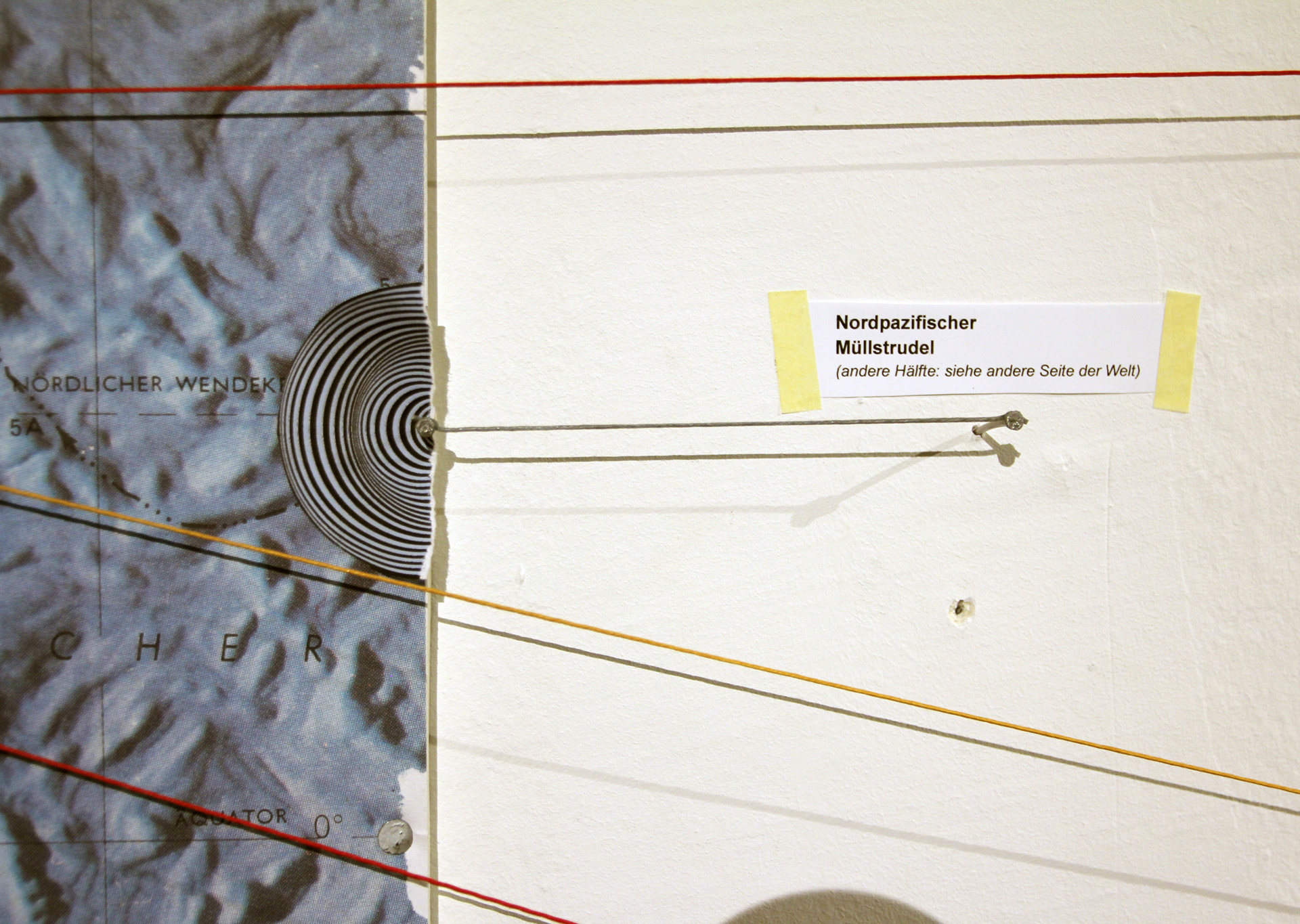
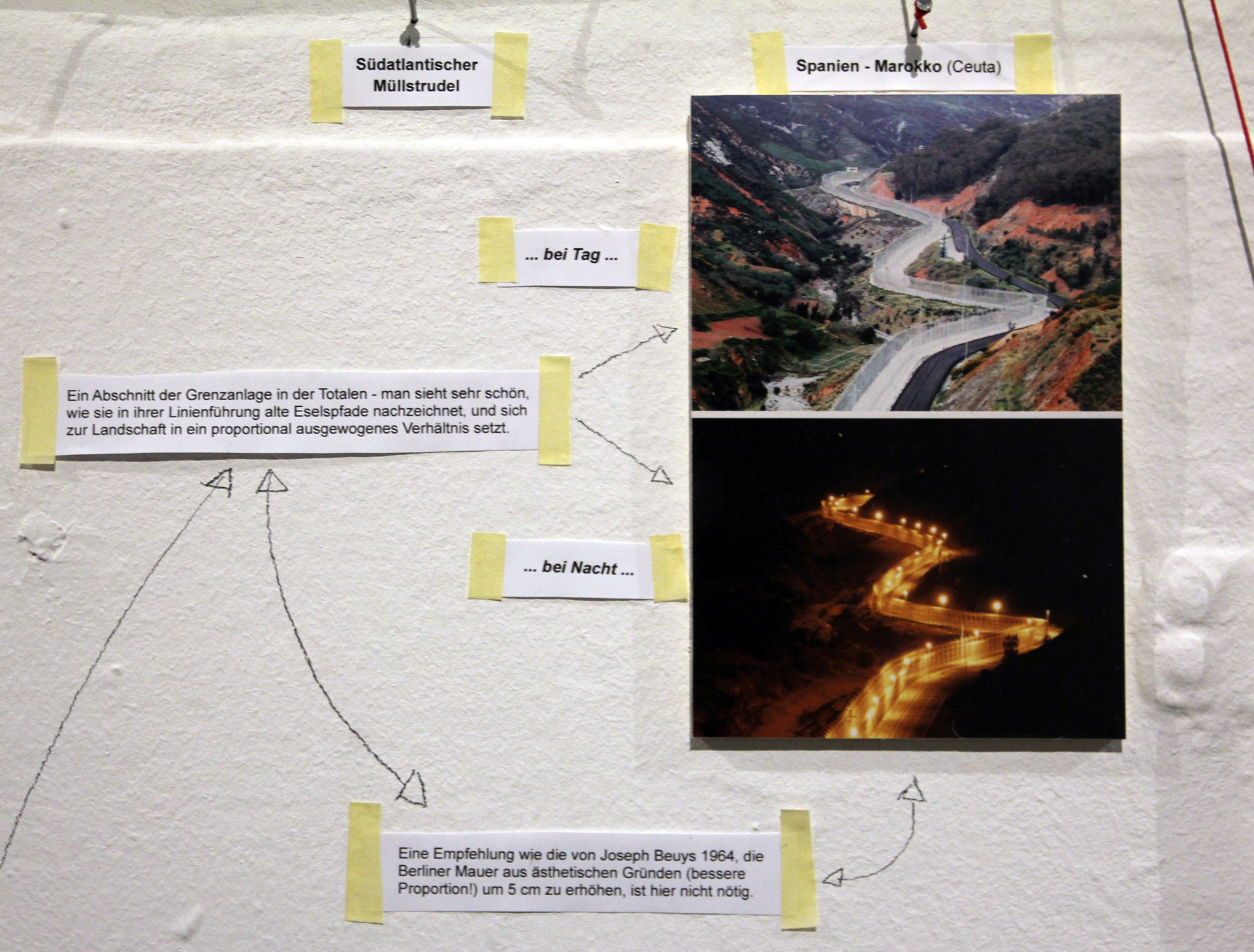
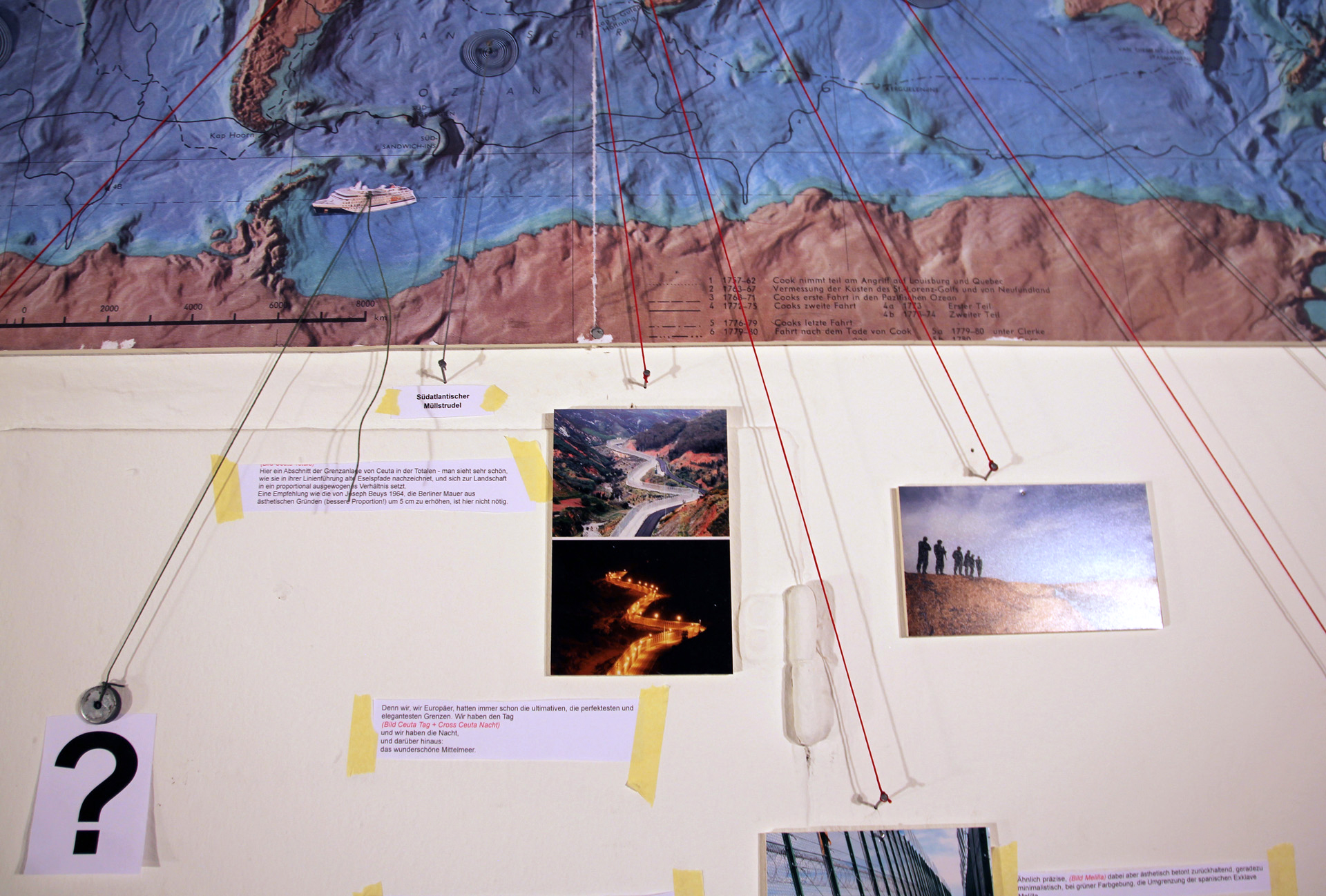
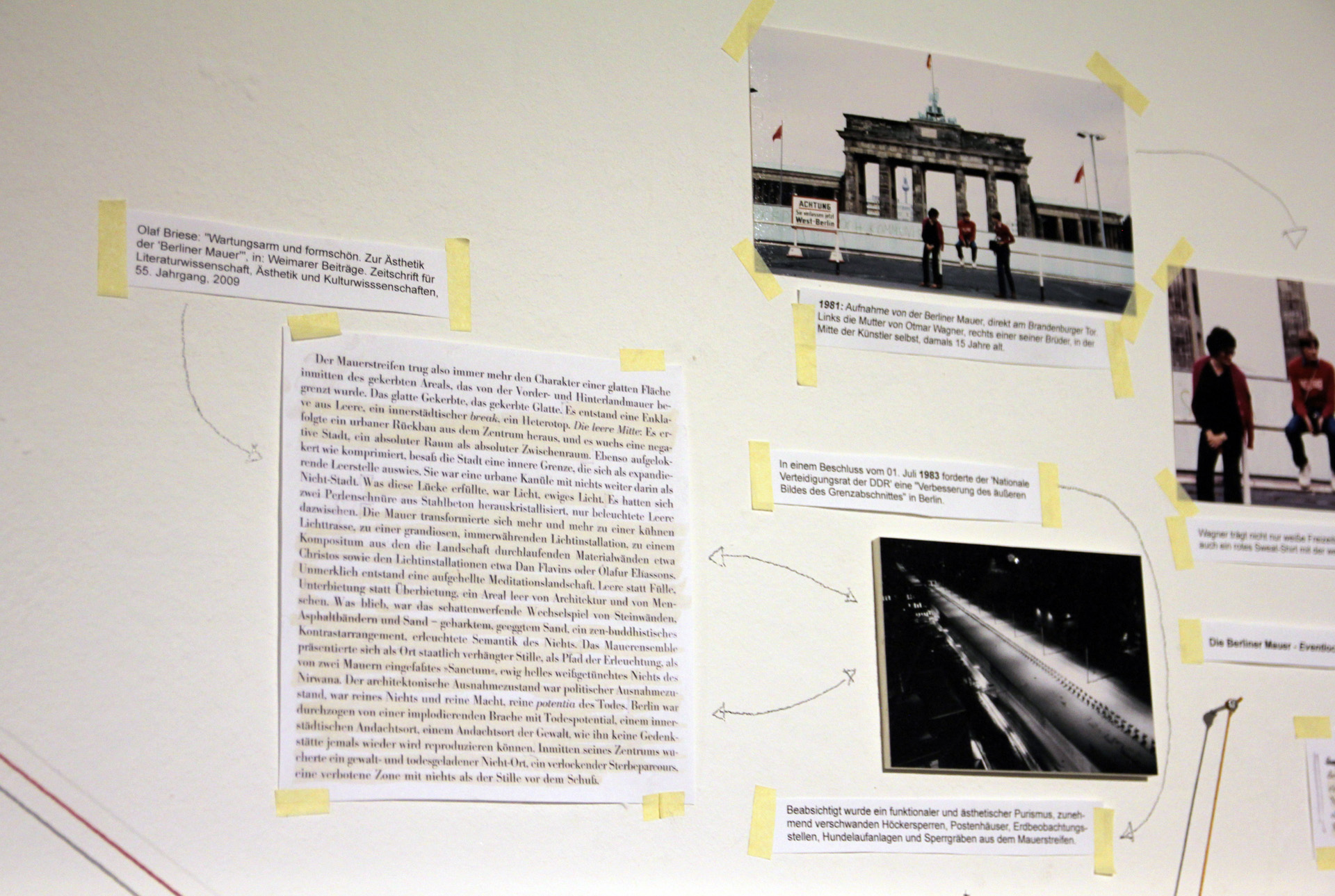
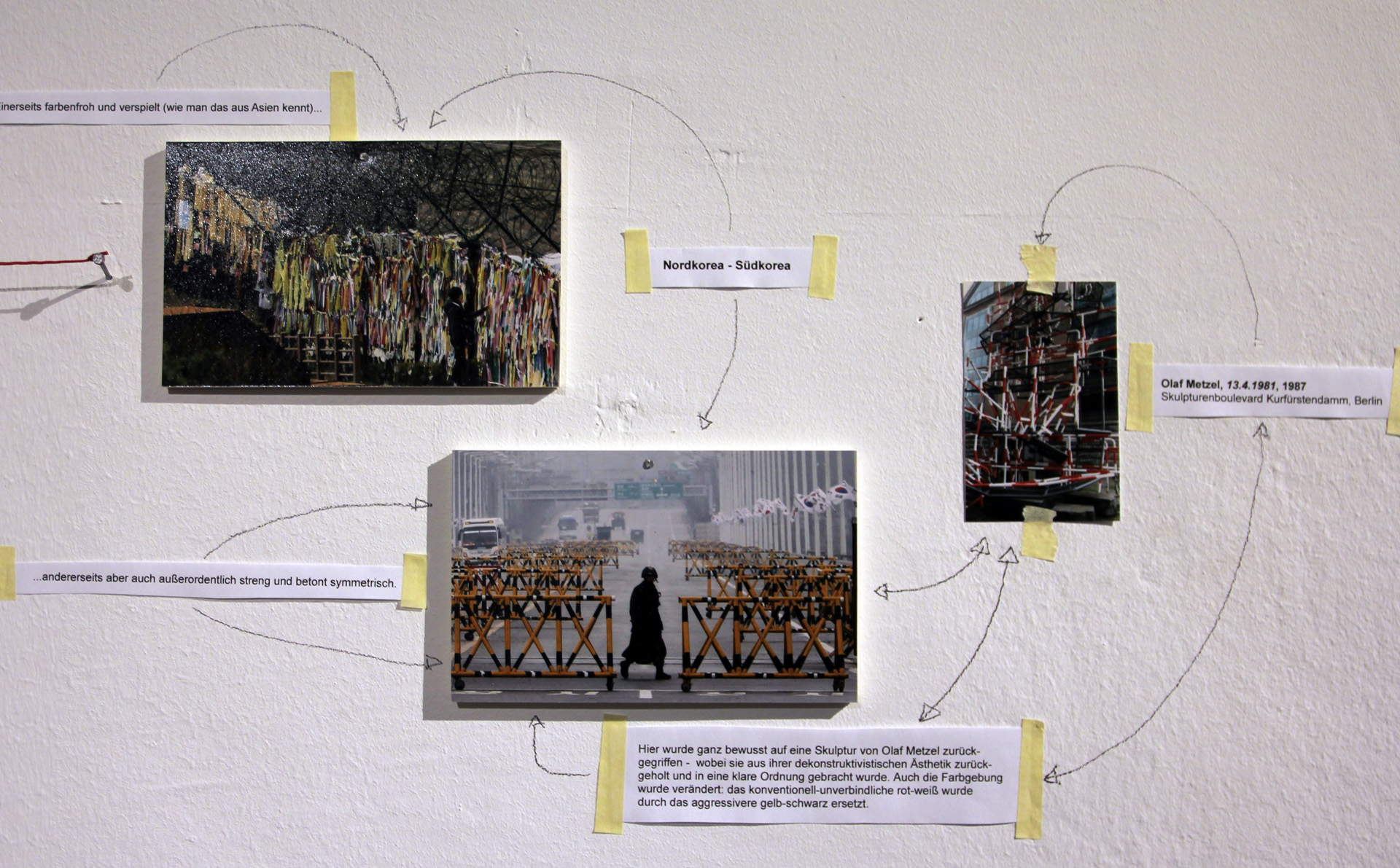
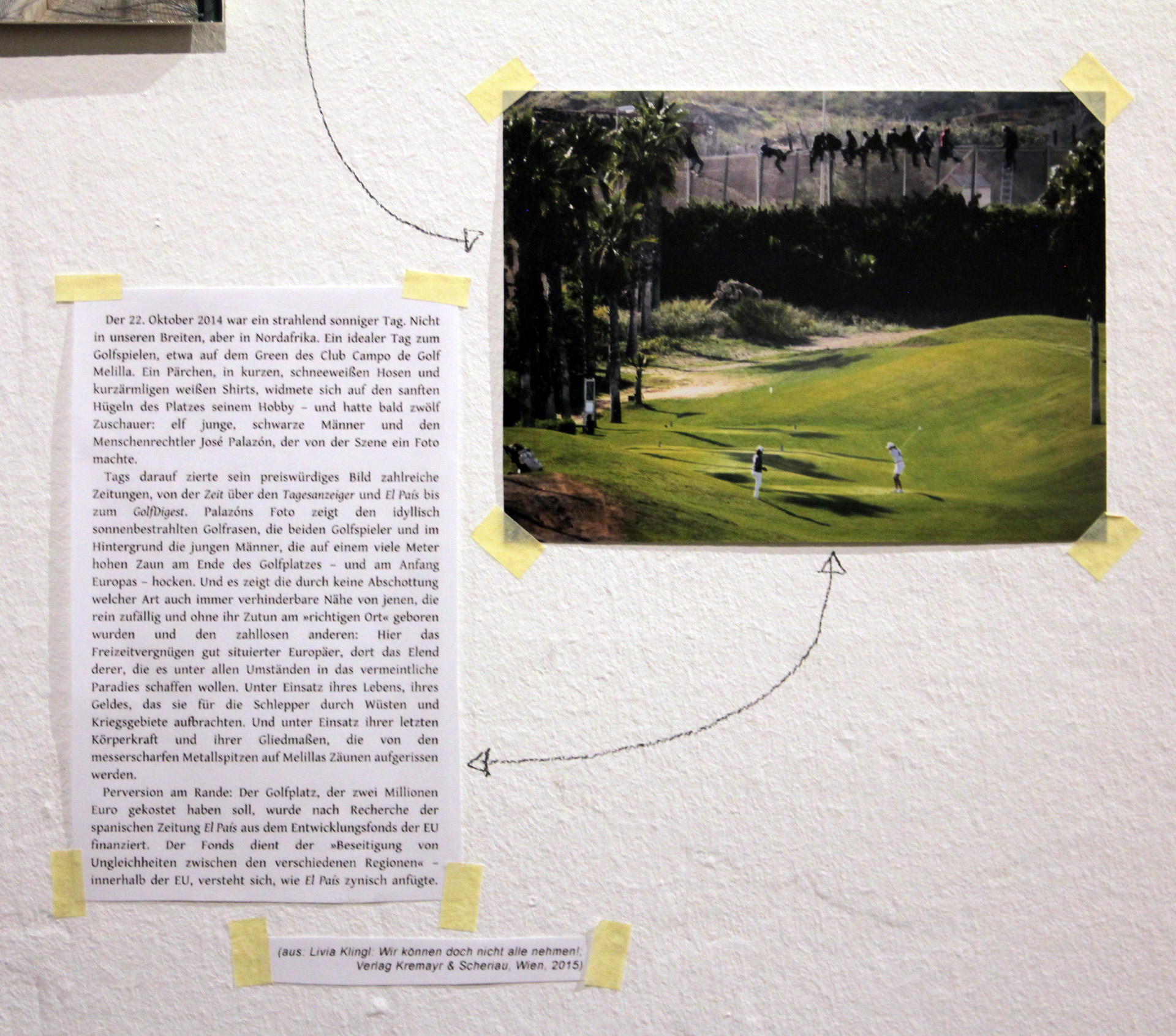
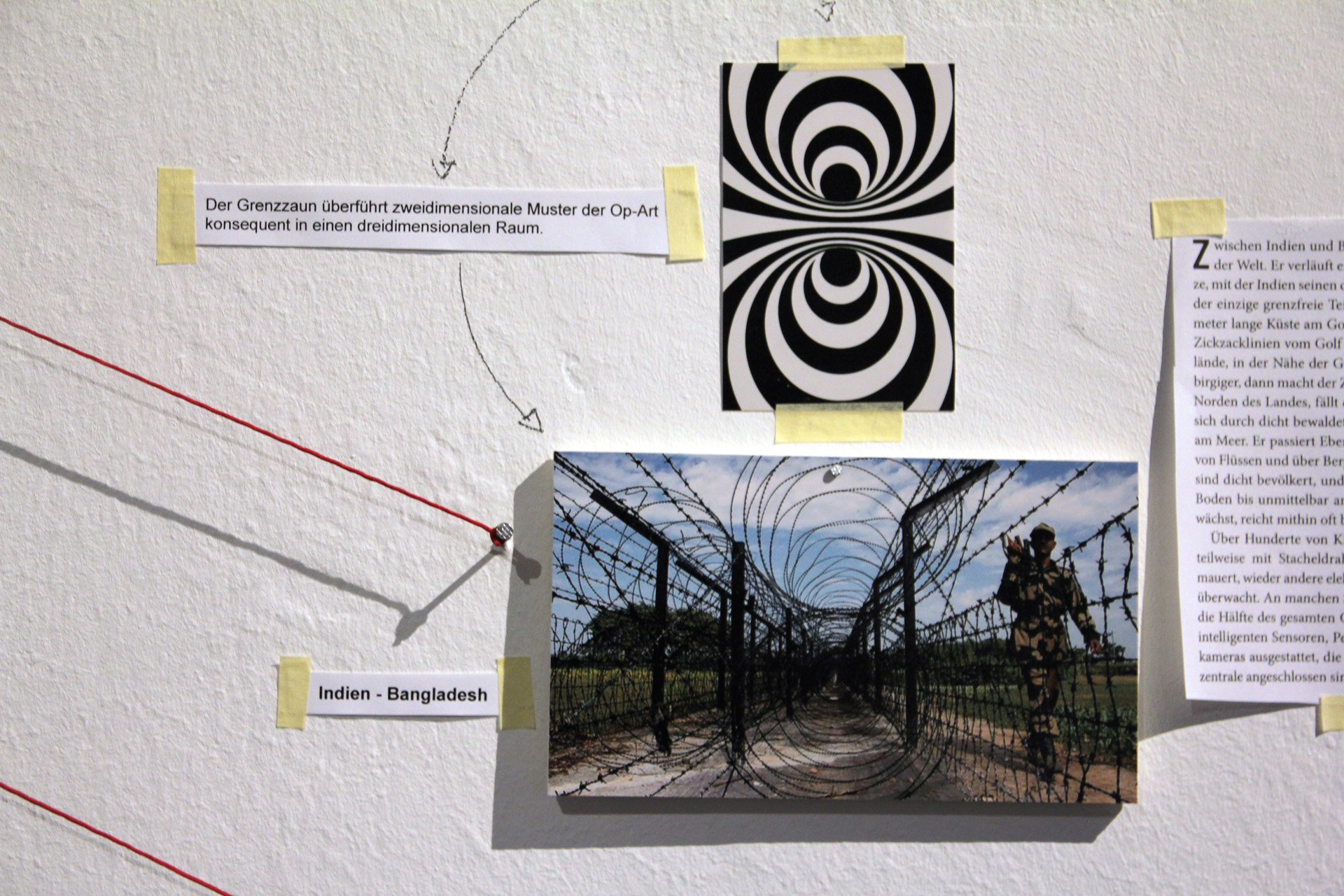
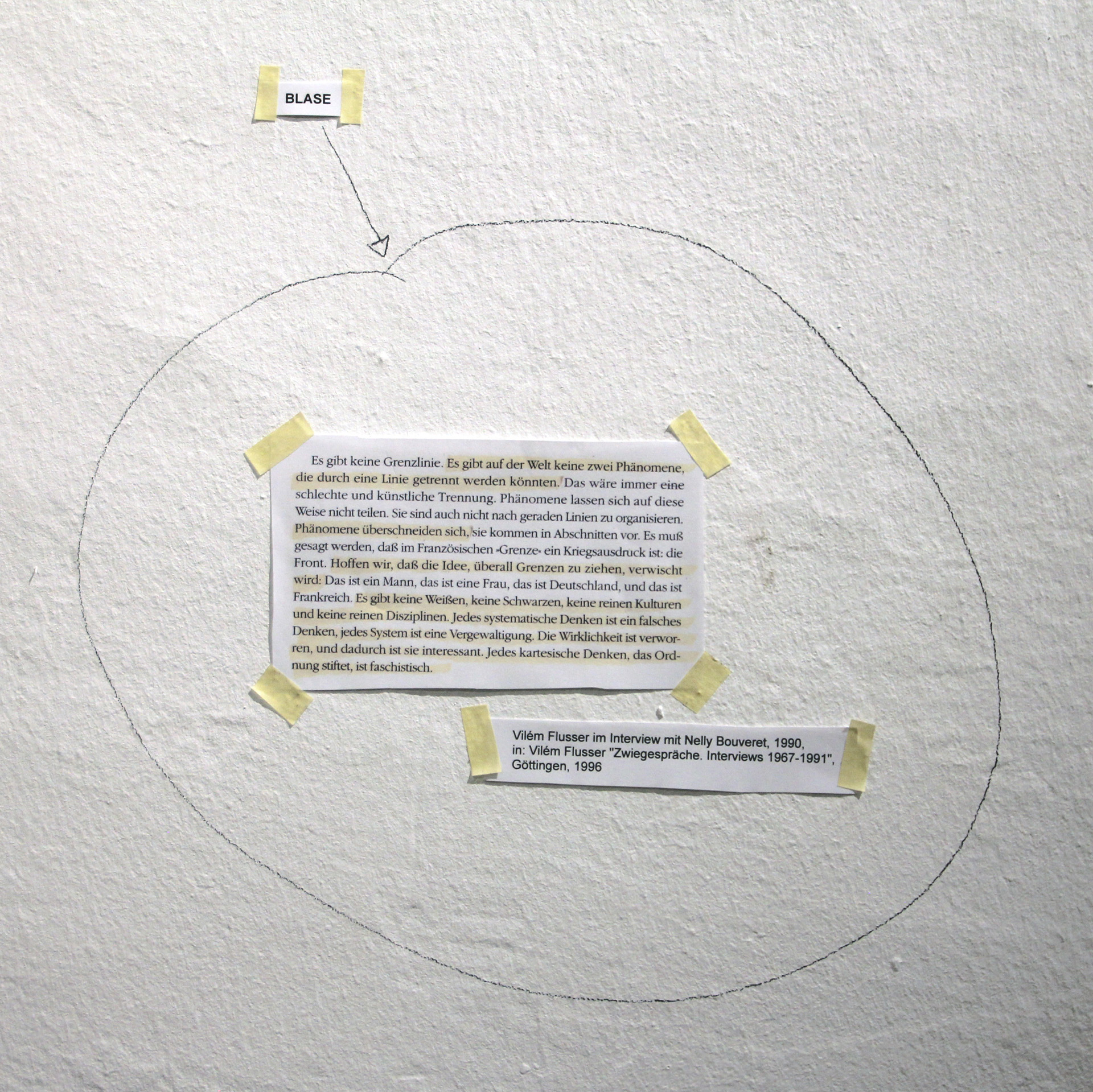
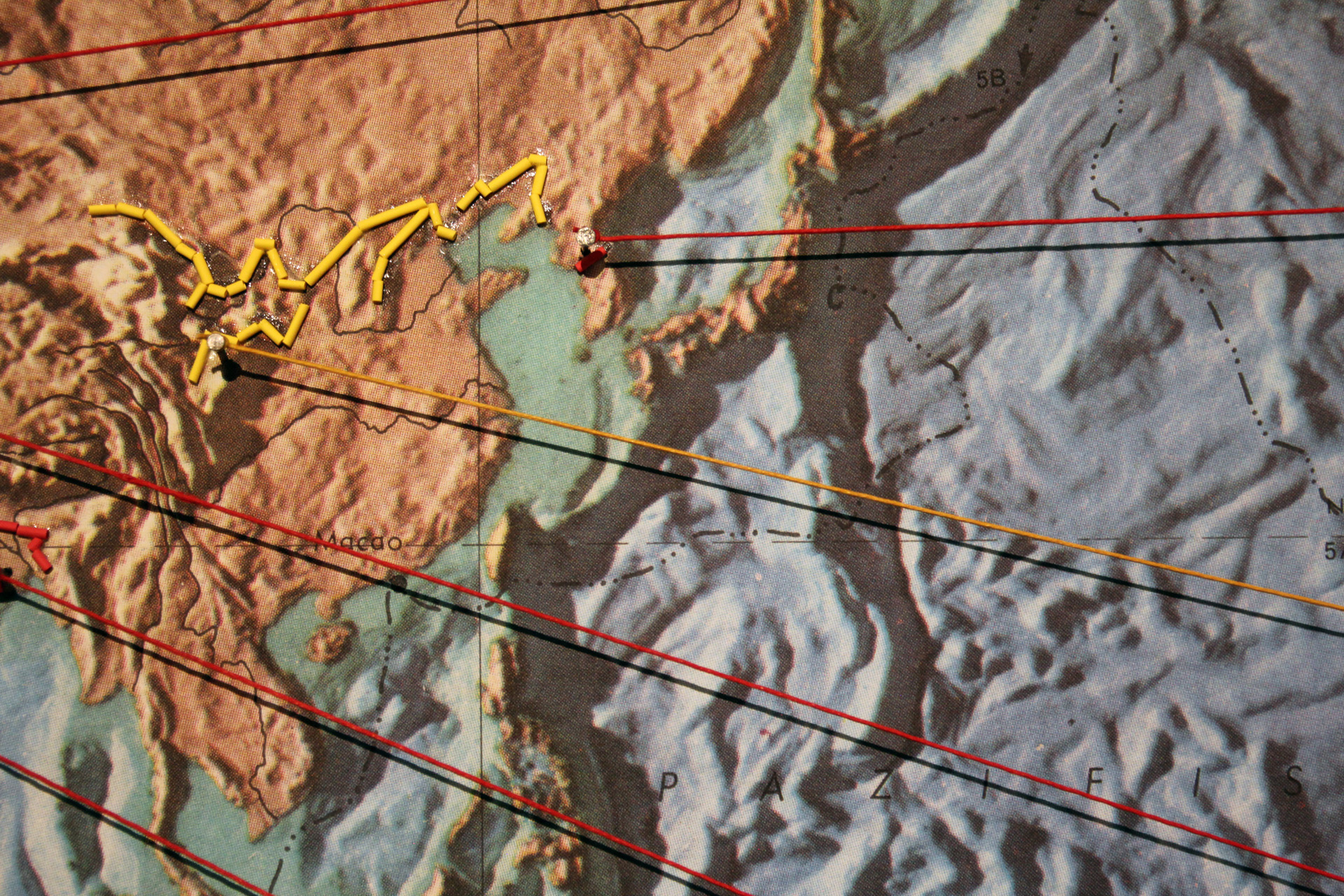
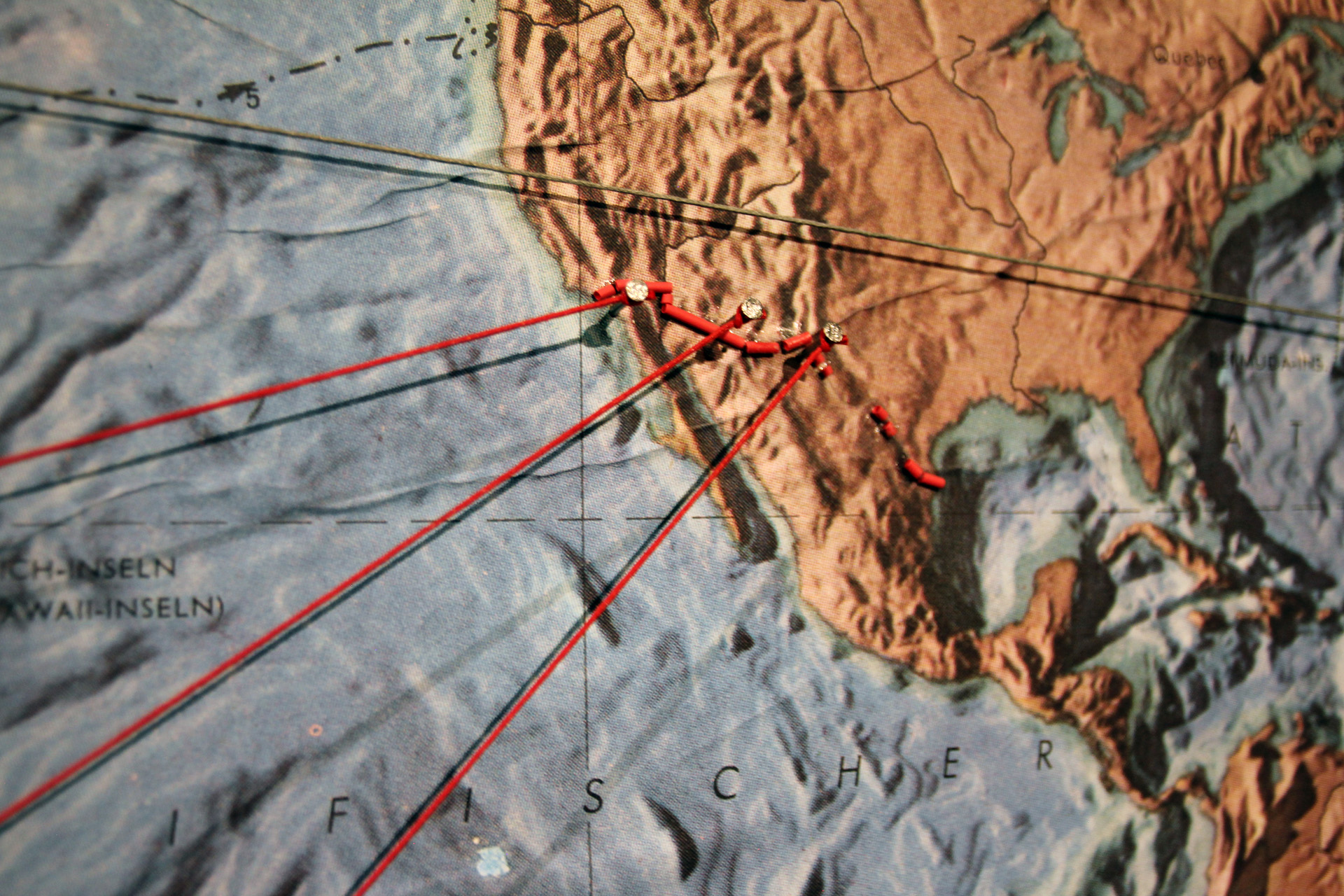
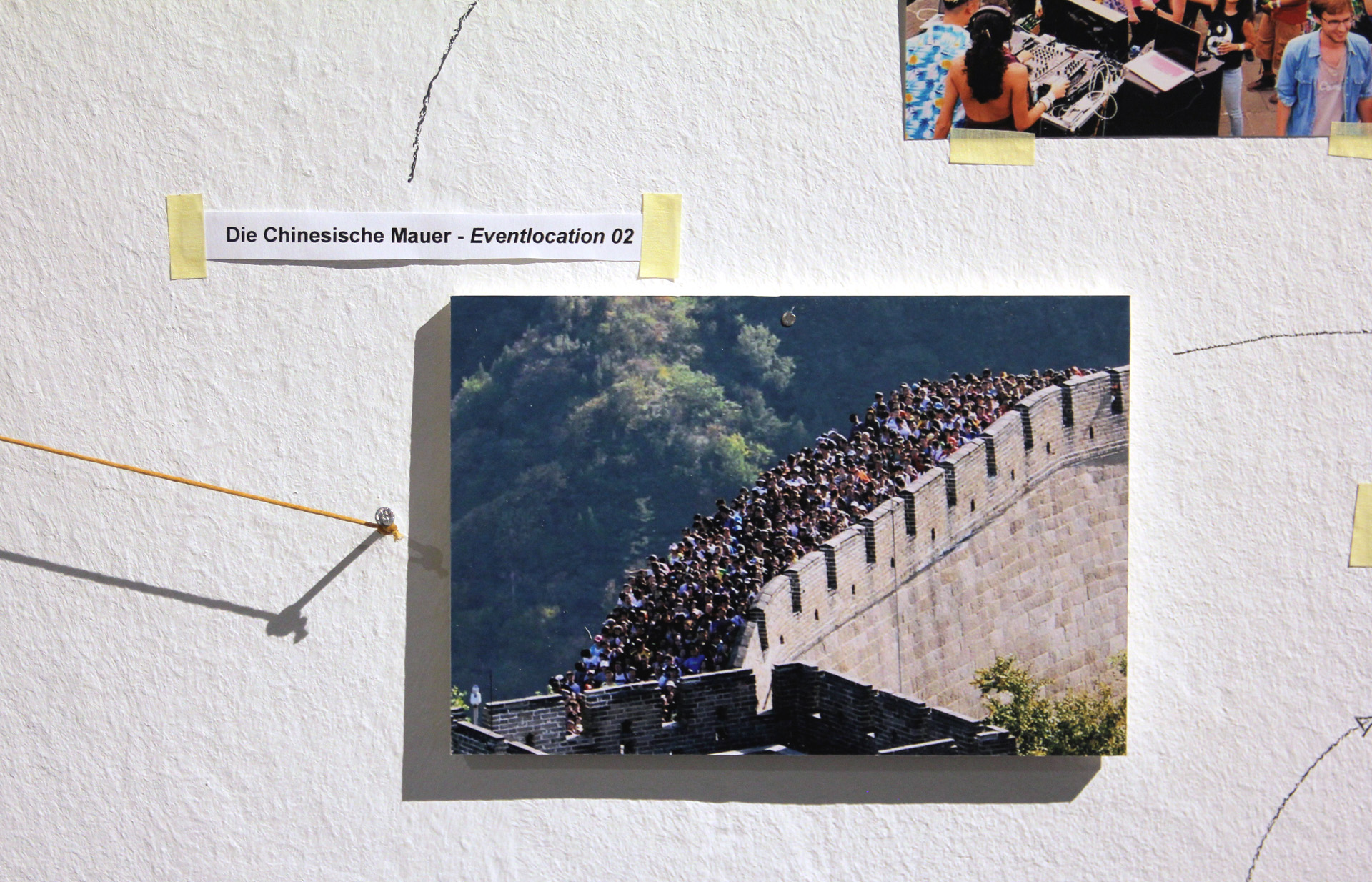
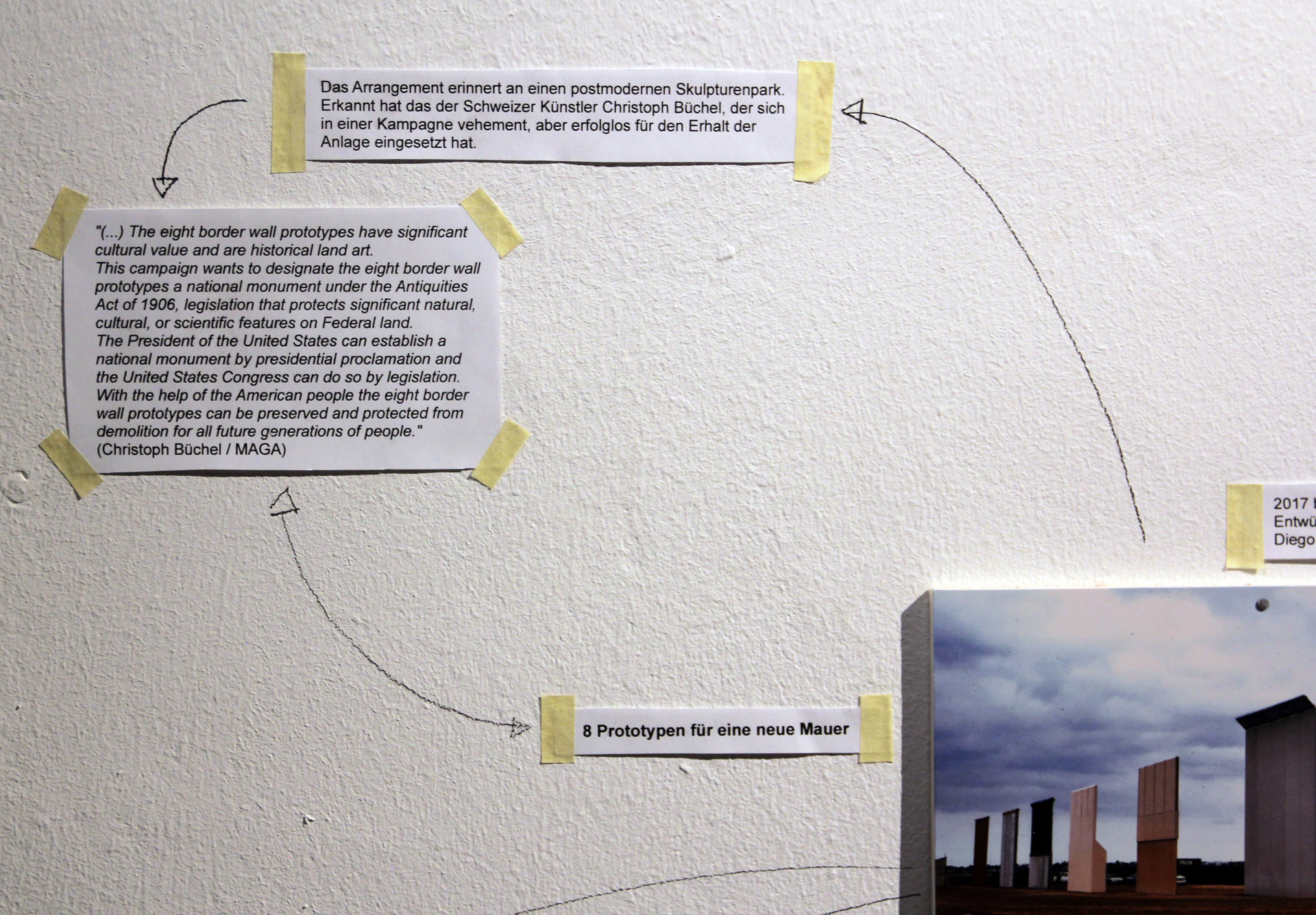
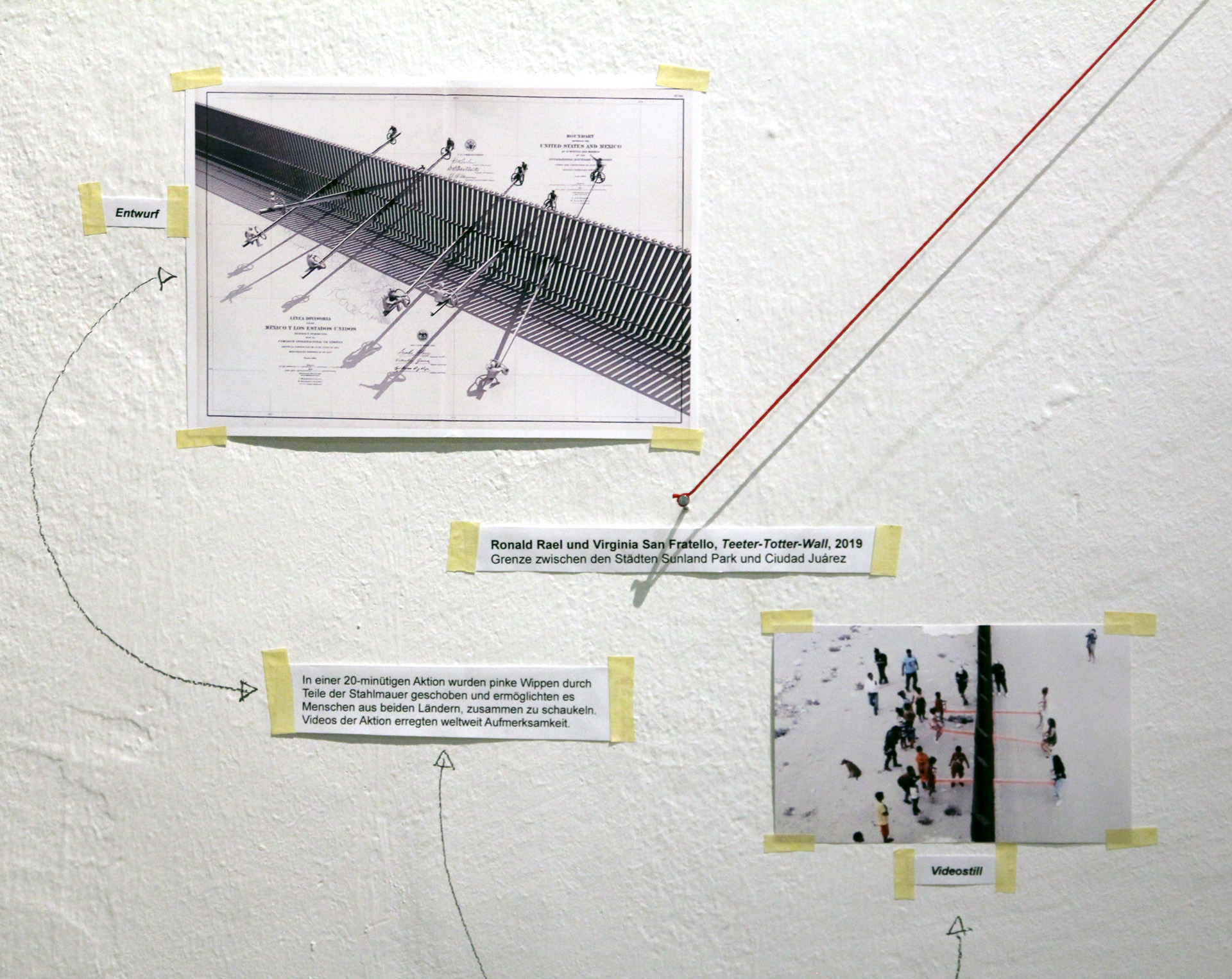
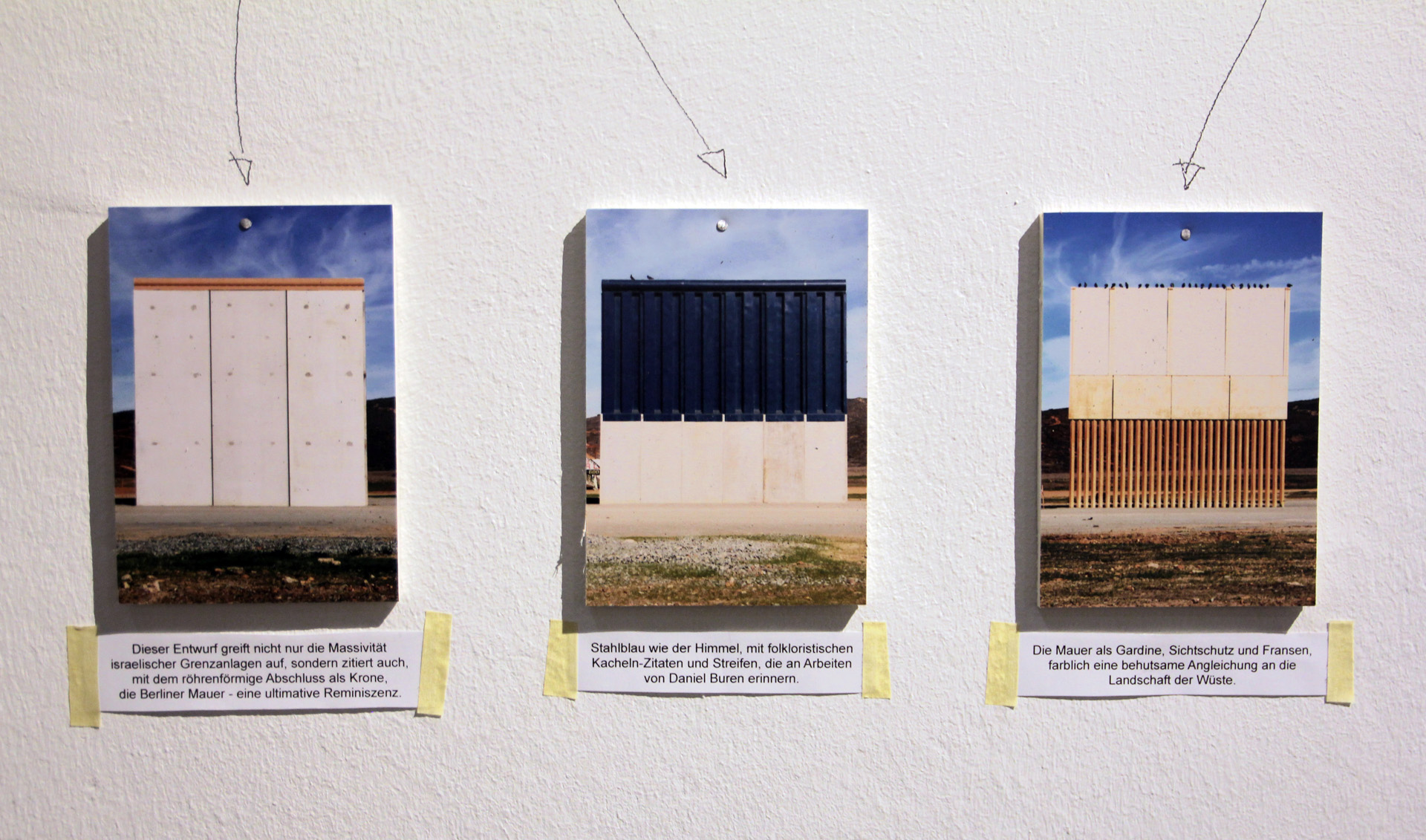
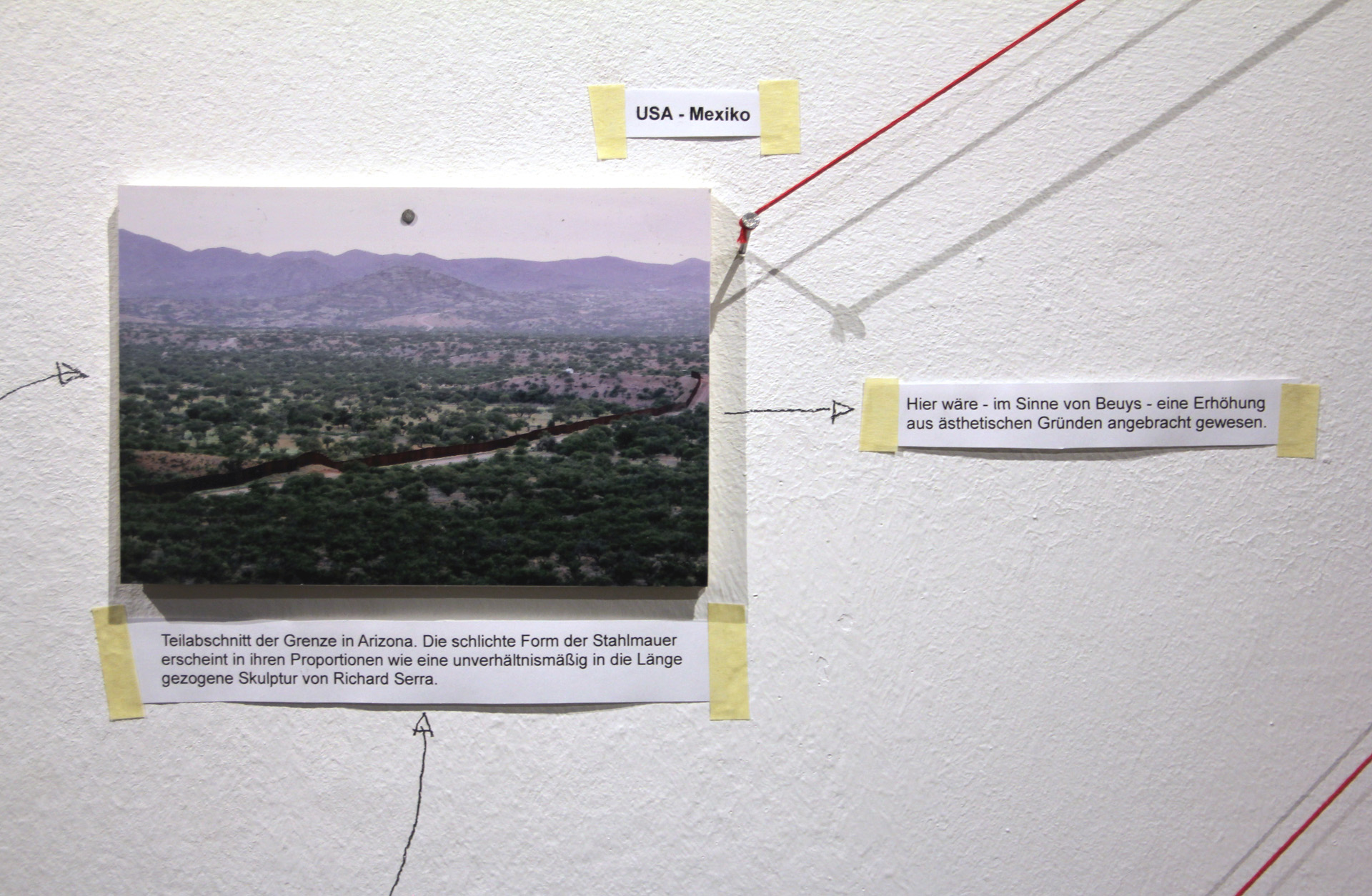
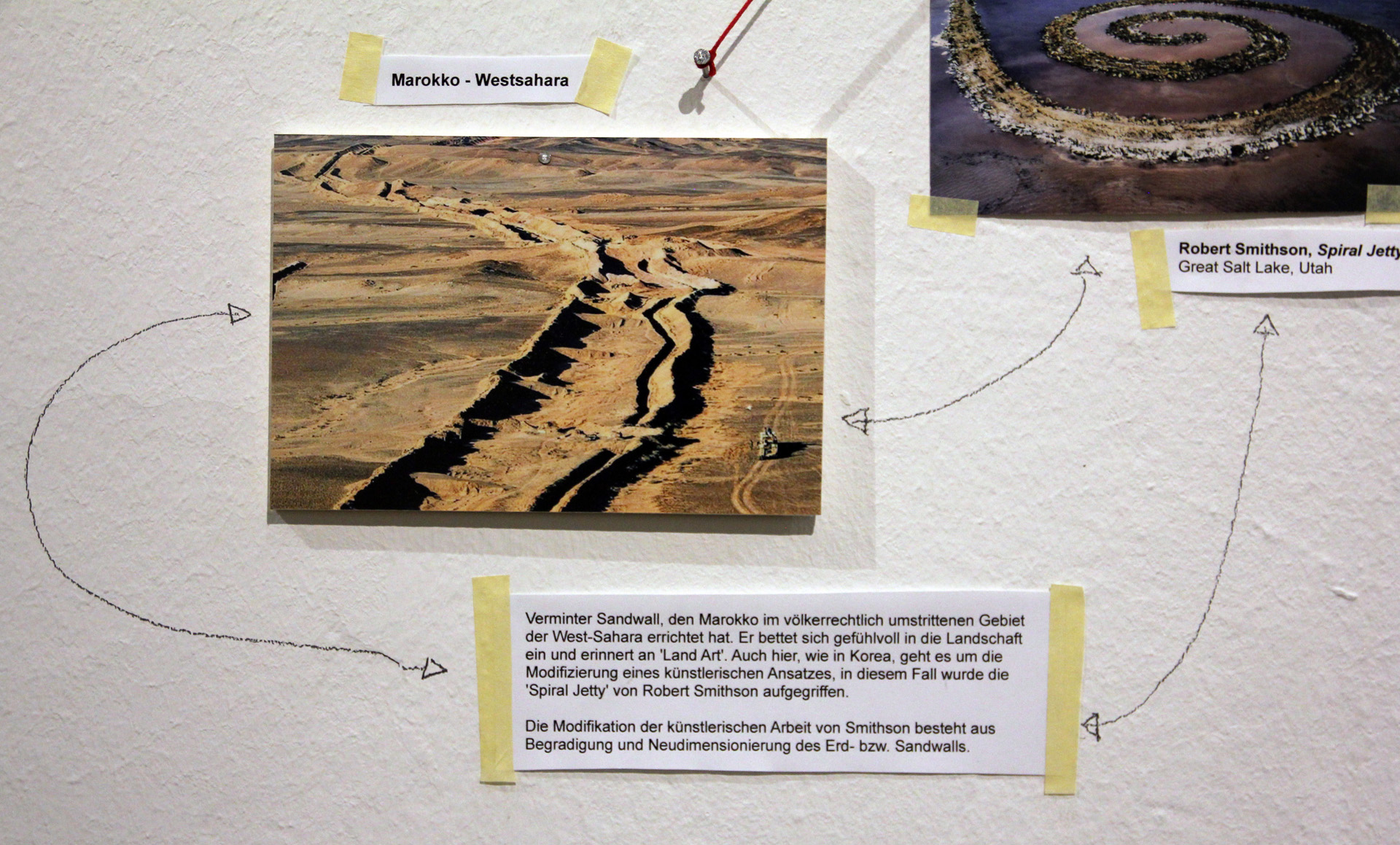
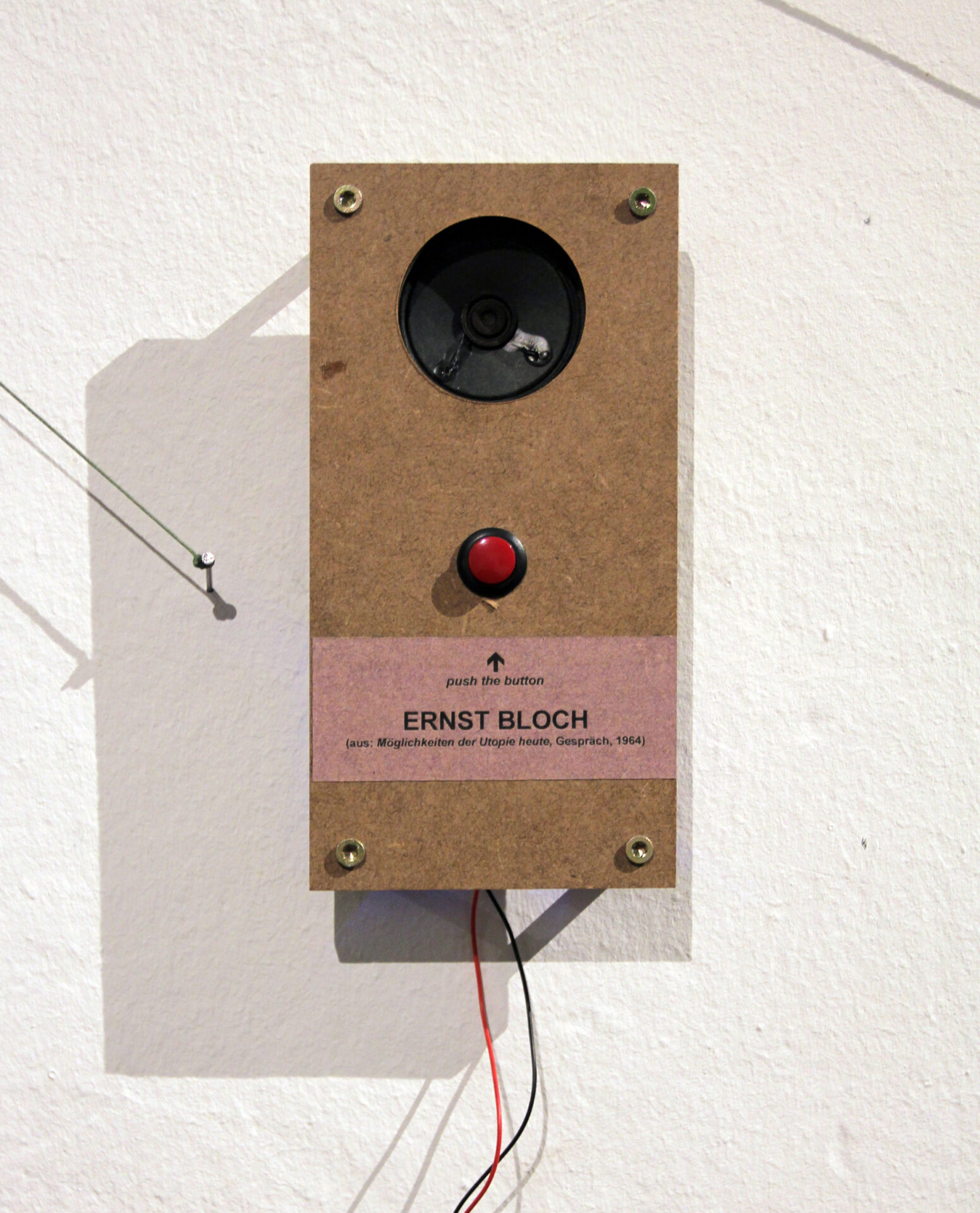
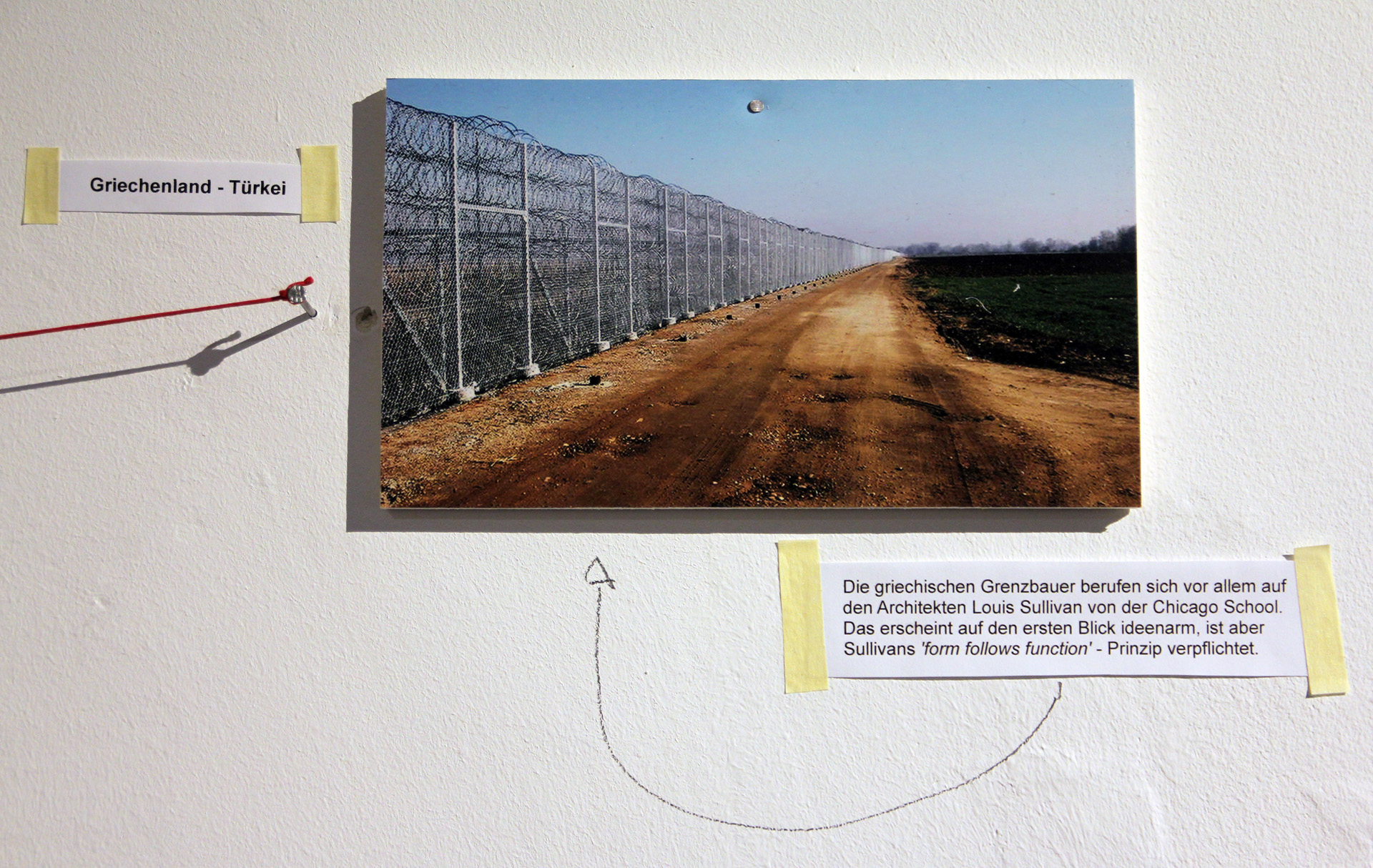
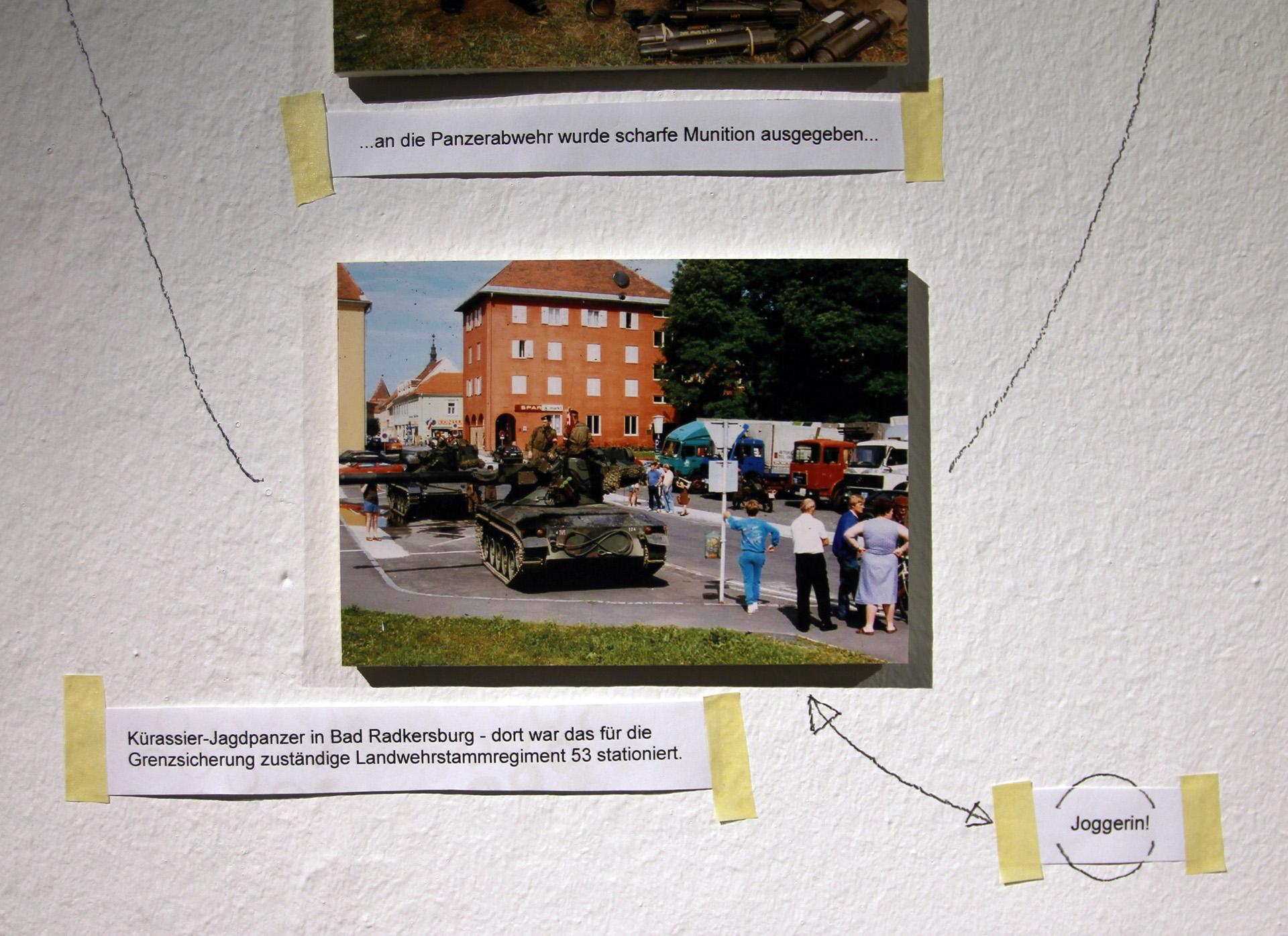

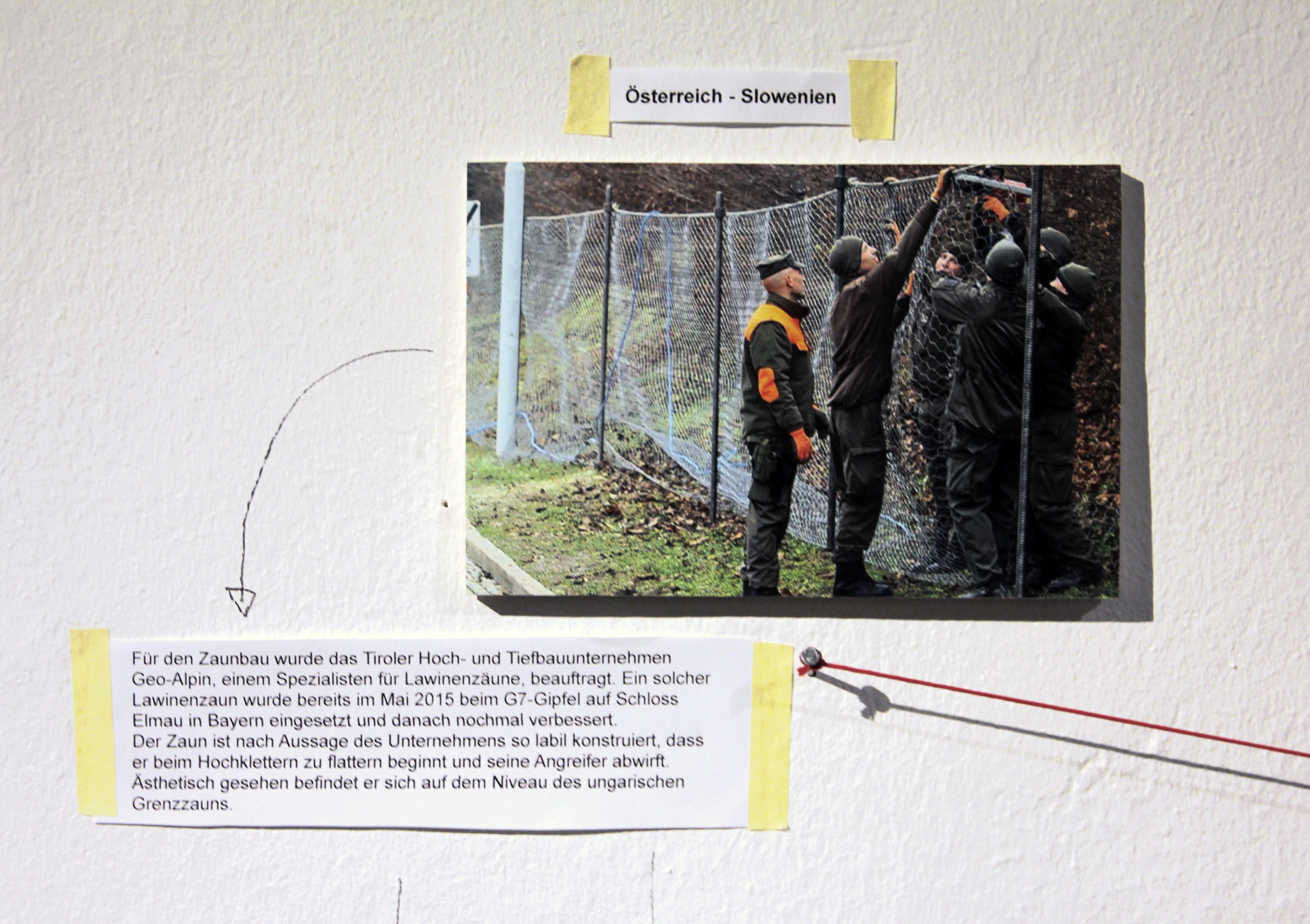

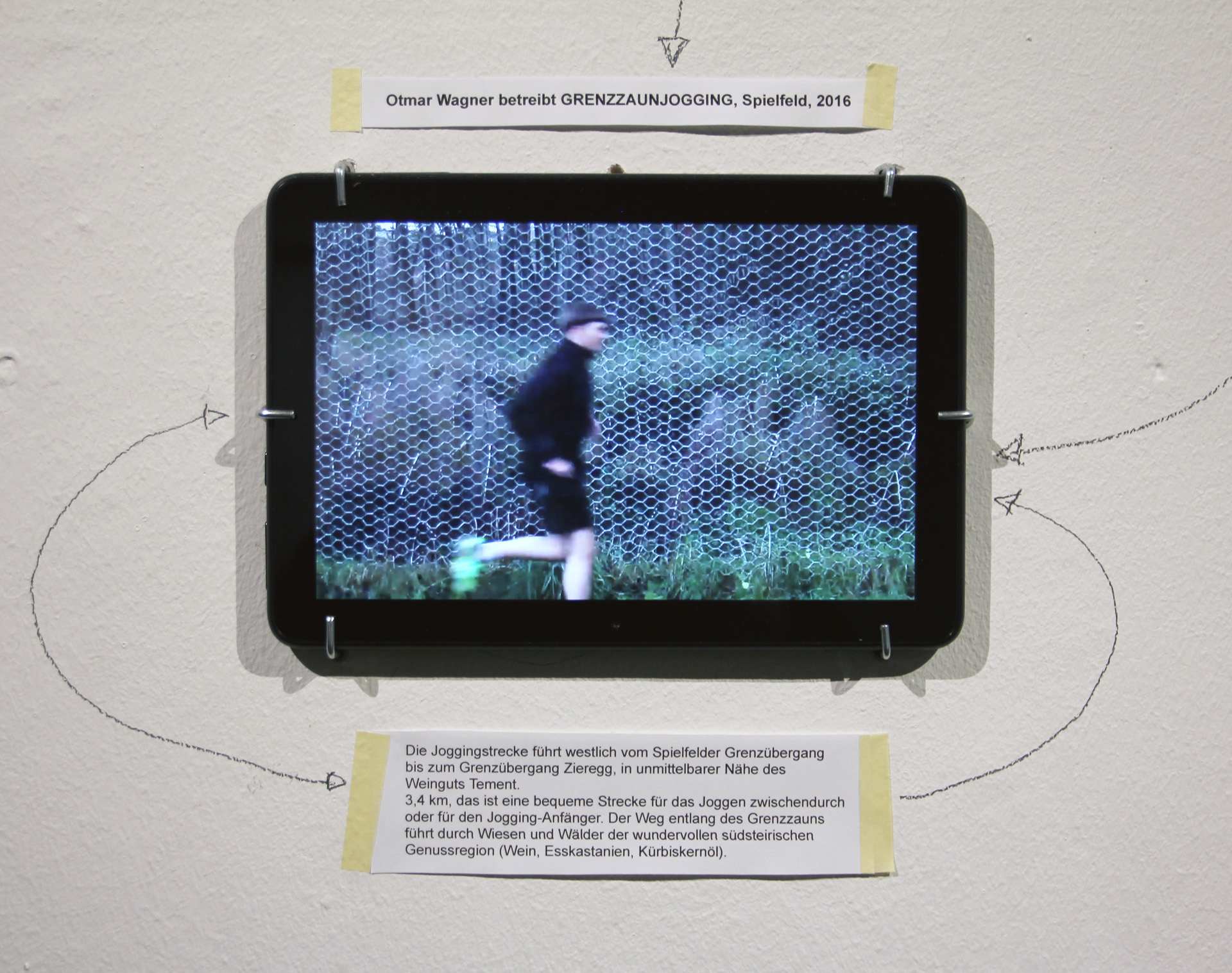
Photos: © Otmar Wagner
»When the wonderful artist and curator Osama Zatar asked me to contribute to the exhibition entitled ›NON DEGRADABLE‹, I thought: oh dear, yet another themed exhibition that ends up featuring politically correct and pretty artworks about plastic waste and oil spills. That’s why I initially placed a question mark after ›non degradable‹. I really liked that, because it took away the determinism of the phrase and opened it up in various directions – right up to an examination of personal mental constitutions: Are my stress, my aggression and my depression, as a privileged white-collar worker and functioning self-exploiter in capitalist meritocracy, degradable, and if so, how? Are prejudice, racism and neo-colonialism within me (as a heterosexual, white, ageing man) degradable, and if so, how? These are fascinating topics, but ones best left to therapy sessions.
I grew up in a very Catholic little village in the German border region between Bavaria, Hesse, and the former Electorate of Mainz, in the midst of the Cold War. My visits to and crossings of the border (in the Rhön Mountains, in Berlin) had a certain erotic appeal - because I was on the privileged side of the Wall. You might think that’s shitty, but that’s how it was. Since 1989, the dismantling of the German-German border fortifications, the number of walls and fences erected worldwide has increased roughly fourfold. The artistic treatment of the endless misery, horror, suffering, despair, pain, and death in and around the death strip always involves aestheticization and is therefore fundamentally cynical. And yet, despite Adorno's often quoted remark that ›to write a poem after Auschwitz is barbaric‹, poems continue to be written, operas continue to be sung, and pictures continue to be painted. Everything has an end, just the hope has none. With this work, I am exploring the no-man's-land between l’art pour l’art and political art.«
(Statement in the exhibition leaflet)